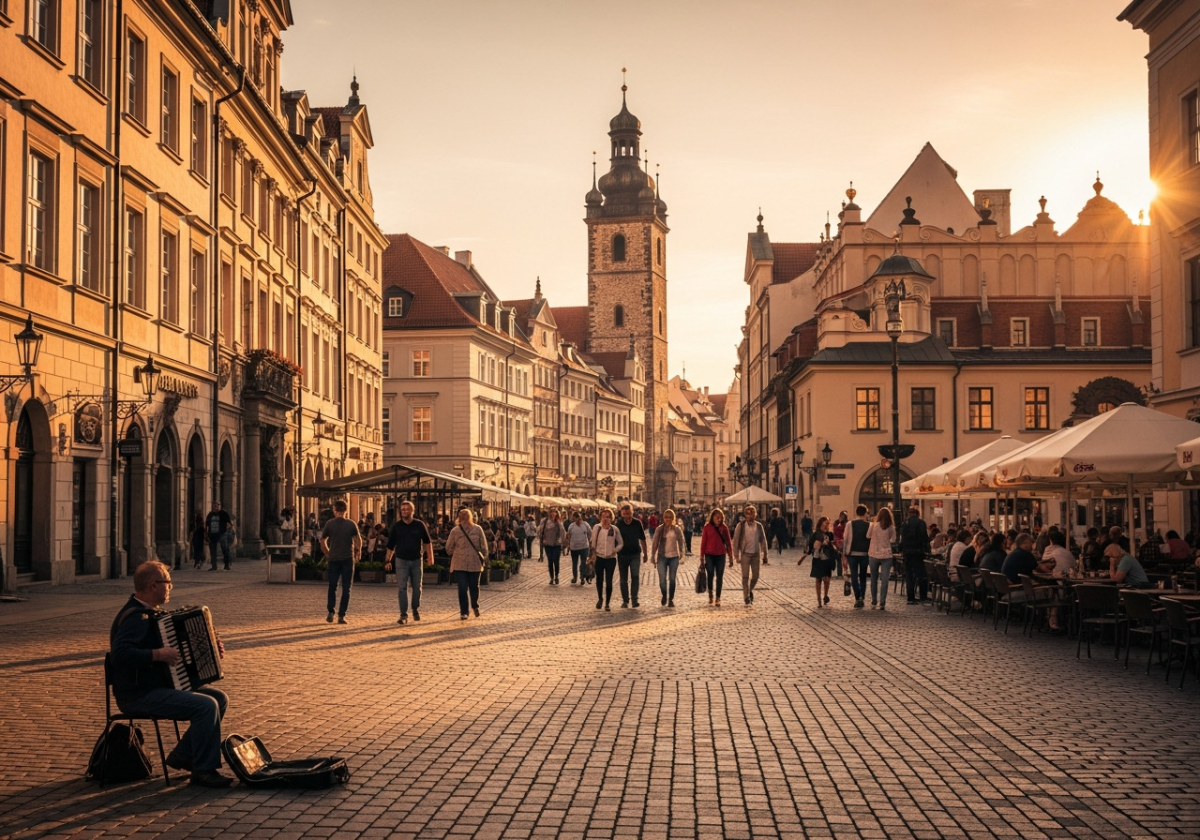
Getting high-quality the fairytale photographs Sintra is famous for while traveling on your own is practically impossible with a handheld phone or a mini tripod. Between Quinta da Regaleira's strict rules on bulky equipment, damp uneven stone pathways, unpredictable canopy lighting, and dense waves of international visitors, attempting self-portraits usually leads to frustration rather than timeless images. Solo travel allows you to explore at your own pace, but documenting your presence in such grand, vertical landscapes requires an understanding of perspective, lighting, and timing that a selfie stick simply cannot deliver.
Quinta da Regaleira presents technical hurdles no tripod can solve
The geography of Quinta da Regaleira is designed around steep ravines, mossy spirals, and dense subtropical foliage that constantly block natural sunlight. When you walk these grounds, you move between pitch-black underground tunnels and intensely bright forest clearings within seconds. A phone camera balanced on a rock or a portable tripod struggles to balance these extreme exposure differences, usually leaving you with a blown-out white sky or an underexposed silhouette where your face is lost in the shadows.
Logistically, setting up personal camera stands in the most scenic corners of the estate is rarely feasible. The narrow spiral staircases, damp limestone borders, and constantly moving pedestrian flow mean you have mere seconds before someone walks into your frame or asks you to clear the passage. Security staff actively discourage static setups on narrow tracks to keep foot traffic moving, especially near the subterranean towers and water portals. Navigating this environment alone while constantly running back and forth to check a timer disrupts the entire experience of exploring Sintra's quiet, mystical architecture.
[IMAGE_PLACEHOLDER: "A solitary traveler wearing an earth-toned trench coat walking along an ancient moss-covered stone staircase surrounded by tall, damp ferns and dense woodland, captured in soft diffused morning mist."]Strangers take quick snapshots instead of composed portraits
Every solo traveler has handed their phone to a well-meaning tourist, only to receive a crooked photo with your feet awkwardly cut off and a crowd of strangers dominating the background. A passerby naturally wants to return your phone as quickly as possible; they do not look at how the light hits your cheekbones, whether your posture looks tense, or if a bright red tourist backpack is lingering right behind your shoulder. They capture a snapshot that proves you stood in front of an ancient arch, but they do not capture the atmosphere of the journey.
Good portraiture requires patience and clear communication. When you work with someone who understands body language and camera distance, you do not have to perform for the lens or hold a stiff grin. On my individual portrait sessions, I direct clients through gentle, continuous movement – walking down an ancient flight of steps, turning toward the sound of water, or simply adjusting a coat collar – so the frame feels completely unforced and organic. That level of attentiveness cannot be expected from a stranger trying to catch their own tour bus.
Scale and architectural depth require deliberate distance
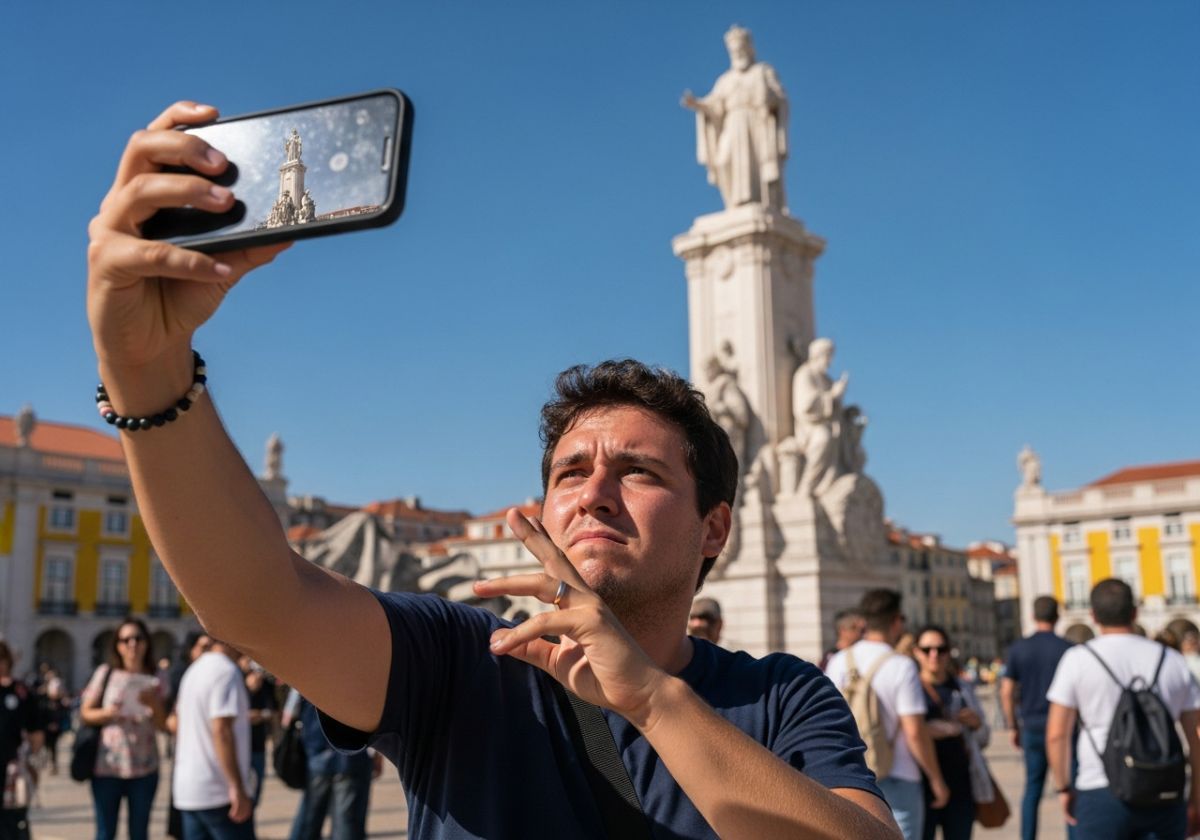
Sintra's estates were built on a colossal scale, featuring towering Australian tree ferns, gothic balustrades, and dramatic rock formations that dwarf human figures. To create images with depth, the camera must be placed dozens of paces away from you, utilizing a lens that compresses the background while keeping you sharp and central to the composition. Self-timers fail here because the physical distance required to frame the sheer height of the stone portals is too far for Bluetooth triggers or phone sensors to register reliably.
I frequently position my clients deep within an architectural frame, letting the surrounding greenery and textured stone tell the story of scale. This approach turns a portrait into environmental storytelling, ensuring you look like an intentional part of the landscape rather than someone pasted onto a postcard. As a dedicated professional Lisbon photographer, I know exactly which pathways offer clear visual sightlines where we can capture this grand scale without having tour groups cluttering the periphery of your shot.
[IMAGE_PLACEHOLDER: "A close-up portrait of a person leaning against aged, textured gothic stonework with delicate creeping ivy, illuminated by soft filtered forest light highlighting genuine, quiet facial expressions."]Microclimates dictate the visual mood of your gallery
The weather in Sintra rarely matches the sunny forecasts of downtown Lisbon. The Atlantic moisture sweeping over the Serra de Sintra traps low clouds against the hills, often wrapping the palaces in a thick blanket of fog while the coast just ten miles away remains completely clear. This mist is an extraordinary visual asset, softening harsh shadows and providing a cinematic, fairytale atmosphere that cannot be replicated in post-processing.
Understanding when the mist will hold and when the midday sun will burn through the forest canopy changes how a shoot must be mapped out. Morning visits around 09:30 or 10:00 give you the quietest pathways before tourist coaches arrive from Lisbon, alongside the softest atmospheric light. Planning an itinerary as part of a sensible Sintra solo travel guide means knowing which courtyards handle direct midday sun gracefully and which forested paths require the moody, overcast conditions typical of early autumn and winter mornings.
Weighing the cost against the value of your time
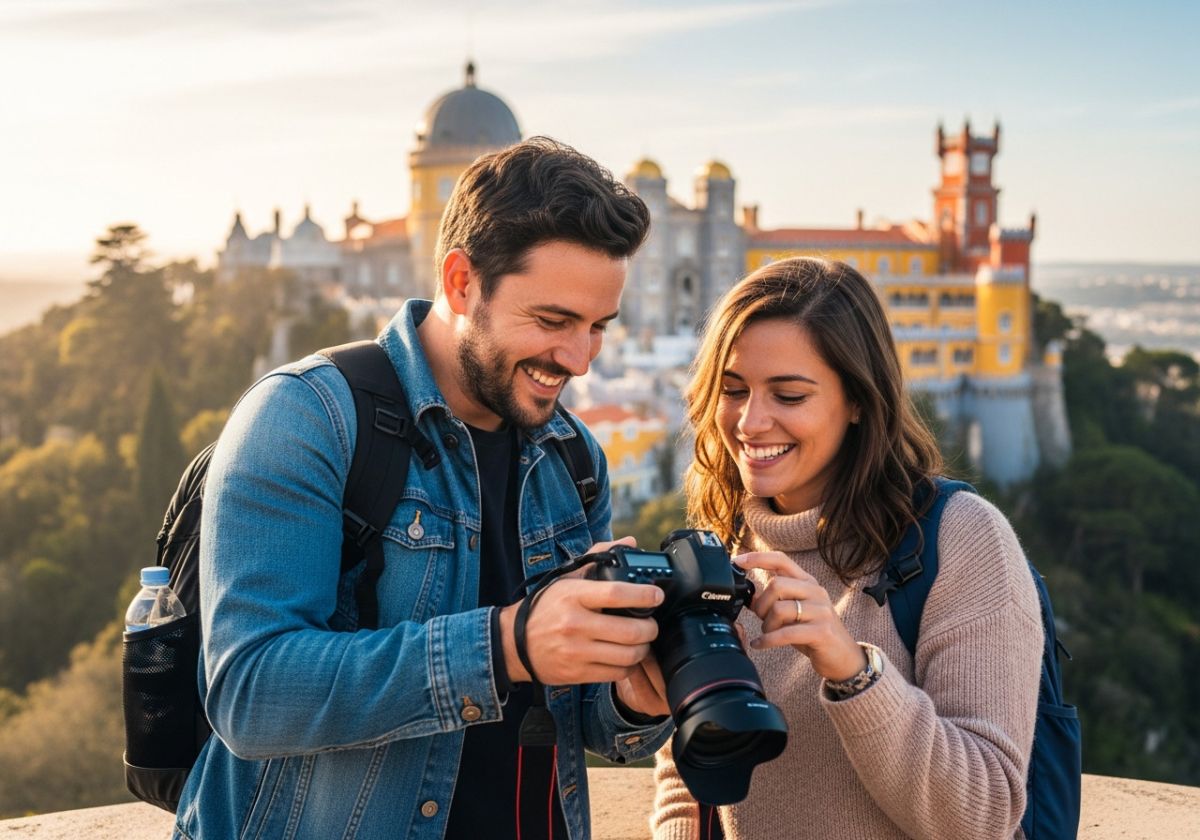
When solo travellers weigh the cost, they are rarely paying just for the clicking of a shutter; they are paying to preserve their limited travel time. Sintra's ticketing slots, shuttle buses, and walking distances between Quinta da Regaleira, Biester Palace, and the historical town center can easily consume an entire day if you are wandering aimlessly or spending twenty minutes at every spot trying to position a phone camera.
A professional session condenses the photographic process into ninety minutes or two hours of focused, relaxed walking. You spend less time worrying about your camera roll and more time simply absorbing the scent of damp pine needles and the history carved into the stone. Because I plan the route around the movement of the crowds, you avoid the fatigue of standing in long photo lines, leaving the rest of your afternoon completely free to explore local bakeries or hike up to the Moorish castle at your own leisure.
Posing naturally without feeling self-conscious in public spaces
The biggest hesitation solo travelers express to me is the fear of feeling ridiculous while being photographed alone in a public setting. Quinta da Regaleira attracts hundreds of visitors daily, and having a massive camera pointed at you while tourists look on can easily trigger camera anxiety and physical stiffness. My approach during solo portrait shoots and personal sessions is deliberately quiet and grounded, avoiding loud production gear, external reflectors, or dramatic posing that draws unnecessary attention.
I focus on your natural walking cadence and physical comfort. We pause when an area clears out, talk through the history of the garden features, and shoot in brief, low-pressure bursts. When you know that someone experienced is handling the shutter speed, the framing, and the crowd management, your shoulders drop, your expression relaxes, and the resulting solo traveler photography reflects the genuine sense of wonder you felt exploring Sintra on your own terms.