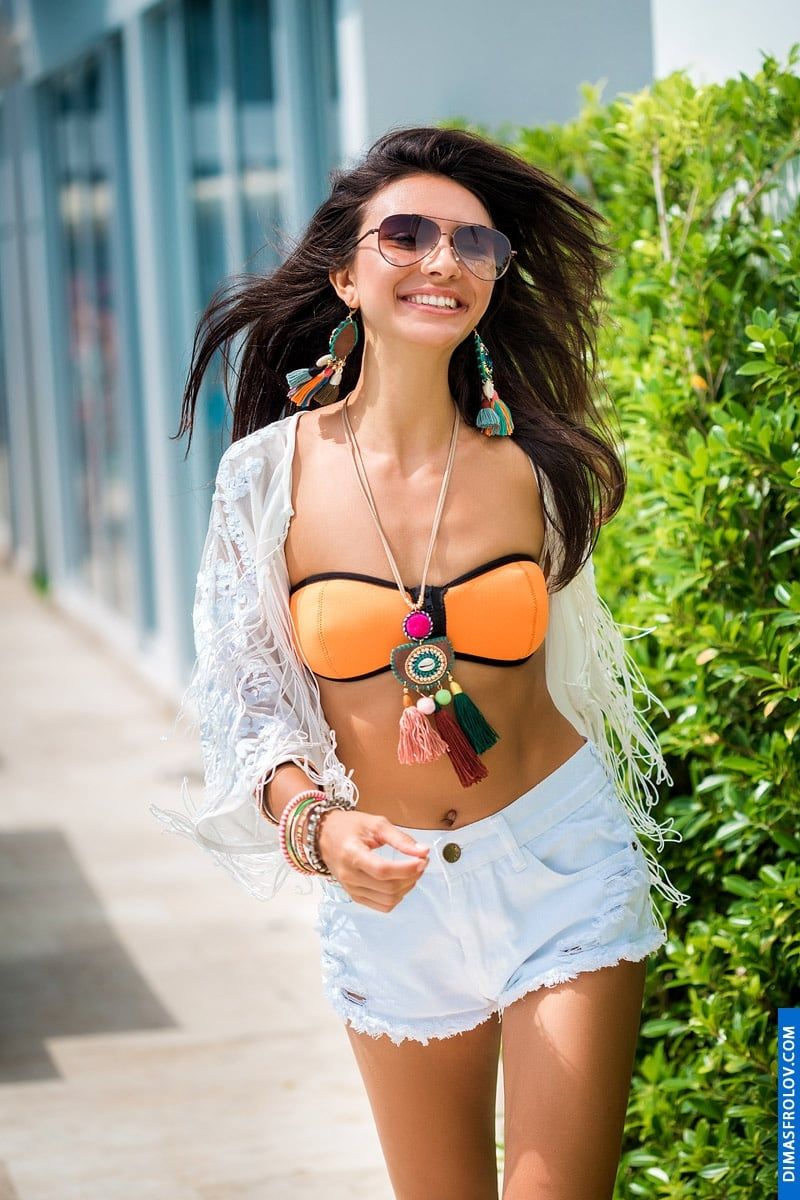
You can bring both props and pets to your photoshoot in Lisbon, provided they fit your actual life and do not turn a walking session into an exhausting moving operation. An item you genuinely use gives nervous hands an intuitive purpose, and a dog instantly cuts through camera shyness because your attention shifts away from my lens and onto something you love. The secret is keeping everything lightweight and grounded in reality, especially given the steep topography and uneven walking surfaces across Lisbon's historic quarters.
Meaningful personal items give restless hands a natural purpose
Most people who have never been photographed professionally share the exact same fear during our first ten minutes: they do not know what to do with their hands. An organic prop solves this physical puzzle immediately. When I photograph someone holding a warm cup of bica at a neighborhood quiosque in Príncipe Real or flipping through a notebook they actually write in, their posture softens. The shoulders drop, the fingers stop gripping unnaturally, and the scene shifts from an awkward pose into a slice of a normal morning.
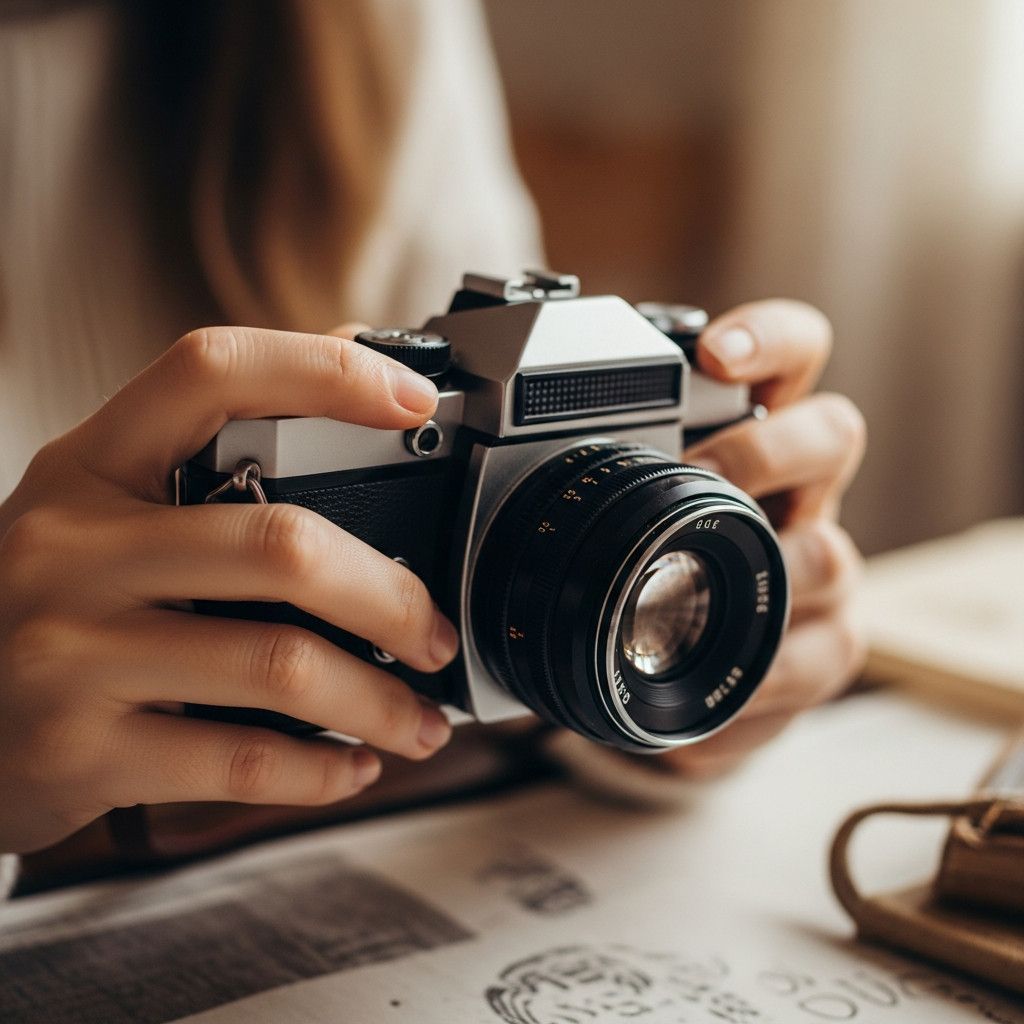
The operative word here is personal. A leather jacket you take on every trip, an analog 35mm camera hanging from your wrist, or a canvas tote bag filled with fresh bread from a local padaria belongs in the frame. These items fit naturally into the environment and tell an honest story about who you are. When an object has personal value, you handle it without thinking, which translates into authentic body language on camera.
[IMAGE_PLACEHOLDER: "A woman sitting at a green metal outdoor cafe table in Lisbon, holding a small porcelain espresso cup in both hands, wearing a relaxed linen shirt, morning sunlight filtering through tree leaves onto the table, natural lifestyle portrait"]Conversely, items brought solely because someone saw them in an editorial board rarely work. Carrying around bundles of balloons, wicker baskets you never use, or plastic party props through the narrow alleys of Alfama creates unnecessary friction. You end up watching over your belongings instead of enjoying the walk, and that tension registers in your eyes and jawline.
Dogs bring unfiltered emotion, but Lisbon demands careful route planning
Having your dog along guarantees honest smiles, spontaneous laughter, and genuine physical movement. Dogs do not care that I am holding a camera, which means they do not give stiff, polite smiles. They pull you forward, lean against your shins, and force you into the present moment. That emotional honesty is gold for lifestyle imagery.
However, Lisbon presents very specific physical hurdles for four-legged companions. The traditional Portuguese pavement, the polished limestone known as calçada, can become slippery on steep descents. Neighborhoods like Alfama or Mouraria are filled with tight corridors, steep stone staircases, free-roaming neighborhood cats, and food aromas from low-lying tavern vents. An excitable dog can easily become overstimulated or stressed in that environment.
Because of this, I deliberately steer pet sessions toward wider, calmer spaces. We often meet near the shady pathways of Jardim da Estrela, the broad overlooks of Parque Eduardo VII, or the quieter residential corners of Graça just as the city wakes up. Early morning is non-negotiable for dogs here. The sidewalks are clean, the air is cool, and you can let your dog explore without navigating wall-to-wall foot traffic.
Logistics dictate whether an animal shoot feels relaxed or stressful
Bringing a dedicated companion to handle the leash
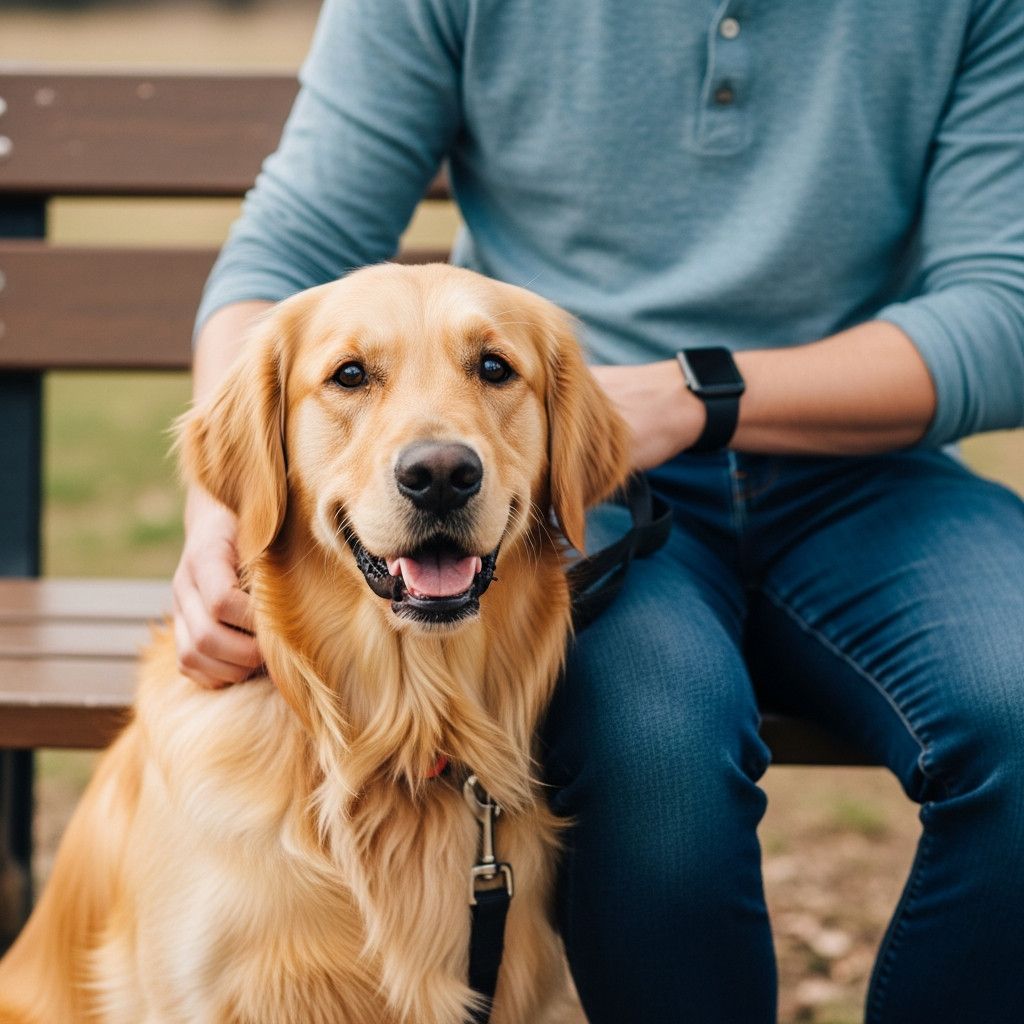
The single most valuable decision you can make when bringing a dog is inviting a reliable friend, family member, or pet sitter to join us. A dedicated handler allows us to alternate between dynamic group shots and quiet frames where your hands are free. After twenty minutes of running around and playing, we hand off the leash so your dog can sit safely in the shade with water while we focus on closer portraits of you. This avoids the uncomfortable scenario of tying your dog to an unfamiliar iron railing where they might whine or feel abandoned while we step away.
Preparing for steep hills, pavement heat, and local distractions
Lisbon warms up quickly from late spring through autumn, and dark stone absorbs heat faster than people realize. You need a collapsible water bowl, fresh water, and high-value treats that command your pet's attention over street pigeons and passing scooters. A sturdy, clean leash looks much better in photographs than a neon retractable plastic box, and it gives you far better control on wet or polished stone stairs. Knowing your dog's temperament around sudden noises, such as the clatter of the vintage trams, helps us decide whether to shoot near transit corridors or stick strictly to peaceful park perimeters.
[IMAGE_PLACEHOLDER: "A couple walking an alert golden retriever on a leather leash down a quiet cobblestone street lined with pastel yellow buildings in Lisbon, gentle early morning light, candid city stroll"]Authentic objects work better than decorative styling props
When selecting items to incorporate into our route, think about activities you would genuinely do on a free morning in Portugal. If you enjoy sitting together on a low stone wall overlooking the Tagus River, bringing a bottle of local vinho verde and two glasses is completely natural. It gives your hands a functional task, prompts conversation, and creates a clean visual anchor that makes sense in the context of the city.
When I photograph couples on Lisbon streets, the best props are often the ones you interact with organically: a shared paper bag of pastéis de nata, an umbrella if the Atlantic brings a light drizzle, or sunglasses that you take on and off as we weave between sunlit miradouros and shadowed alleys. The moment an object requires constant assembly, adjustments, or careful guarding, it becomes a distraction that pulls you out of your natural rhythm.
The same logic applies when creating individual lifestyle portraits across the city. A tailored blazer you can drape over an arm, a favorite magazine to skim while leaning against a tiled azulejo wall, or a simple leather bag allows for varied posing options without looking staged. You are simply living your morning while I document the progression.
Structuring the session timeline around animal attention spans
A dog rarely has the patience or stamina for an uninterrupted ninety-minute photo session. Most animals give their absolute best, most expressive energy during the first twenty to thirty minutes of an outing. After that initial burst, they become thirsty, distracted by street scents, or simply ready for a nap on the cool stone.
I organize the timeline of my lifestyle photography sessions to mirror this natural energy curve. We spend the initial portion of our walk letting your pet investigate the area, burn off excess energy, and interact with you while the excitement is fresh. I keep my shutter speed fast and encourage you to walk, play, and sit naturally on park benches or stone steps rather than asking the dog to sit like a statue.
Once we have captured those lively, affectionate interactions, we let your pet rest with your handler. We transition smoothly into capturing you on your own, taking advantage of the relaxed, grounded state of mind that naturally follows playing with your pet. By the time we wrap up our walk, you have a cohesive set of images that reflects both the playful companionship you share with your animal and clean, composed portraits of yourself.