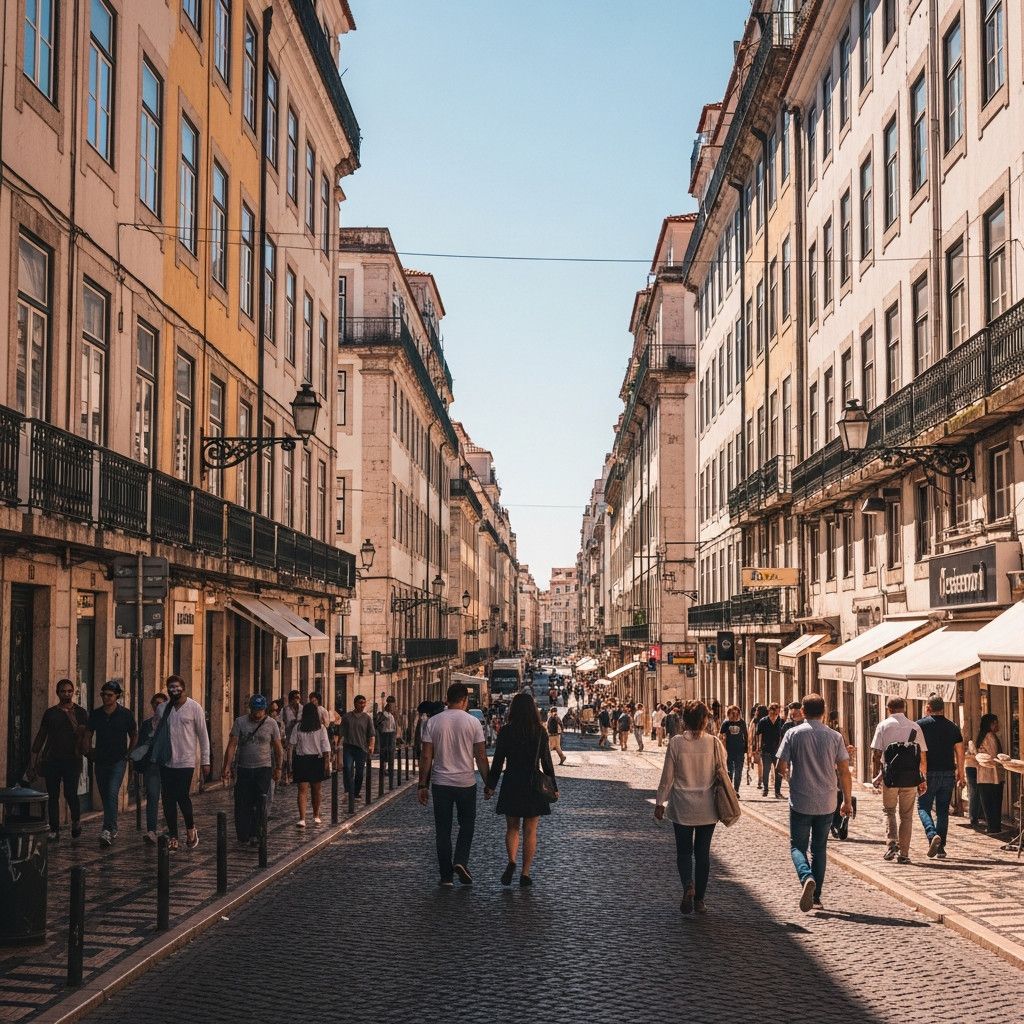
Street photography is all about capturing candid moments of everyday life in public places. As a photographer working in Lisbon, I often get asked about the legal aspects of taking photos in public. People are curious, and rightly so. No one wants to run into legal trouble while pursuing their passion or documenting their travels. So, let's clarify what's permissible when you're out shooting on the streets of Portugal.
Understanding the Basics of Photography Law in Portugal
Privacy vs. Public Interest
Portuguese law, like in many other European countries, balances the right to privacy with the freedom of artistic expression and the public interest. Generally, you can photograph people in public spaces, but there are limitations. The key factor is whether you're infringing on someone's reasonable expectation of privacy. For example, taking photos of someone inside their home from the street would likely be a violation of privacy.
Publication and Consent
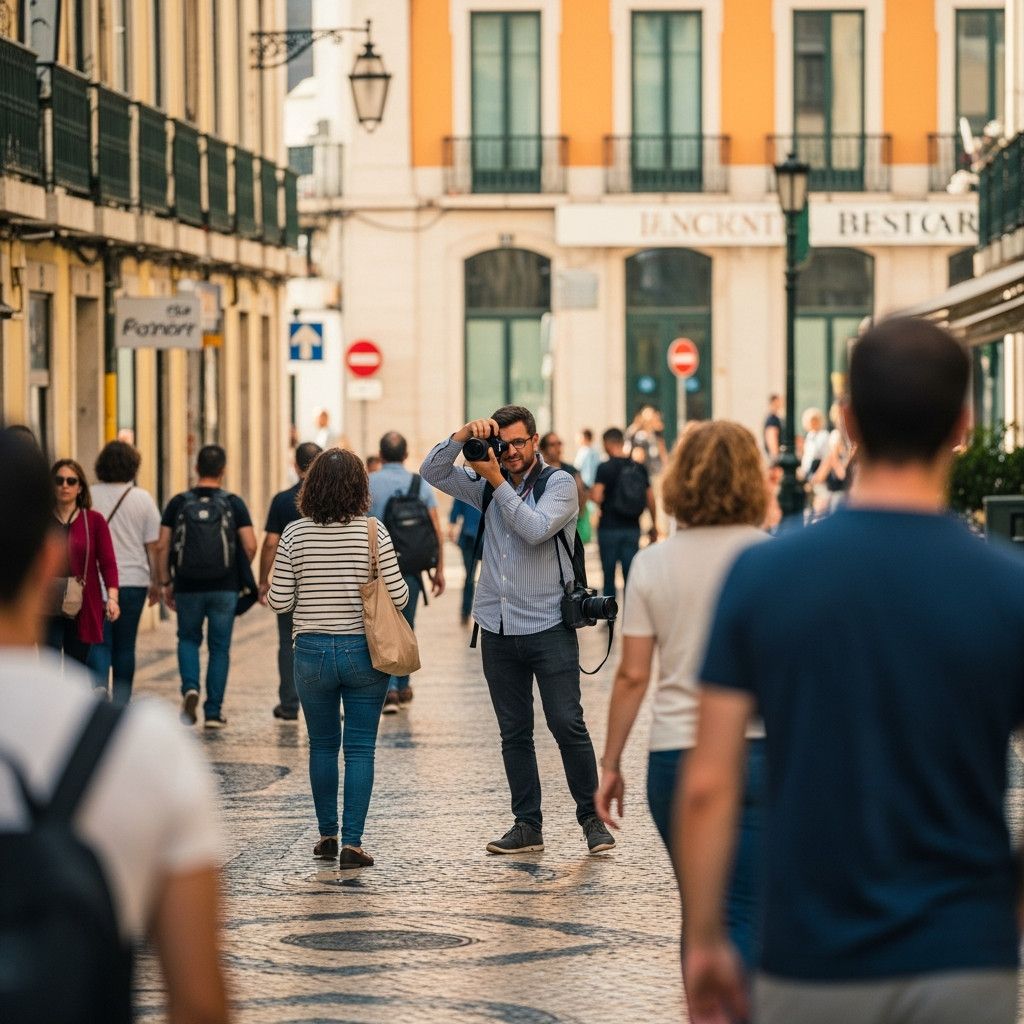
This is where things get a little more nuanced. Even if you legally take a photo in a public place, publishing it can raise different issues. If the photograph focuses on a specific individual and portrays them in a way that could be considered damaging to their reputation or violates their honor, you might need their consent before publishing it. However, if the person is just part of a larger scene and not the primary subject, consent is generally not required. Think of it this way: a wide shot of a crowded street is different from a close-up portrait of someone looking distressed.
Commercial vs. Artistic Use
The intended use of the photograph also matters. If you're using street photography for artistic purposes, like displaying it in a gallery or publishing it in a photo book, you generally have more leeway. However, if you're using the images for commercial purposes, such as advertising or selling them in a way that directly benefits a business, the rules become stricter. In commercial contexts, obtaining model releases (written consent) from recognizable individuals is highly recommended to avoid potential legal issues.
Practical Tips for Ethical Street Photography in Lisbon
Be Respectful and Mindful
The best approach is always to be respectful and considerate of the people around you. Pay attention to body language and social cues. If someone seems uncomfortable or asks you not to take their picture, respect their wishes. A polite smile and a non-intrusive approach can go a long way in building trust and avoiding misunderstandings. Remember, you're a guest in their city.
Focus on the Scene, Not the Individual
When possible, try to capture scenes where people are part of a larger composition rather than singling them out. This minimizes the focus on any one individual and reduces the likelihood of infringing on their privacy. Look for interesting interactions, architectural details, or unique moments that tell a story about the city.
Consider Asking for Permission
If you're planning to take a close-up portrait of someone, especially if you intend to publish it, consider asking for their permission beforehand. A simple explanation of your project and a genuine smile can often lead to positive interactions and beautiful, authentic portraits. It's also a great way to connect with the local community.
My Approach as a Lisbon Photographer
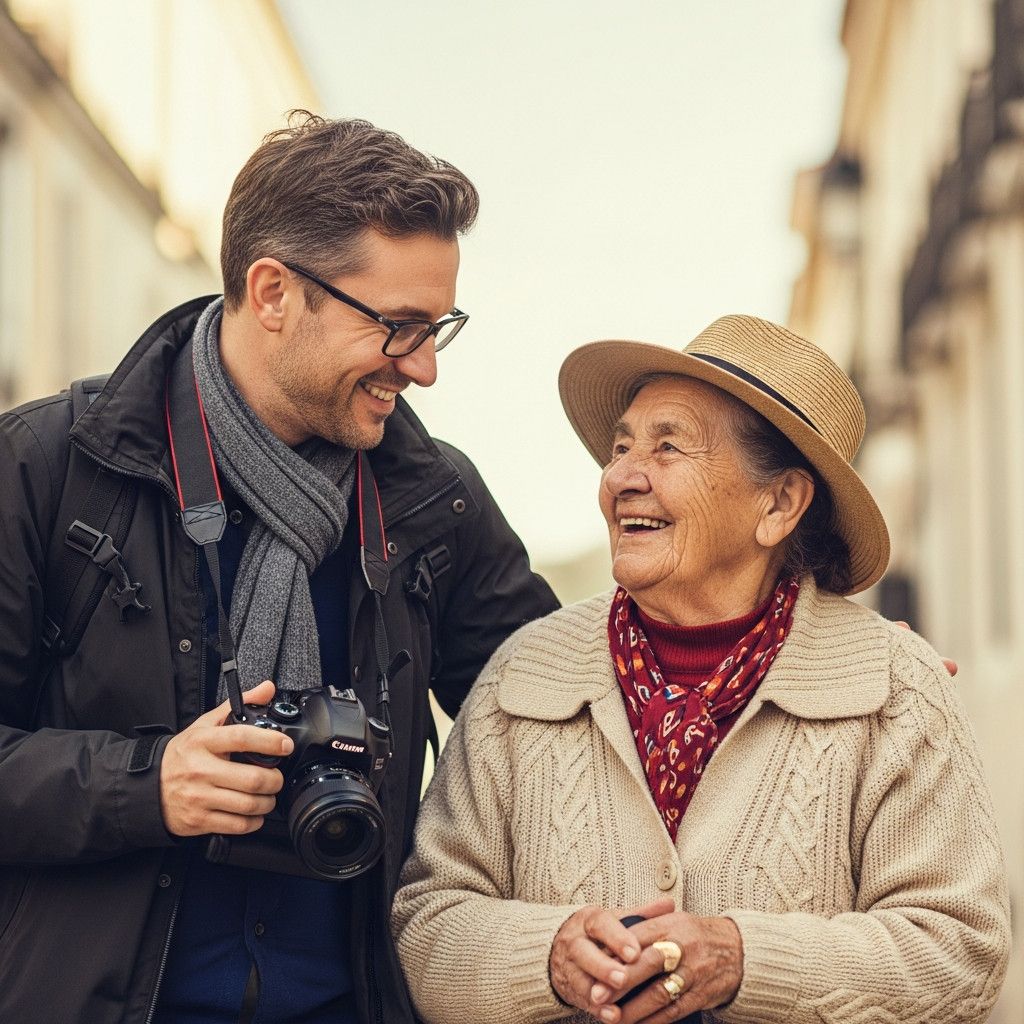
As a portrait photographer in Lisbon, I prioritize creating a comfortable and respectful environment for everyone I photograph, whether it's a planned portrait session or a candid street shot. I believe that ethical photography is not just about knowing the law but also about understanding the human element. I always try to be mindful of the impact my work can have on others and strive to capture authentic moments while respecting people's privacy and dignity.