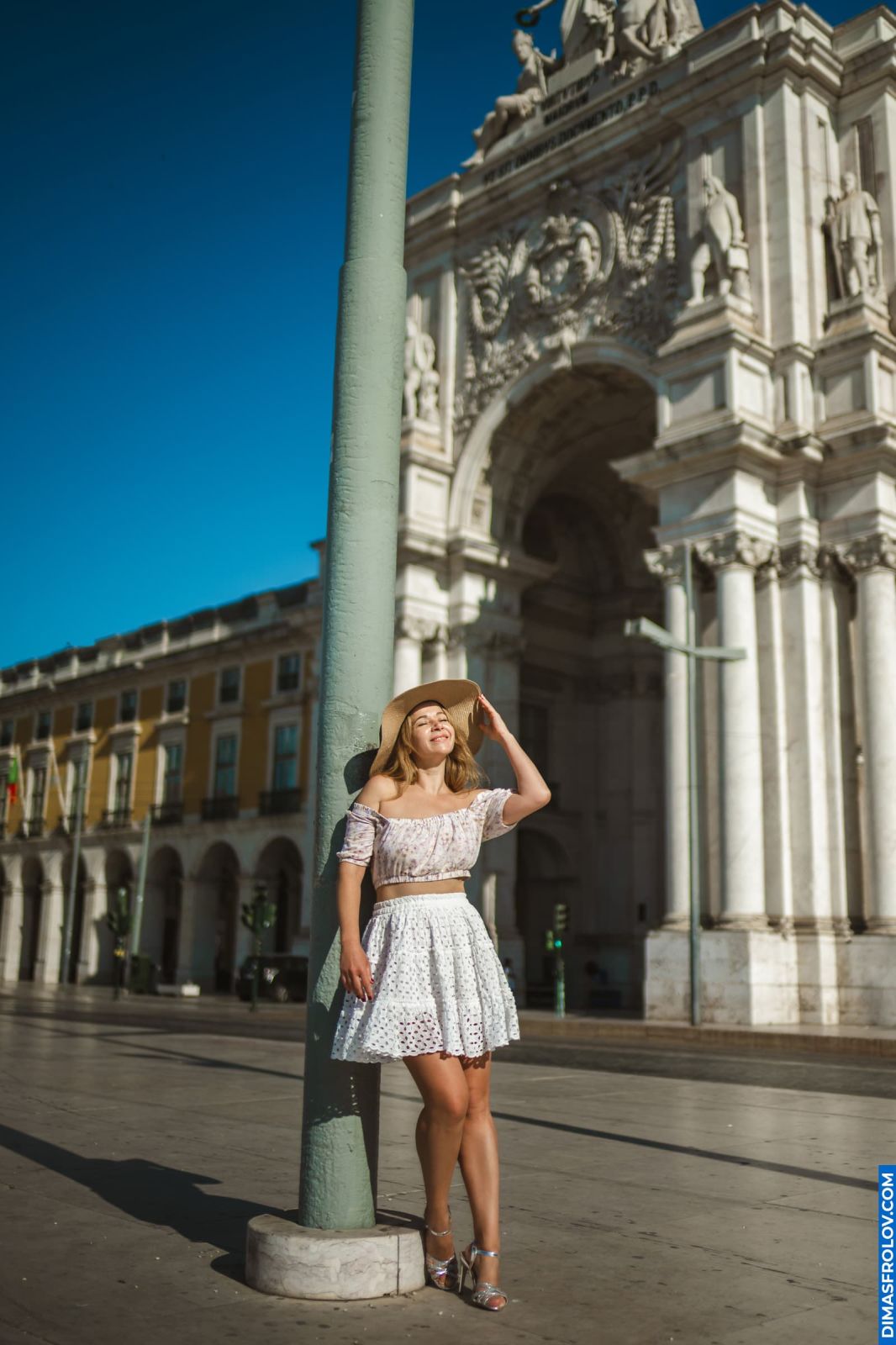
Natural results in portrait photography do not come from telling someone to simply relax and be herself, because standing in front of a lens with zero direction is inherently awkward. An authentic photograph is the result of clear, quiet guidance that takes away the pressure of performance, allowing your real expressions to surface without theatrical posing or artificial smiles. When you book a women lifestyle portrait Lisbon session, you are not paying to pretend to be a fashion model; you are investing in a structured, calm environment where you look like the best, most grounded version of yourself.
The fear of looking staged comes from forced stillness
Most women who reach out to me admit they dread looking stiff, over-posed, or unrecognizable. That stiffness rarely comes from the person; it comes from bad direction. Traditional studio photography often demands micro-adjustments – tilt your chin two millimeters, arch your back, freeze your smile – which instantly locks your body into tension. When a photographer freezes you in place while adjusting lights and settings, your brain begins to overthink every muscle in your face, and whatever natural warmth you had evaporates.
My approach is built around movement and tempo rather than static holds. Instead of placing you against a wall and waiting for a smile, I ask you to walk, adjust your coat, turn slowly, or look down at the street cobblestones before looking up. In between those small shifts, your body resets. That split second where you transition from one thought to another is where the tension drops and genuine expressions appear. It is controlled, but it never feels like a performance.
[IMAGE_PLACEHOLDER: "A woman in a tailored beige trench coat walking down a quiet Lisbon street paved with traditional calcada stones, natural morning side-light, candid half-turn, relaxed facial expression, soft architectural background without famous landmarks"]Real relaxation requires a predictable structure
Telling an inexperienced client to "just act natural" is the fastest way to induce panic. When you do not know where to place your hands or which direction to cast your eyes, self-consciousness takes over. True comfort is built through clear, straightforward instructions that eliminate guesswork. When I direct a session, I give specific, practical tasks: cross your wrists lightly, lean your hip against this limestone railing, or let your fingers rest inside your pocket. Once your body has a physical anchor, your posture settles naturally without feeling rigid.
Throughout our time together, I keep a steady conversational pace so the shoot never feels like a test. You do not have to wonder if what you are doing looks good, because I watch the frame constantly and correct lines before taking the shot. If an angle looks awkward, we shift immediately without dwelling on it. Over the course of my individual portrait sessions for women, I have found that women relax the moment they realize they do not carry the responsibility of making the photo look right; that responsibility belongs entirely to me.

Lisbon light dictates the pacing of the morning
The visual character of an outdoor portrait depends heavily on how the sun interacts with the city's pale limestone walls. Lisbon has sharp, unforgiving light in the middle of the day that casts harsh shadows under the eyes and forces you to squint. That is why I arrange lifestyle sessions during the first hour after sunrise, around 7:30 or 8:00 AM, depending on the season. In areas like the quiet upper alleys of Alfama or the residential corners of Príncipe Real, this early light bounces gently off pastel facades, wrapping your face in soft, luminous tones that require zero heavy retouching.
Early mornings also offer another crucial advantage: empty streets. Walking through public squares when the city is just waking up removes the feeling of being watched by tourists or passersby. You can pause, laugh, and walk down a narrow staircase without anyone crowding your space or staring at the camera. That stillness in the environment translates directly into the photos, giving them a quiet, intimate quality that cannot be replicated during busy afternoon hours.
[IMAGE_PLACEHOLDER: "Medium close-up portrait of a woman sitting outside a quiet cafe in Lisbon with morning sunlight illuminating her hair, wearing a neutral knit sweater, candid expression looking slightly off-camera, shallow depth of field"]Wardrobe choices should support movement rather than dominate the frame
What you wear shapes how freely you move, which directly influences how relaxed you look on camera. High-maintenance garments that require constant adjustment – tight skirts that pull when you sit down, tops that slip off the shoulder unexpectedly, or stiff fabrics that bunch around the neck – create visual and physical friction. When you are constantly tugging at your clothes, your attention is divided, and that micro-frustration shows up in your jaw and posture.
I always recommend choosing clothes made of quality natural materials like heavy linen, soft wool, organic cotton, or silk blends. Textured fabrics react beautifully to natural daylight, adding tactile depth to the photograph without the need for loud prints or distracting logos. Neutral tones such as sand, ivory, charcoal, deep olive, and navy work harmoniously with Lisbon's architectural palette of aged tiles, worn whitewash, and wrought iron. When your clothing feels like your own skin, your movements become fluid, and the focus remains entirely on your presence and expression.

Subtle direction replaces theatrical poses without leaving you lost
Many clients worry that avoiding artificial poses means the photographer will just stand back quietly and leave them stranded. My method sits precisely between those two extremes. I do not bark orders, nor do I leave you waiting in awkward silence. I use subtle prompts that create genuine physical responses: take three slow steps toward me, exhale through your mouth to drop your shoulders, or shift your weight onto your back leg to relax your hips.
This approach allows us to create elegant, clean images that do not feel frozen in time. When you glance through my overall work on lifestyle portraiture in Portugal, you see people who look present in the moment rather than actors playing a role. Natural photography is not about catching someone unawares; it is about creating an environment so grounded that the camera ceases to be a distraction. The resulting frames preserve your real demeanor, your natural way of holding your head, and the authentic rhythm of your smile.
Honest photographs survive changing aesthetic trends
Overly processed imagery, heavy artificial skin smoothing, and trendy color grading look outdated within a few years. When an image relies on synthetic effects, it loses its emotional anchor. A great portrait should carry the same quiet weight ten years from now as it does the day you receive the gallery. It should capture a distinct chapter of your life with dignity, aesthetic clarity, and honesty.
Natural portraiture does not chase fashion trends. It respects your features, the character of the morning light, and the honest texture of real life. When we finish a session, you walk away having had an easy morning walk through Lisbon, and weeks later, you receive photographs that show who you actually are without artificial gloss or exaggerated poses. That simplicity is what gives portraiture lasting value.