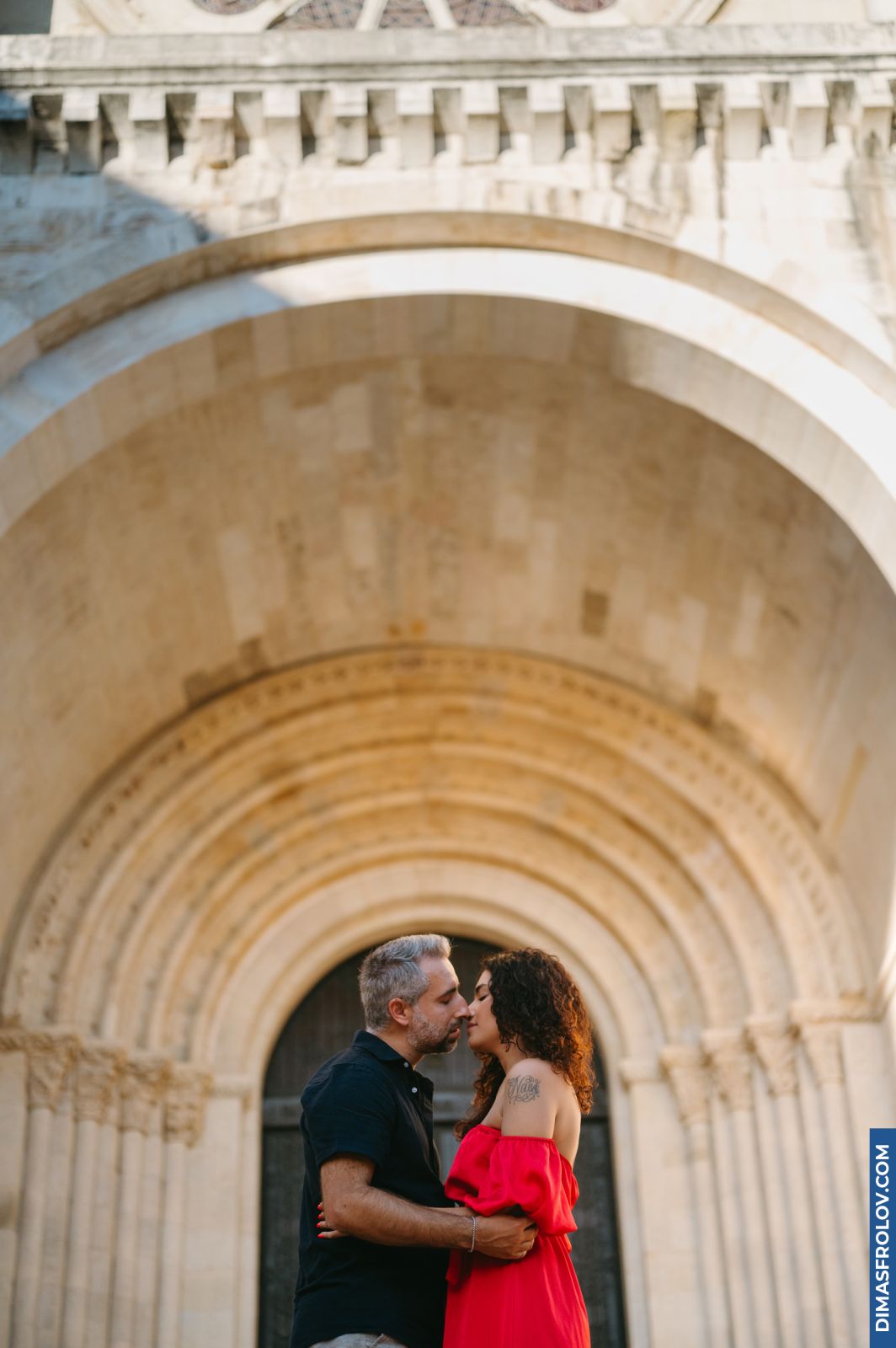
The difference in one sentence: a studio portrait controls everything – light, background, weather, time – and puts the whole picture on your face and posture; an outdoor or environmental portrait gives up some of that control in exchange for real light and a real place, and lets the setting say something about you. Neither is better. They answer different briefs, and most people asking the question already know which brief is theirs once the differences are laid out.
What actually differs
- Light. In a studio, light is built: one, two or three sources placed where the photographer wants them, the same at ten in the morning and ten at night. Outdoors, light is found – the sun, the sky, a wall bouncing it back – and it changes by the hour. Studio light is repeatable; daylight is flattering in a way that is hard to fake, and at the right hour it is better than anything a softbox does.
- Background. A studio backdrop is a colour or a texture and nothing else, so nothing competes with you. An outdoor background is a place – a street, a beach, a doorway – and it is part of the picture's meaning. This is why the outdoor style is also called an environmental portrait: the environment is doing some of the talking.
- Control versus chance. Nothing goes wrong in a studio. Outdoors, clouds come over, a delivery van parks in the frame, a wind gets up. A good outdoor session is planned around that – time of day, a second location, a shaded street for midday – but it will never be as predictable as four walls.
- Posing. Studio work is more directed: stand here, chin there, hands like this. Outdoor work can be, but it is easier to give someone something to do – walk, sit, look at the view – and photograph the result. That is the main reason people say they feel more natural outdoors: they had something to do besides being looked at.
- Time. A studio session can happen at any hour. An outdoor one is tied to the light, which in Lisbon means the two hours after sunrise and the two before sunset for the best results, and shade or an overcast day in between.
- Privacy. A studio is a closed room. A city street is not. For some people that is the deciding factor in either direction – the room feels safe, or the room feels like an examination.

When the studio is the right answer
When the picture has to be clean and consistent: a corporate headshot that will sit next to twenty others, an actor's or model's card, a product-style portrait for a brand that has a visual system. When the weather cannot be allowed to matter – a session booked from abroad for a single fixed day in February. When the subject wants to be directed rather than left to do something, and finds a bare room reassuring instead of exposing. And when the goal is the face and nothing but the face.
Studio portraits are also more forgiving of a nervous first hour, because there is less to react to. That cuts both ways: less to react to also means less to draw an expression out of you.
When outdoors is the right answer
When the picture should look like your life rather than a document of your face: profile photos, personal branding for anyone whose work is not corporate, couples, anything you want to look at in ten years and remember the day. When the place matters – you live here, you got engaged here, you are visiting and want Lisbon in the frame. When you know you go stiff under direction and loosen up when you are walking and talking. And when you want the light that only exists outside: late sun on a tiled wall, open shade in a narrow street, the soft grey of an overcast sky that makes everyone's skin look good.
Outdoor sessions also tend to produce more variety from a single hour – three streets and a viewpoint give you four different-looking sets of pictures, where one backdrop gives you one.

The compromise most people actually want
Environmental portraits are often the middle path: shot on location, in real light, but composed and directed with a studio's care. You get a background that means something without it taking over, daylight without waiting for the sun to do all the work, and enough direction that you never feel abandoned in front of the lens. A doorway, a window in a café, a wall in shade – used well, they give the cleanness of a studio frame with a real place behind it.
How I decide
My own sessions in Lisbon are on location: the city is the studio, and the choice is really which outdoors – the viewpoints and open light for one kind of picture, the old quarters and their shade for another, an apartment with a big window when the brief calls for something quieter. If what you need is a controlled studio look – a set of matching headshots, a specific backdrop – say so before we book and we plan for it rather than improvise.
If you are still unsure, the question that settles it is not "which looks better" but "what is the picture for". A LinkedIn headshot and a photo for your own wall are different jobs, and the setting should follow the job. That is what the men's, women's and couples sessions are built around, and it is the first thing we talk about.