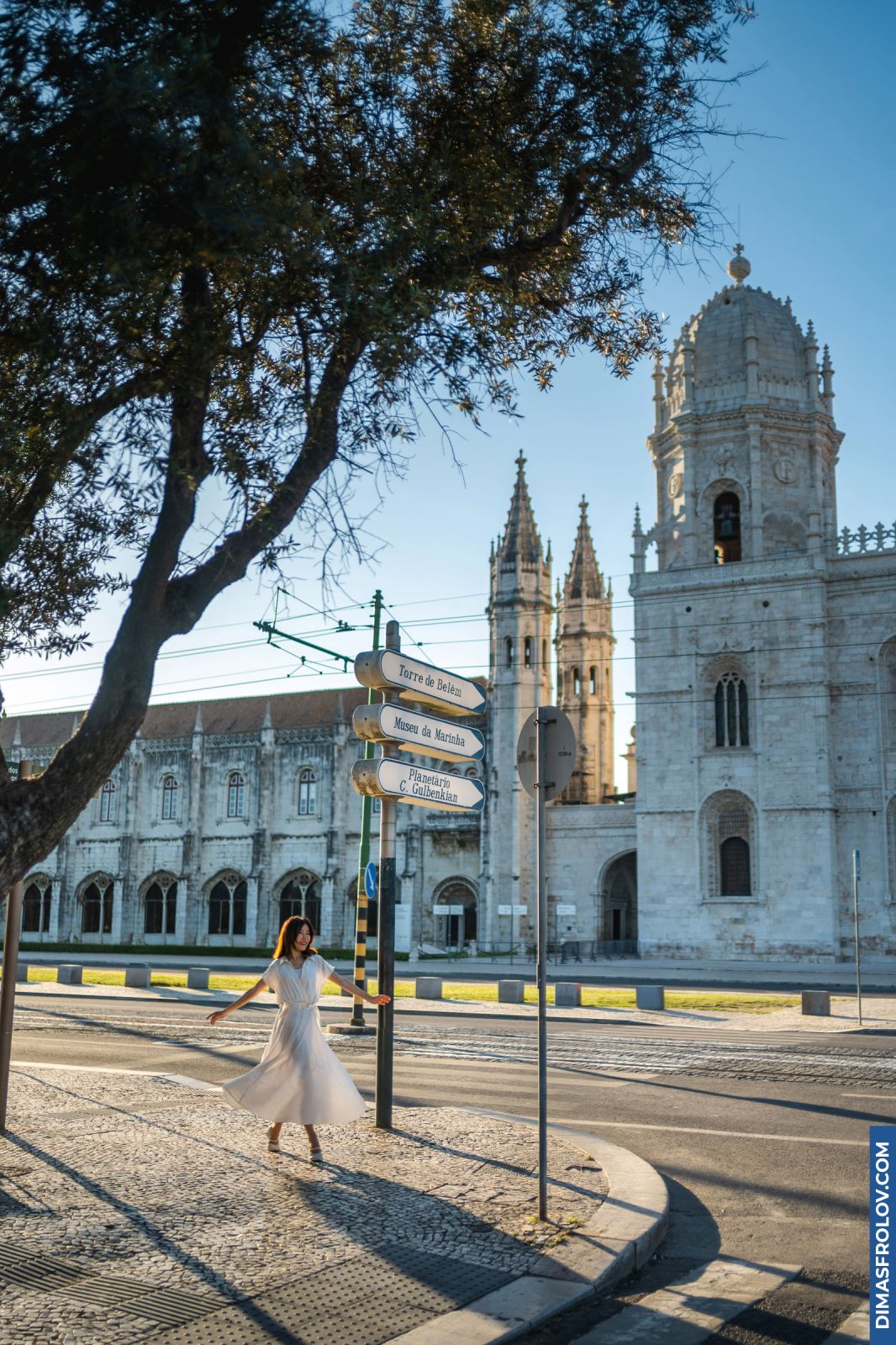
Professional photos get more dating matches because smartphone front cameras distort facial proportions and lack the visual depth needed to show genuine personality. When someone evaluates a profile, they subconsciously register distorted perspectives, poor lighting, and stiff posture as a lack of social awareness or effort. A clean lifestyle portrait taken with the right focal length shifts the focus immediately to your expression, giving the impression of someone comfortable in their own skin who did not spend twenty minutes agonizing over a mirror angle.
Smartphone optics create an optical illusion that works against you
Most smartphone front cameras use ultra-wide lenses designed to squeeze your face, arm, and background into a single frame from twenty inches away. At that distance, wide-angle glass inevitably exaggerates whatever is closest to the sensor, which means your nose looks wider, your ears disappear, and the geometry of your face flattens out unnaturally. The brain catches these subtle geometric inconsistencies immediately, even when someone cannot point out the technical reason for their hesitation. It creates an uncanny perception that makes you look tense, uneven, and visually flat compared to how you appear in person.
I shoot environmental portraits using lenses that closely mirror the human eye's natural perspective, typically between fifty and eighty-five millimeters. Stepping back a few meters and using deliberate optical compression restores your actual facial structure, jawline balance, and skin texture. The resulting image immediately feels familiar and approachable because it replicates the physical sensation of sitting across a table from you, rather than staring at an arm-length reflection.
[IMAGE_PLACEHOLDER: "A 32-year-old man sitting at an outdoor wooden table in a shaded European alleyway, looking slightly away from the camera with a subtle, relaxed half-smile, wearing a textured navy linen shirt, with soft morning sunlight casting gentle light across his face and a soft out-of-focus cobblestone street behind him"]Over-polished studio shots fail just as hard as bathroom mirrors
While poor selfies signal a lack of effort, the opposite extreme often creates equal friction on dating apps. A stiff corporate headshot cut out from a company website or a theatrical studio portrait with harsh hair lights feels completely detached from romance. Modern dating apps thrive on perceived authenticity, and anything that looks like a corporate PR campaign or a staged modeling audition raises immediate skepticism. People wonder what you are trying to hide behind flawless skin retouching and cold backdrops.
The goal is what I call the anti-selfie: a photograph that carries the effortless, candid energy of an afternoon spent with a close friend, supported by the technical competence of a professional lens. When I work with clients on a dating photoshoot for men, we deliberately avoid stiff posing setups and seamless paper backgrounds. Instead, we use real daylight, tangible city textures, and natural seated positions where the camera feels like an observer rather than a spotlight. The image should make someone think you simply have an incredible social circle that captures you at your best moments.
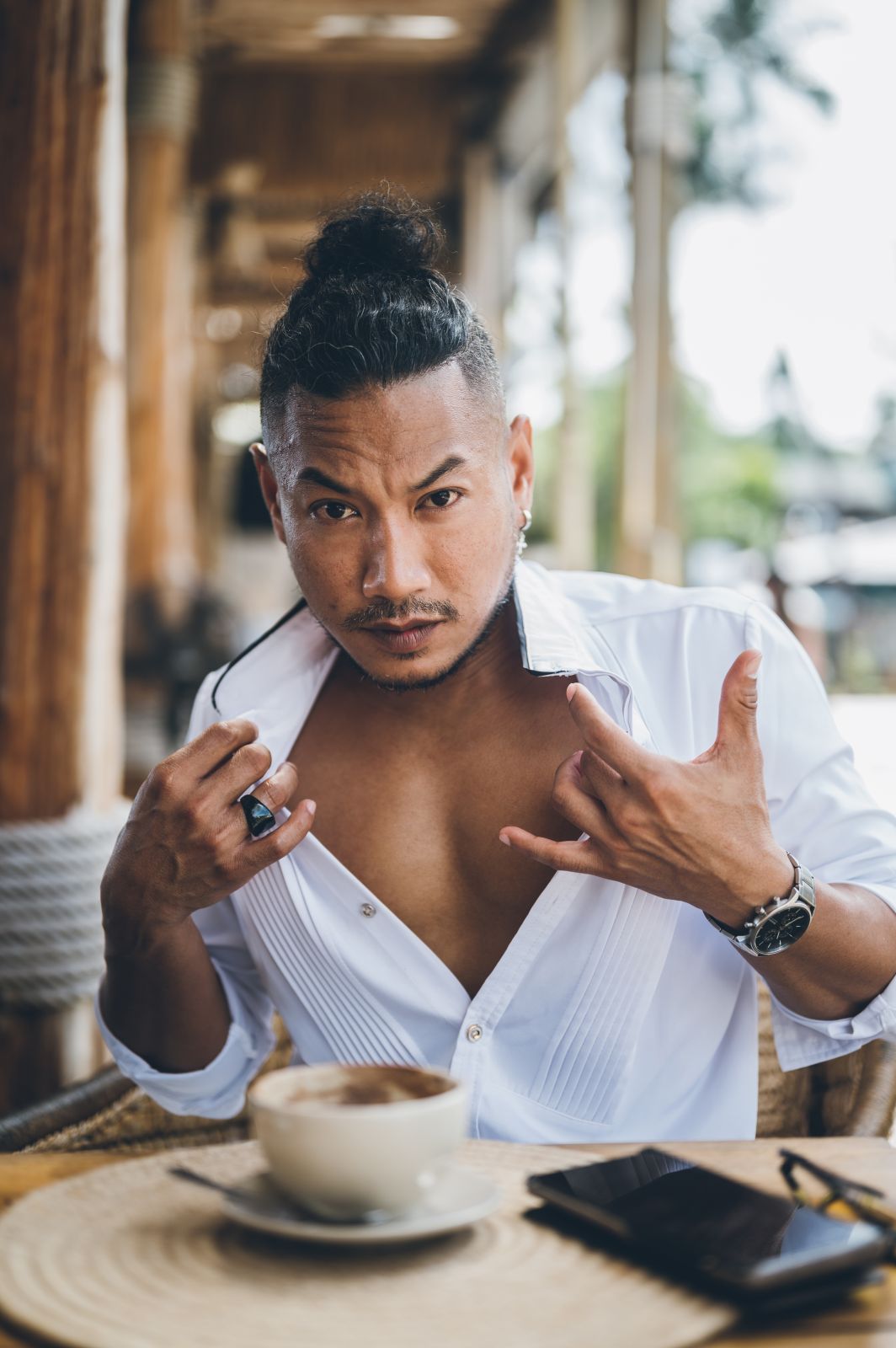
Lisbon light and varied urban textures provide real-world context
Where you stand in a frame communicates your lifestyle before anyone reads your profile biography. A plain white wall tells no story, while a noisy tourist landmark makes the image look like an impersonal vacation snap. I look for quiet urban corners that offer clean architectural structure without distraction. Lisbon happens to provide a remarkable palette for this kind of work, provided you understand how the light moves across its steep topography throughout the day.
We often start around eight in the morning in residential pockets of Príncipe Real or down the quiet residential staircases of Madragoa. At this hour, the low Atlantic sun bounces off light limestone walls and pale plaster facades, creating a massive, natural softbox that illuminates eyes without harsh squinting. Walking along Rua da Rosa or pausing near a neighborhood kiosk gives hands something natural to do, whether that means holding a cup of espresso or leaning comfortably against a sun-warmed wall. These contextual details frame you as an active, grounded person moving through an engaging environment.
[IMAGE_PLACEHOLDER: "A candid medium shot of a woman in her early thirties walking down a sunlit residential street with pale pastel facades, carrying a small leather bag, turning back slightly over her shoulder with an easy, unforced expression, dressed in simple tailored trousers and a cream knit sweater"]Working through camera hesitation produces authentic micro-expressions
Nearly every person who contacts me mentions that they hate having their picture taken and feel clumsy the moment a camera appears. This hesitation is completely rational. Holding a smile on command for several seconds forces your facial muscles into an unnatural grimace that screams discomfort on a profile screen. If you feel tense during the shooting process, that tension reads instantly in the set of your shoulders, the grip of your fingers, and the tightness around your mouth.
I do not expect anyone to know what to do with their hands or how to position their chin. My process relies on quiet, continuous movement rather than frozen posing. I ask you to walk three paces forward, turn on your heels, look toward a passing streetcar, or lean your weight back onto one hip. While you focus on the physical motion, your face relaxes into its natural micro-expressions. That half-second between movements, when you laugh at a misstep or reset your posture, is usually when the shutter clicks. For clients exploring portrait sessions for women, this approach keeps the session low-pressure, resulting in images that look dynamic and unforced.
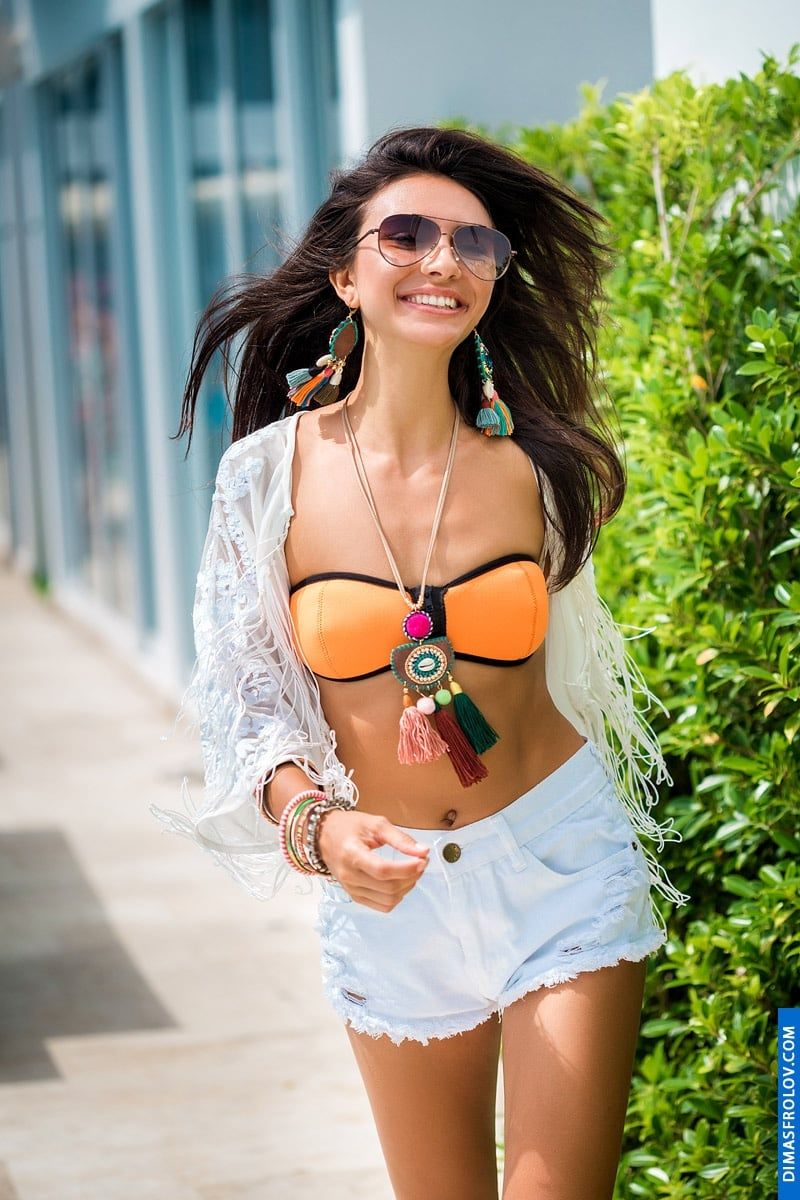
Wardrobe choices must feel lived-in rather than curated for a shoot
Clothing for dating portraits needs to strike a careful balance between deliberate style and everyday wearability. Showing up in an overly pressed three-piece suit or an intricate evening gown sets an impossible standard and creates unnecessary formality. At the same time, an oversized gym shirt or worn-out graphic tee suggests apathy. You want outfits that you would actually wear on a promising third date when you want to look sharp without looking like you spent two hours choosing your clothes.
I recommend bringing three distinct layers with clean lines and muted, rich tones that hold up against urban backgrounds. Think heavy cottons, textured knits, unstructured blazers, and clean leather footwear. Avoid bold horizontal stripes, busy floral prints, and prominent brand logos across the chest, as these draw the viewer's eye straight toward the graphic instead of your eyes. Having two quick outfit changes during a single session allows us to create the visual impression of multiple distinct days, giving your dating profile variety without looking like a single manic photoshoot.
Building a profile gallery that feels cohesive and accidental
A successful dating profile should function like a short visual essay that answers several subconscious questions within seconds. Who is this person when they are out in the world? What does their everyday expression look like? Do they seem safe, warm, and engaging? Relying on five nearly identical headshots feels clinical, while mixing blurry selfies with cropped-out ex-partners creates unnecessary confusion. You need a curated set of three or four strong images that complement each other.
A well-planned lifestyle portrait session solves this by delivering a cohesive mix of focal lengths and moods in one unified gallery. We capture one clear, smiling medium close-up for the primary profile slot, one full-length shot that accurately shows your posture and build, and one or two environmental frames where you are interacting naturally with your surroundings. When every image in the set maintains a high standard of light and clarity while preserving an effortless mood, the entire profile works together to encourage effortless conversations.