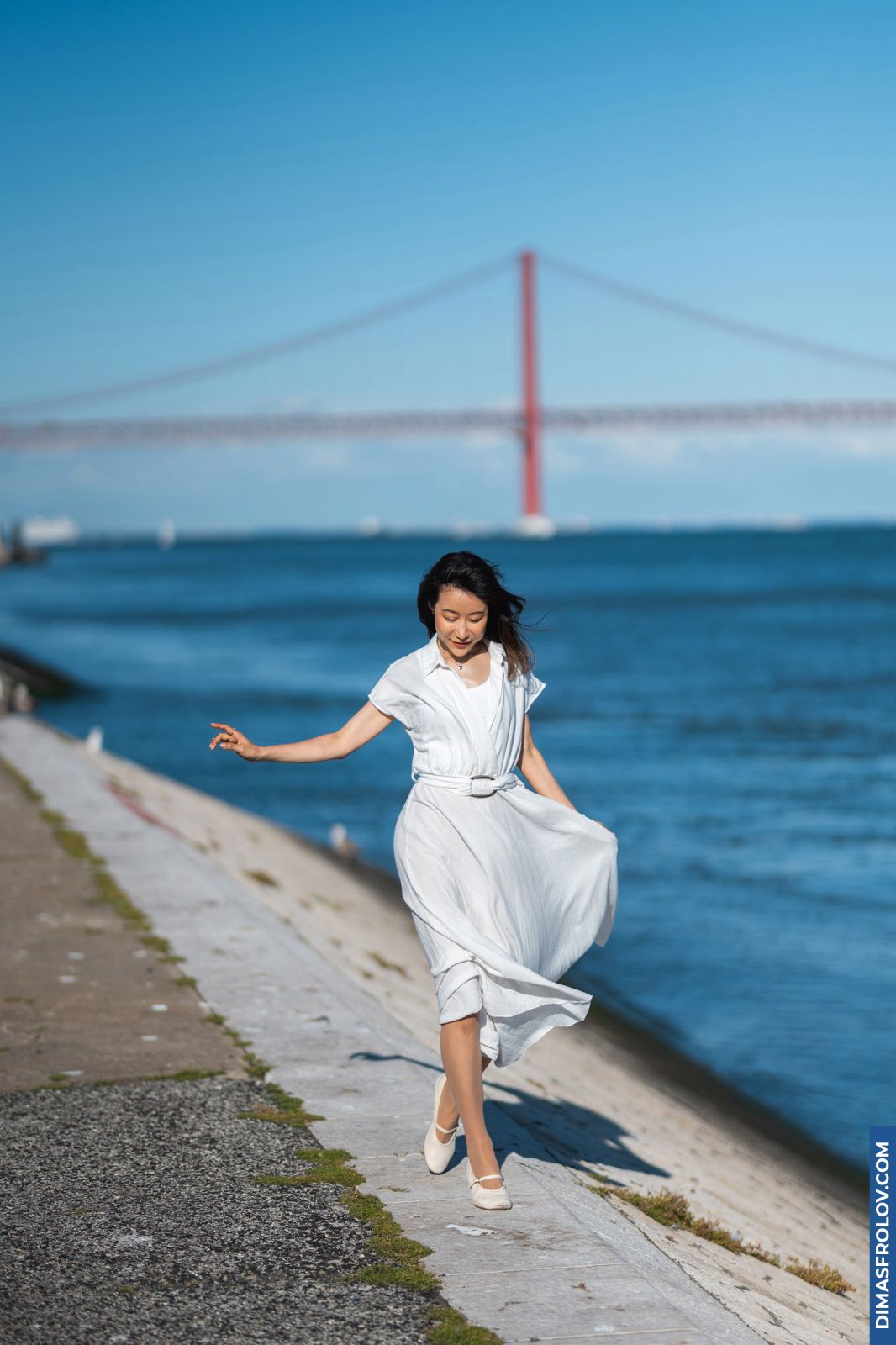
Personal portraits serve as tangible records of who you are at a specific crossroad in life, completely independent of algorithms, fleeting trends, or the demand for online validation. While digital platforms treat images as consumable currency meant to be scrolled past in a fraction of a second, genuine personal portrait photography functions as an anchor for memory and self-perception. When the pressure to perform for an unseen audience is removed, a portrait ceases to be content and becomes a private archive of your actual presence, maturity, and state of mind.
Digital feeds disappear, but self-perception remains grounded in physical reality
Most photos taken today are created to satisfy an immediate social reflex. We snap a quick frame on a phone, apply a quick color adjustment, post it to a story, and forget it ever happened by the following morning. This constant production of disposable imagery creates an odd paradox: people possess thousands of pictures of themselves, yet almost none that feel authentic, deliberate, or worth keeping for twenty years. A professional portrait session reverses this dynamic by stripping away the performative layer that social media encourages.
When someone steps in front of my lens, the goal is never to generate a sequence of interchangeable lifestyle snapshots designed to harvest casual approval. The goal is to document an adult who has lived, made decisions, weathered changes, and reached a distinct milestone. Seeing yourself clearly, represented without digital distortion or exaggerated cheerfulness, alters how you relate to your own timeline. A framed print resting on a wooden desk or preserved in a linen-bound album holds a quiet permanence that no cloud storage or digital profile can replicate.
[IMAGE_PLACEHOLDER: "A 35-year-old man sitting thoughtfully in a minimalist interior near a tall window with soft morning light, wearing a textured dark wool knit, natural neutral tones, shallow depth of field, candid cinematic realism."]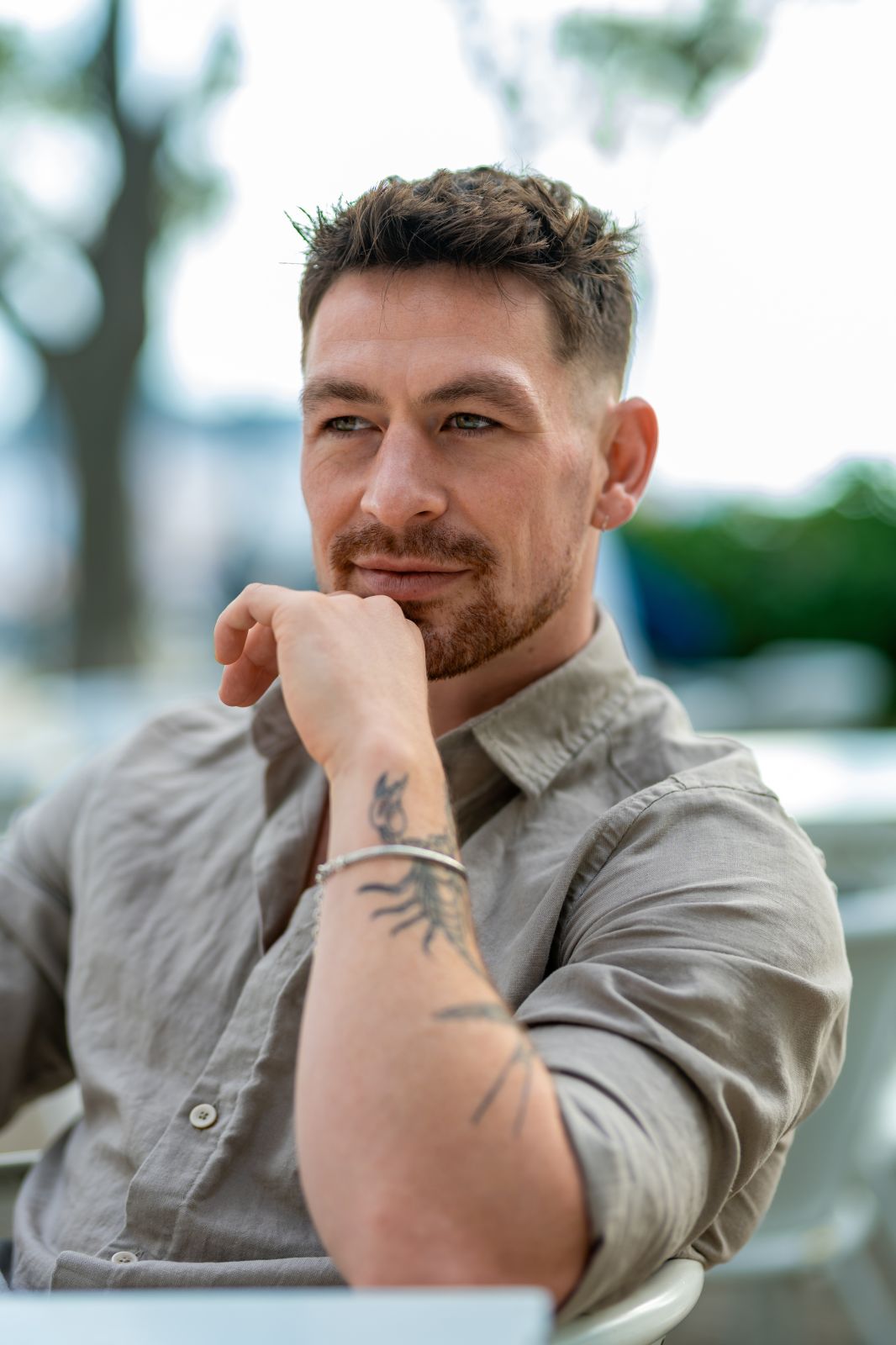
Camera anxiety comes from performance pressure, not your appearance
Nearly every person who contacts me begins with the exact same disclaimer: they claim they are not photogenic, that they feel stiff around cameras, and that they dread being told to look natural. This apprehension rarely has anything to do with their actual physical features. Instead, it stems from past experiences where an impatient photographer pointed a lens at them and demanded immediate, effortless charisma. When you are expected to perform on cue without clear direction, physical tension is the only logical physiological response.
My job during a session is to dismantle that tension by taking full ownership of the process. I do not stand in silence waiting for you to invent poses out of thin air, nor do I shout rigid, clinical commands that make your shoulders lock up. I work with steady, controlled adjustments – shifting your weight onto the back foot, angling your shoulders slightly away from the light, giving your hands a natural task to do. We build the portrait gradually. Once you realize that I am watching the angles, managing the perspective, and handling the light, the necessity to manage yourself disappears, allowing your genuine expression to surface.

Wardrobe and environment set the emotional weight of an archive
The distinction between an image that looks timeless and one that dates terribly within three seasons lies almost entirely in texture and environment. Loud graphics, hypersaturated fabrics, and fast-fashion silhouettes scream of the exact month they were purchased. When preparing for lifestyle portrait photography in Lisbon, I advise clients toward quiet, tactile garments: heavy linens, structured wools, washed cottons, and neutral palettes that absorb rather than fight the city's luminous atmosphere.
Location functions in the same disciplined way. Instead of choosing crowded postcard vistas that pull the focus away from the individual, we seek out understated architectural textures that provide depth without visual noise. A quiet residential street in Campo de Ourique, the shaded perimeter of Praça das Flores at eight in the morning, or a weathered limestone wall along Rua do Século offers a timeless backdrop. These settings do not announce themselves; they simply establish a grounded sense of space that allows the human subject to carry the frame.
[IMAGE_PLACEHOLDER: "A candid portrait of a woman in her late thirties standing beside a textured historic limestone building in soft overcast daylight, wearing an understated tailored cream coat, authentic composed expression, natural wind in hair."]Honest portraiture demands an observant guide rather than a director
A portrait session should never feel like a high-stress production set where you are merely an actor executing someone else's script. My rhythm during a shoot is calm, deliberate, and observant. I pay attention to the micro-rhythms of how you move when you are speaking versus when you are pausing to think. Often, the frame that holds the most weight is not the one where you are looking straight down the barrel of the lens, but the quiet second right after you finished answering a question, before you remember the camera is still there.
This approach applies equally across different types of portrait work. Whether I am shooting tailored individual sessions for men who need to balance personal gravity with approachability, or working on nuanced women's portraits that prioritize substance over superficial glamour, the underlying principle never shifts. The camera simply acts as a witness to a calm conversation between the environment and the subject, guided by gentle corrections that prevent awkwardness without stripping away individuality.
Portraits outlive the seasons in which they were taken
We rarely think about our future selves when we look at our own reflection, but portraits are fundamentally gifts to your future memory. Ten, fifteen, or twenty years from now, your current daily worries will have dissolved, your routines will have evolved, and your life will look entirely different. The simple reality of who you were on a clear Tuesday morning in your thirties will be something you cannot recall through memory alone. Photographs hold that reality safe from the decay of memory.
When you sit down with an honest portrait years later, you do not look at it to inspect minor skin imperfections or check if your posture conformed to a fleeting editorial trend. You look at it to remember the weight of that chapter, the quiet confidence you were slowly building, and the exact look in your eyes before life moved to the next phase. That quiet, unhurried documentation is the real work of personal portraiture, and it exists entirely outside the noise of the modern digital world.