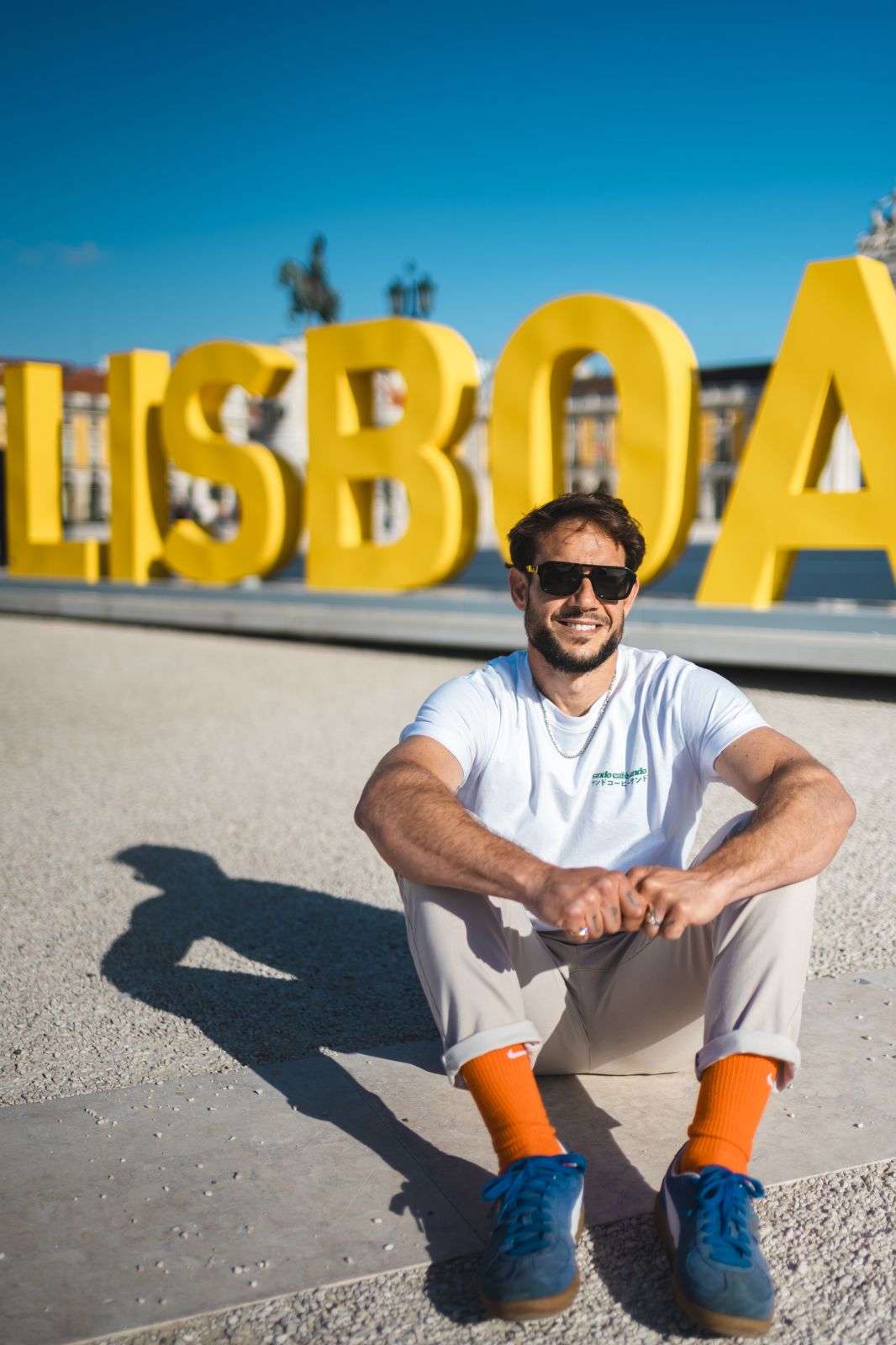
Replicating a Pinterest board during a photoshoot produces stiff, disconnected portraits because you end up copying someone else's physical anatomy and emotional moment instead of living in your own. When clients bring twenty screenshots of strangers standing on balconies or leaning against railings, they are usually drawn to the emotion or the atmosphere of the image, not the actual mechanics of the posture. My job during a lifestyle portrait session is to identify what you actually respond to in those references, strip away the imitation, and build an environment where your natural mannerisms take over.
The Pinterest board traps you in someone else's physical rhythm
A reference image captures a fraction of a second from two specific bodies interacting under specific physical proportions. When an inexperienced client tries to bend their neck or cross their legs precisely like a photograph found online, their brain shifts entirely into performance mode. Instead of paying attention to the morning air or their partner's voice, they are mentally cross-referencing their elbow position with an image on their phone screen. This analytical tension immediately registers in the jawline, the hands, and the eyes.
People rarely understand that professional models in staged editorial shots often hold positions that feel deeply unnatural and strained in real life. Those positions are engineered specifically for one camera angle, a telephoto lens compression, and tailored wardrobe pinning. When an ordinary person attempts the exact same angle on the limestone pavements of Lisbon, the posture simply looks awkward. Genuine confidence comes from how your own body naturally distributes weight when you stop thinking about being watched.
I view reference images strictly as a diagnostic tool before we step out onto the street. If a client shows me a board dominated by cinematic blur, muted earth tones, and wind-blown hair, that tells me they want understated elegance rather than loud, punchy street photography. Once I understand that preference, the phone goes back into the pocket. Recreating the posture pixel by pixel is the fastest way to kill the energy of a session.
[IMAGE_PLACEHOLDER: "A man and a woman in neutral casual clothing walking slowly down a steep, sunlit Lisbon stone alley in early morning, laughing naturally together without looking at the camera"]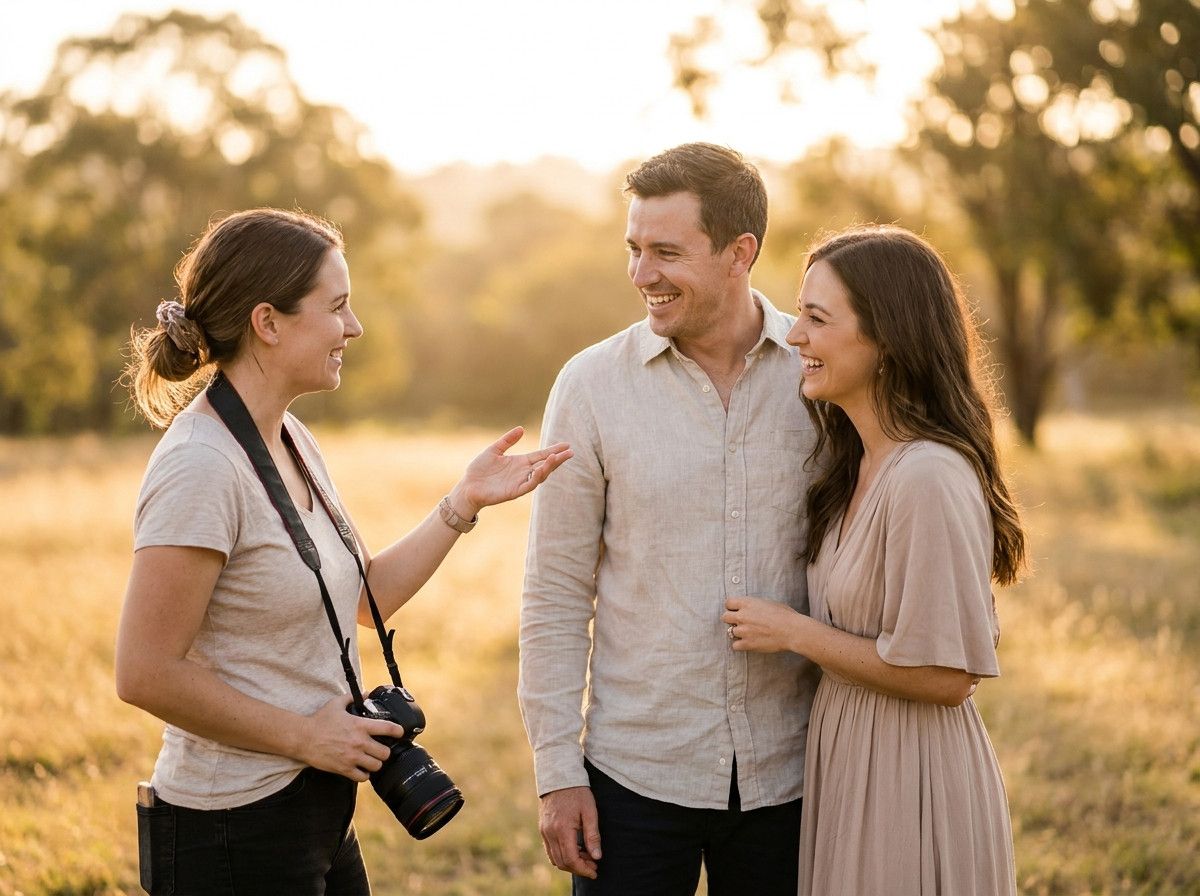
Reference images show styling and light, not genuine emotional interaction
Clients often mistake the setting and styling of an inspiration photo for the emotional connection between the subjects. You might see a photograph of a couple sitting on a cafe terrace in Paris and think you want that exact image. In reality, what caught your attention was the quiet intimacy of their conversation, the warm side light hitting the table, or the clean color palette of their coats. When we work through natural couple photography, we focus on establishing that same intimacy using your personal dynamic, rather than forcing you to sit at a small bistro table when you would much rather walk along a quiet residential street.
Every relationship has its own cadence. Some couples communicate through dry humor and rapid walking; others move quietly and touch each other's hands instinctively. Forcing a couple who thrives on lighthearted conversation to stand silently forehead-to-forehead for five minutes creates visible discomfort. The camera picks up on forced solemnity immediately. The result looks like two people posing for a poster rather than two people who share a real life together.
Building your own story requires identifying your personal baseline. During the initial minutes of our walk, I observe how you stand when we pause at a crosswalk, how you laugh when something unexpected happens, and which side of your partner you naturally gravitate toward. Those subtle physical habits form the real visual vocabulary of the shoot. Adapting the camera to those habits produces photographs that look effortless because they are grounded in your actual habits.
Direction works better through movement and physical tasks than static poses
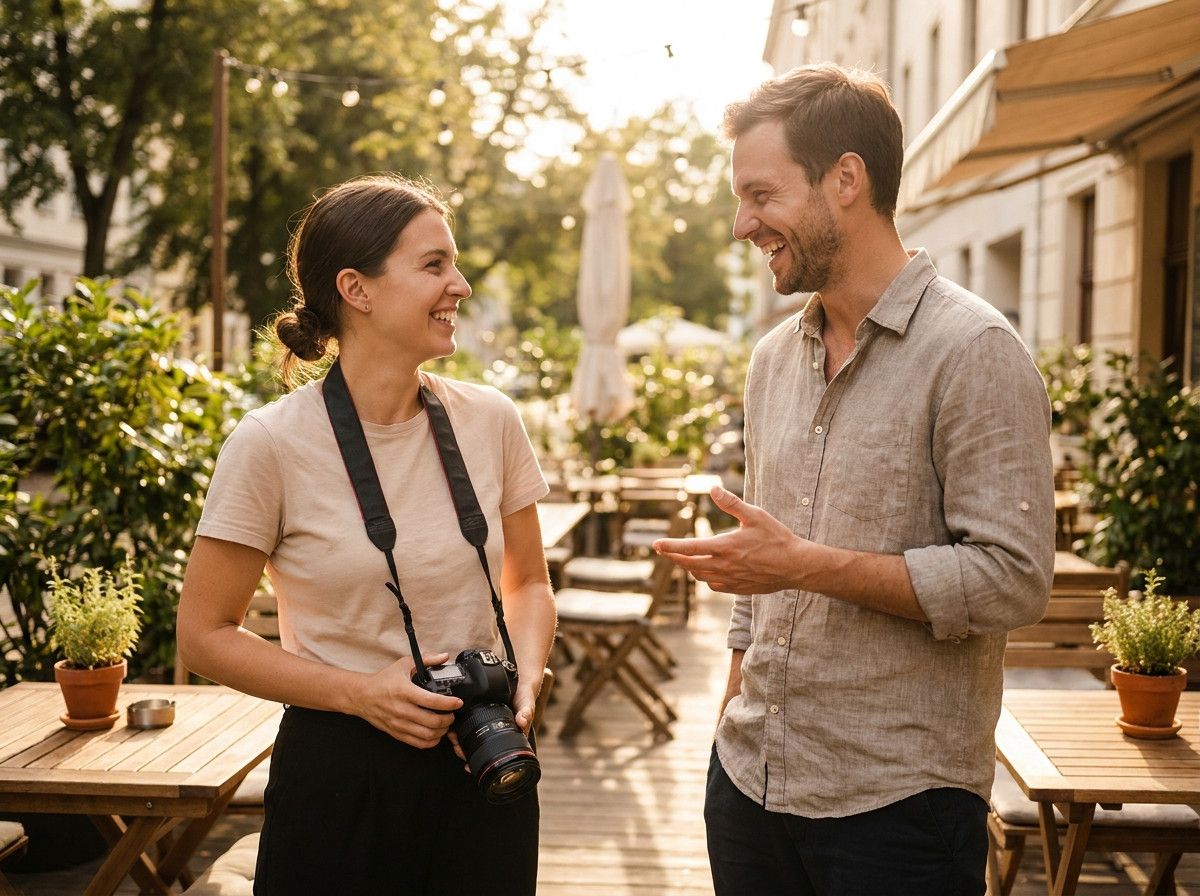
Telling an inexperienced person to hold a pose inevitably creates stiffness. Muscle memory takes over, shoulders ride up toward the ears, and breath becomes shallow. I avoid static placement by giving small, concrete physical instructions that redirect your focus away from the camera lens. Instead of telling you to stand casually against a wall, I ask you to walk three paces past an archway, turn around on a specific heel, and tell your partner what you plan to eat for breakfast.
This approach gives your brain a functional task to resolve. When your mind is busy completing an action, your shoulders drop, your weight shifts naturally onto your back foot, and your hands stop looking clenched. I capture the transition between movements, which is almost always where the honest frame lives. The split second right after someone finishes a sentence or right before they step off a curb carries far more character than any held pose.
Controlled guidance provides structure without boxing you into a rigid box. For individual sessions, whether working on personal branding or a creative solo portrait shoot, I set boundaries for the frame and then let you operate freely within them. I will choose the light, the background balance, and the angle, but your expressions and hand gestures remain entirely yours. This balance keeps the images looking polished without feeling scripted.
[IMAGE_PLACEHOLDER: "A thoughtful woman sitting beside a sun-drenched cafe window in Chiado, resting one forearm on a wooden table while looking outdoors, shot from a natural side angle"]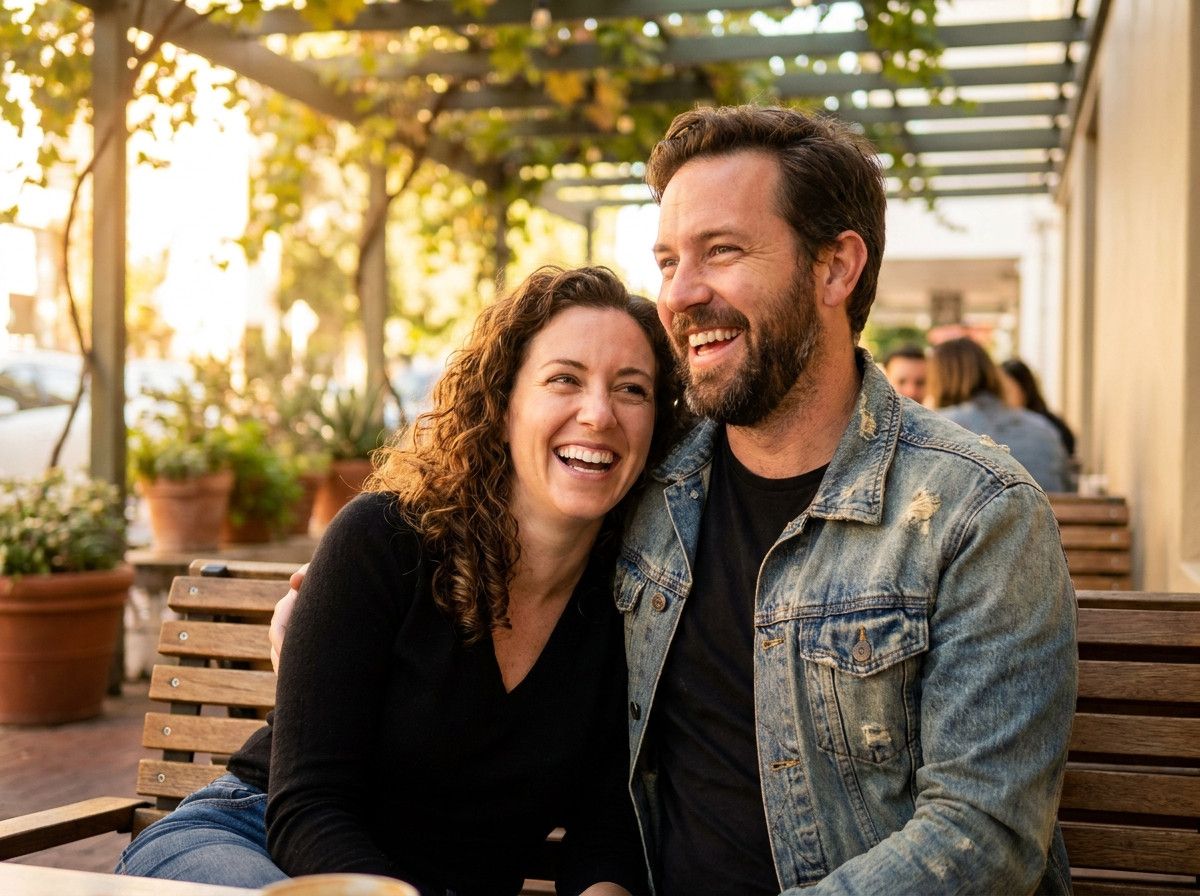
Lisbon streetscapes reward quick adaptation rather than scripted plans
Attempting to execute an inflexible visual checklist in a living city like Lisbon is an exercise in frustration. Light shifts quickly as the sun clears the hilltops, sudden deliveries block quiet alleys, and the historic neighborhoods carry a rhythm that cannot be controlled from a moodboard. At 8:00 AM in Alfama, the low morning sun slices through narrow gaps between five-story buildings, creating sharp triangles of warm light against weathered plaster. Trying to force an overcast, moody reference shot in that environment wastes the best natural asset the city provides.
I build sessions around the progression of daylight and foot traffic rather than static backdrops. We might begin in the cool shadows of residential alleys where the light is soft and forgiving on faces, then move toward open vistas in Graça as the sun rises higher. If a vintage tram rumbles past or an elderly neighbor steps out to water flowerpots, we incorporate those elements into the background cadence rather than waiting for an empty, sterile frame. The environment should feel like a participant in the frame, not a painted studio curtain.
Clients who are accustomed to structured workdays often worry that leaving room for spontaneous moments means a lack of control. In reality, thorough technical preparation is precisely what allows for that flexibility. Because I already know how the camera settings need to shift when stepping from hard glare into deep shade, I can focus entirely on keeping your pacing relaxed. You do not need to worry about the light or the background; your only task is to remain present in the walk.
Photographs of genuine personal character hold their value longer than online trends
Visual trends on social media cycle through predictable waves, from heavy warm filters and deliberate motion blur to theatrical, dramatic posing. These stylistic choices belong to the moment they were produced, and they age just as rapidly as outdated clothing styles. When you prioritize personal character over visual mimicry, the resulting images carry a clarity that remains compelling ten or fifteen years down the road.
When you look back at these portraits years from now, you will not care whether your pose matched an aesthetic trend from an algorithm. You will look at the way your hair was cut that season, the genuine expression you made when you were amused, and how your presence felt at that specific age. That emotional connection only exists if the photograph was built around who you were on that morning, rather than a performance designed to emulate someone else's vacation.
Taking ownership of your visual story means trusting that your ordinary, relaxed presence is compelling enough for good photography. It does not require dramatic acting, theatrical emotions, or copied poses. With calm direction, deliberate light, and the space to simply be yourself in the city, the session yields work that feels both refined and undeniably honest.