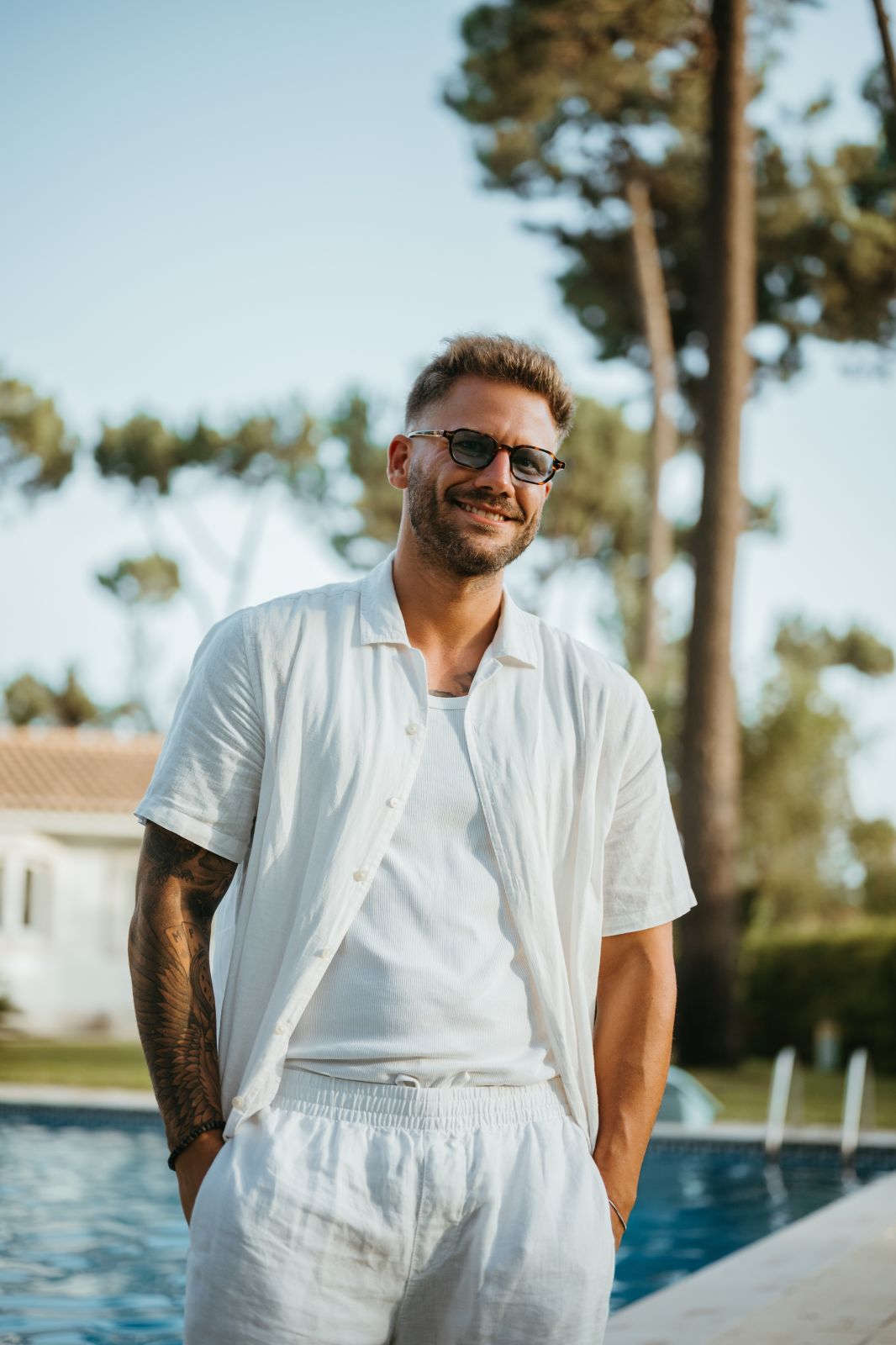
You feel comfortable in front of the camera by removing the burden of performance and allowing physical movement to replace static posing. Most people freeze the moment a lens points at them because they treat a photoshoot like a test where they have to generate the right expression on command. When you realize that controlling how the light hits your face, managing the background, and selecting the flattering angles is entirely my responsibility, your body drops its defensive posture.
Tension stems from the fear of looking foolish
Almost everyone I photograph starts with the exact same confession: they believe they are fundamentally unphotogenic. This reaction is a natural psychological defense against feeling scrutinized. When you stand still and try to look relaxed on demand, your brain monitors your facial muscles, which immediately induces stiffness around the mouth and eyes. That stiffness is what causes awkward pictures, not your actual features. Overcoming camera shyness has nothing to do with forced optimism or practicing artificial smiles in your bathroom mirror before the shoot.
During an individual portrait session, whether creating a clean set of images for men or editorial portraits for women, the first ten minutes are never about producing final frames. That opening stretch exists purely to burn off the nervous adrenaline that surfaces when a camera appears. We talk about the morning, the walk over, or the weather while I set exposure and test the light. Once your nervous system realizes that nothing hazardous is happening and that I am not judging your posture, your breathing slows down, your shoulders fall into their natural position, and the real session begins.
[IMAGE_PLACEHOLDER: "A 35-year-old person walking naturally down a cobblestone side street in Lisbon with warm morning light hitting the textured plaster wall beside them, relaxed posture, casual smart clothing, unposed glance toward the distance"]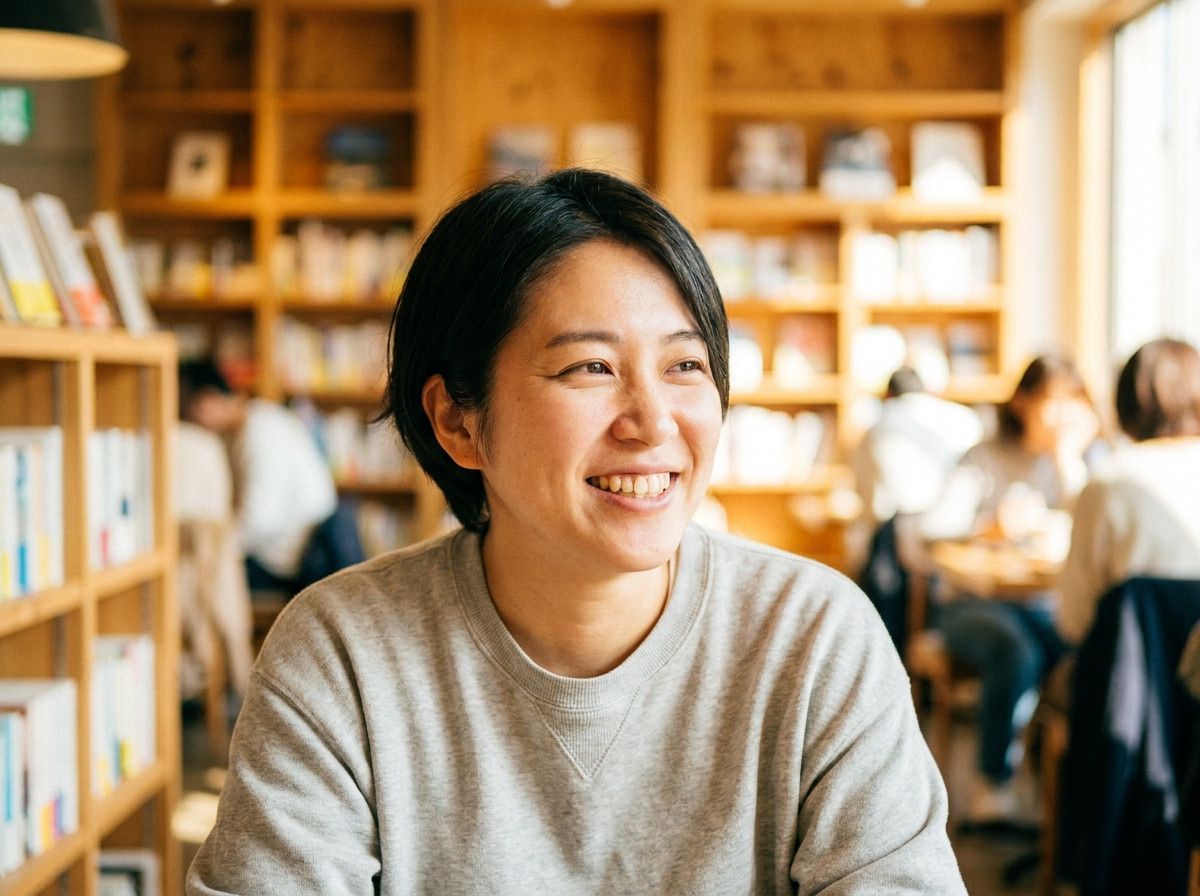
Movement breaks physical stiffness faster than posing instructions
Telling someone to relax never works because relaxation is not a muscle you can deliberately flex. Instead of asking you to hold a rigid shape, I use simple, physical tasks that demand just enough attention to divert your mind from the lens. I will ask you to walk three paces toward a patch of shadow in an alleyway, turn back over your shoulder, or button your jacket while leaning against a stone ledge. The brain focuses on executing the motor function, and in that split second of movement, your facial expressions become completely genuine.
Static poses trap tension in the neck and hands. When you stand still, your hands suddenly feel like foreign objects that you have no idea how to store. By keeping you in light motion, your hands naturally find pockets, cuffs, a bag strap, or the edge of a table without looking staged. As a portrait photographer Lisbon offers endless environmental support for this approach. Leaning against the worn balustrade of a quiet terrace in Alfama or adjusting your sunglasses while crossing a street in Príncipe Real gives your limbs a rational purpose, eliminating that stiff, frozen look instantly.
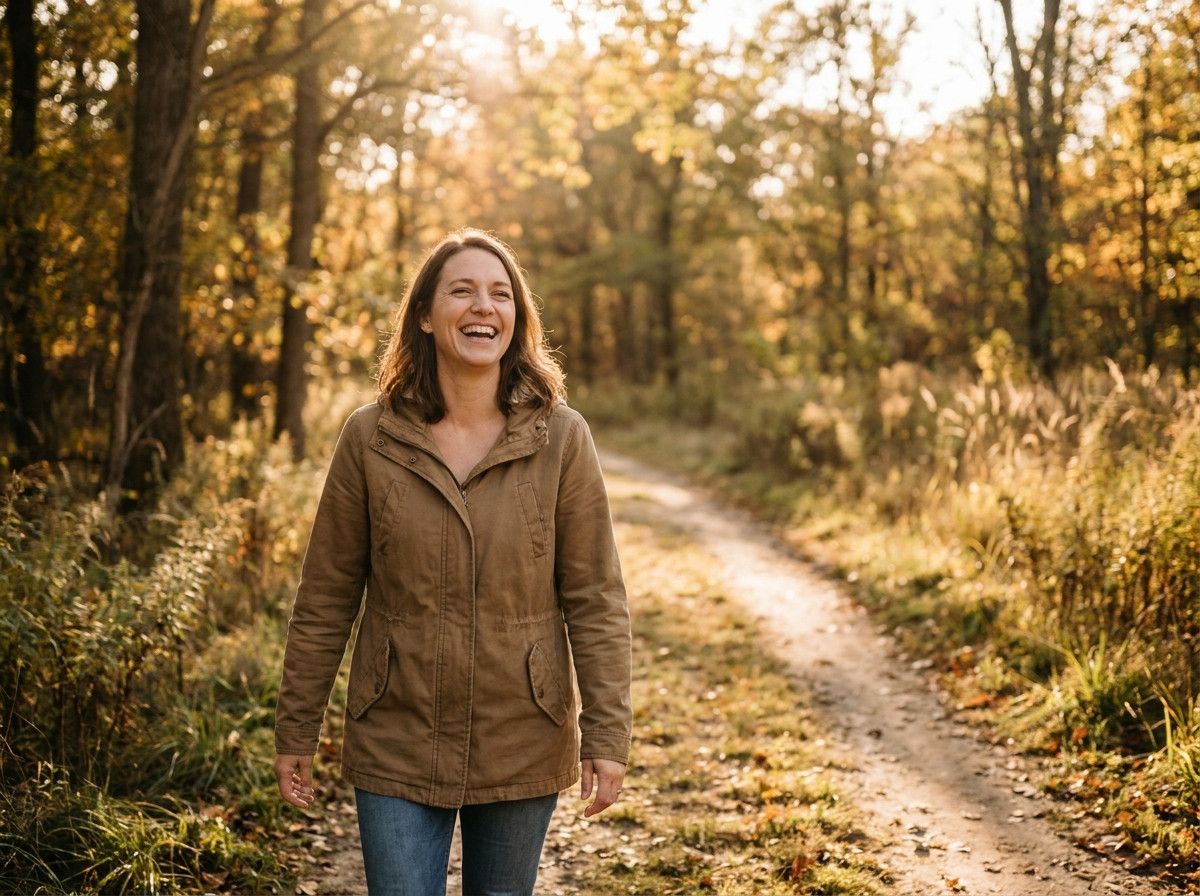
The photographer carries the responsibility for how you look
A shoot should never be a collaborative test where you are graded on your modeling skills. If an angle looks unflattering or a posture looks unnatural, that is solely my failure to direct, never your failure to pose. Knowing this boundary relieves an enormous amount of mental pressure. You do not need to memorize your good side, keep your chin angled at a specific degree, or guess where the main light source is falling. That technical monitoring is my trade, and I handle it continuously while we walk.
My role as a lifestyle photographer in Lisbon is to watch for the subtle changes in your body language. When I notice you holding your breath before a shutter click, I lower the camera, talk through a detail, or shift our location a few yards down the pavement. I direct with clear, manageable steps rather than vague concepts. I will never say "give me something confident." I will tell you precisely where to rest your weight, which direction to turn your shoulders, and where to rest your eyes so there is no ambiguity about what you should be doing.
[IMAGE_PLACEHOLDER: "A candid moment of a client laughing genuinely while sitting at an outdoor cafe table with a small espresso cup, natural morning shadows, candid framing with a shallow depth of field"]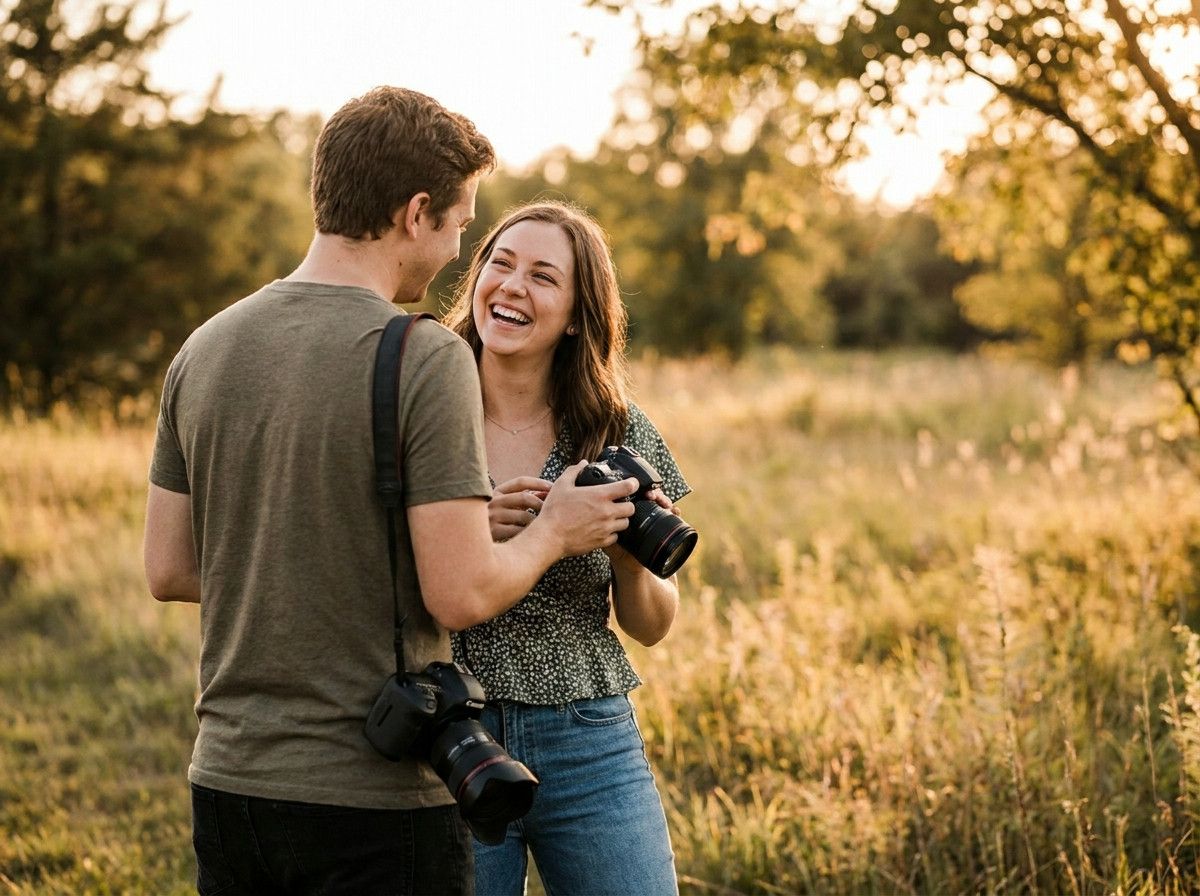
Small pauses prevent sensory exhaustion during the session
Being photographed continuously for an hour or more is mentally draining, especially if you have never done it before. People often brace themselves through the entire shoot, treating it like an endurance trial, which results in visible fatigue around the eyes by the halfway point. To feel comfortable in photos throughout the entire session, the process must be broken into distinct rhythms rather than non-stop shooting.
We work in short bursts. We take a series of portraits in a quiet corner of Praça das Flores, and then we pause completely while walking to the next spot. During those transitions, the camera stays down. We grab an espresso, let the eyes rest from the bright Atlantic light, and reset. These brief pauses reset your facial muscles and allow your mind to step out of the spotlight. By the time we stop at the next quiet wall or sunlit doorway, you return to the camera without the accumulated physical strain that ruins unhurried expressions.
Interacting with the surroundings removes the spotlight effect
The feeling of exposure decreases dramatically when the camera is not the center of the interaction. When I shoot couples, comfort comes naturally through shared attention because the focus is on each other rather than the glass element of my lens. You can recreate that exact same psychological safety during an individual portrait session by directing your attention outward into the city environment.
Instead of staring directly down the barrel of the lens, most of our frames involve looking past it, observing people passing by, or simply taking in the architecture of the street. Lisbon works exceptionally well for this because the city has an effortless, unhurried morning rhythm that you can lean into. Sitting on a stone step near a tram line or resting at an outdoor café table gives you an organic context. You are simply a person existing in a specific space, enjoying the quiet morning shade, while I frame the scene around you.
[IMAGE_PLACEHOLDER: "A close portrait shot from the side showing a relaxed person resting their arms on a weathered stone ledge in quiet morning shade, looking away toward distant city rooftops, calm atmosphere"]Comfort develops through the process rather than before it
Nobody arrives at a portrait session completely calm, and expecting yourself to feel completely natural right out of the car is an unrealistic standard. Comfort is not a prerequisite for a successful session; it is the predictable outcome of an attentive, quiet shooting process. The first few minutes will almost always feel slightly self-conscious, and acknowledging that reality takes away its power to derail the shoot.
Once you realize that your awkwardness is anticipated, accounted for, and easily managed through movement and calm pacing, the anxiety loses its grip. You stop trying to project an idealized version of yourself and settle into how you actually move, speak, and stand. That shift from performing to simply being present is where honest, timeless portraits are made, and it happens naturally once you let the photographer do the heavy lifting.