
The best light in Lisbon depends entirely on the city's topography, its pale limestone surfaces, and the broad mirror of the Tagus River. To get clean, flattering natural light without squinting or harsh facial shadows, the most reliable window is either the first ninety minutes after sunrise in narrow hillside districts like Alfama, or the final hour before sunset along the low-lying riverbank. Lisbon receives roughly three hundred days of sunshine a year, but the southern European sun turns unforgiving between 11:00 AM and 4:00 PM, meaning location choice must follow the angle of the sun rather than a checklist of scenic viewpoints.
Early morning in Alfama eliminates harsh contrast and crowd interference
Alfama wakes up later than the commercial center. At 7:30 AM in the autumn or 6:30 AM in mid-summer, the sun sits low enough that it cannot reach down into the deep, winding alleys. Instead of direct beams creating split light across a person's face, the high whitewashed walls and aged pastel facades catch the sunlight above and bounce it down as a broad, soft fill. This creates exceptionally gentle illumination on skin tones while leaving the background softly muted.
Walking through these stone corridors early in the morning also solves the single biggest obstacle for people who feel awkward in front of a camera: an audience. When the streets are empty except for a local resident carrying bread, your shoulders drop naturally. We can walk through Rua dos Remédios or the quiet stairs near Beco do Carneiro at an unhurried pace, stopping whenever a particular doorway or patch of filtered light catches my eye. If you are planning an individual portrait session or browsing my work for portrait photography in Lisbon, this morning slot offers an intimate, quiet environment where you never have to perform or rush.
[IMAGE_PLACEHOLDER: "A candid full-body portrait of a person walking down a quiet, narrow cobblestone alleyway in early morning. Soft diffused ambient light bounces off aged pale plaster walls and stone steps, with long subtle shadows and no tourists in sight."]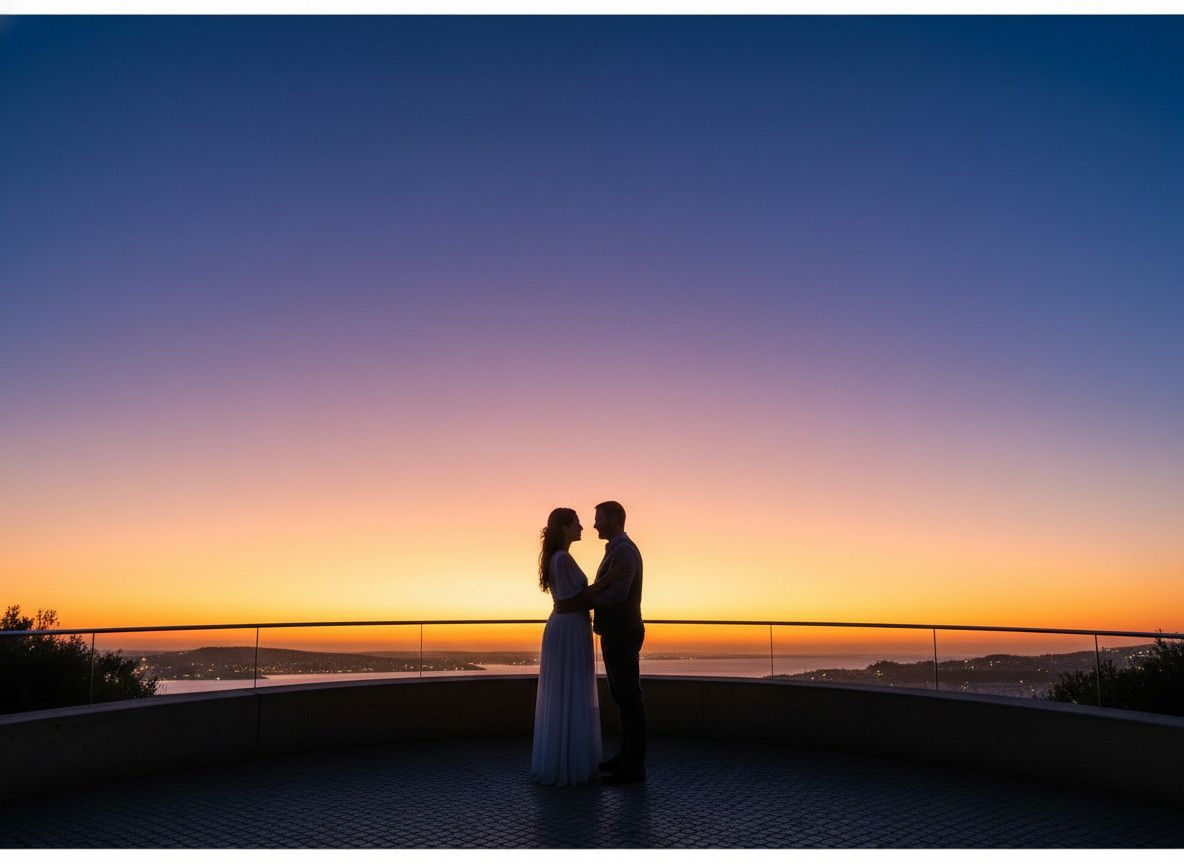
Midday sun requires shaded alleys rather than open viewpoints
Most travelers head to scenic viewpoints like Miradouro de Santa Luzia or Miradouro da Senhora do Monte in the middle of the day, which is the worst possible time for portraiture. High noon light comes straight from above, casting heavy dark shadows under the eyebrows, nose, and chin, while forcing everyone to squint. The city's famous white pavement, the calçada portuguesa, acts like an enormous reflector dish, bouncing intense glare upward into your eyes.
When shooting between midday and mid-afternoon, I steer away from open panoramic terraces and move into areas with high structural shade, such as the narrowest corridors of Mouraria or the recessed arcades of Baixa. Deep shade shields you from direct overhead glare, while the bright street just outside the shadow provides a directional light source from the side. This allows us to keep your expression relaxed and your eyes fully open without relying on flashes or bulky diffusers that draw unnecessary public attention.
The Tagus River creates a clean secondary light source during late afternoon
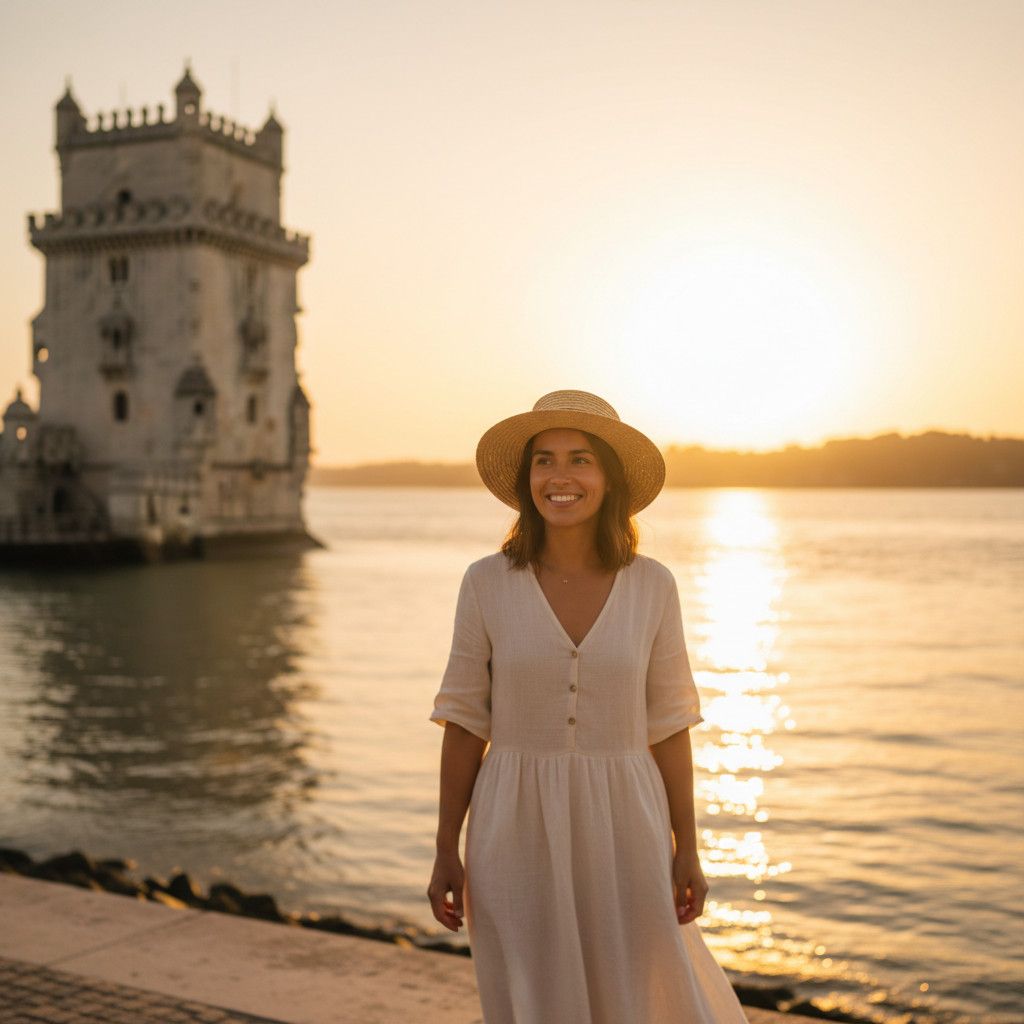
The southern edge of Lisbon sits right against a massive expanse of water where the Tagus widens before meeting the Atlantic. In the late afternoon, between 5:30 PM and 7:00 PM depending on the season, this body of water acts as an organic reflector. The sun lowers in the west toward the 25 de Abril Bridge, throwing long, warm light along the waterfront promenade stretching from Cais do Sodré toward Santos.
By placing my subject with their back slightly toward the sun, we achieve crisp hair separation and a warm rim light, while the water behind me bounces soft, warm light back into their eyes and face. This technique works exceptionally well for relaxed, unposed imagery. During a session for men's lifestyle portraits, we usually walk alongside the river wall, pausing near old industrial docks and open stone quays. The light here remains bright until the very last moment, providing a sharp, clean finish to modern street portraits without the cluttered background of the city core.
[IMAGE_PLACEHOLDER: "A profile portrait of a man standing near a quiet waterfront stone quay during late afternoon golden hour. Warm backlight traces his hair and shoulders, while natural soft reflection from the water gently illuminates his face. Modern relaxed style."]Miradouros produce their best results right at sunset and into twilight
Open viewpoints become usable only when the sun touches the horizon or dips immediately behind the western ridge. During these twenty to thirty minutes, the extreme dynamic range between the sky and the terracotta rooftops levels out. The harsh yellow direct light shifts into soft rose, amber, and eventually deep twilight blue.
At places like Miradouro de Santa Catarina or the upper terraces of Graça, waiting until dusk allows the ambient light of the city to balance with the sky. Street lamps flick on, casting small pools of warm amber on the stone steps, while the river retains a cool blue sheen. When working with couples for an engagement or anniversary session through my couples photo sessions, this twilight phase offers a calm, cinematic look where we don't have to fight the sun or dodge blinding reflections off white tiles.
Natural light works best when your movement stays natural
Finding the right angle of light is entirely my responsibility; your only task is to exist comfortably within the space we choose. I do not ask clients to freeze into stiff poses or hold an unnatural smile while waiting for a cloud to pass. Instead, I position myself relative to the light source, guide your direction of movement, and let you settle into the environment.
If the light requires you to look toward a bright spot, I will adjust your angle by a few degrees so you aren't squinting. If a shaded street corner produces a flattering soft glow on one side, I might simply ask you to lean against a weathered wooden doorway and look down the street. Good natural light photography should look effortless because the process itself was built around comfort rather than technical rigidity. When you look back at your gallery on my photography portfolio, the light should simply support how genuine and grounded you felt in that moment.