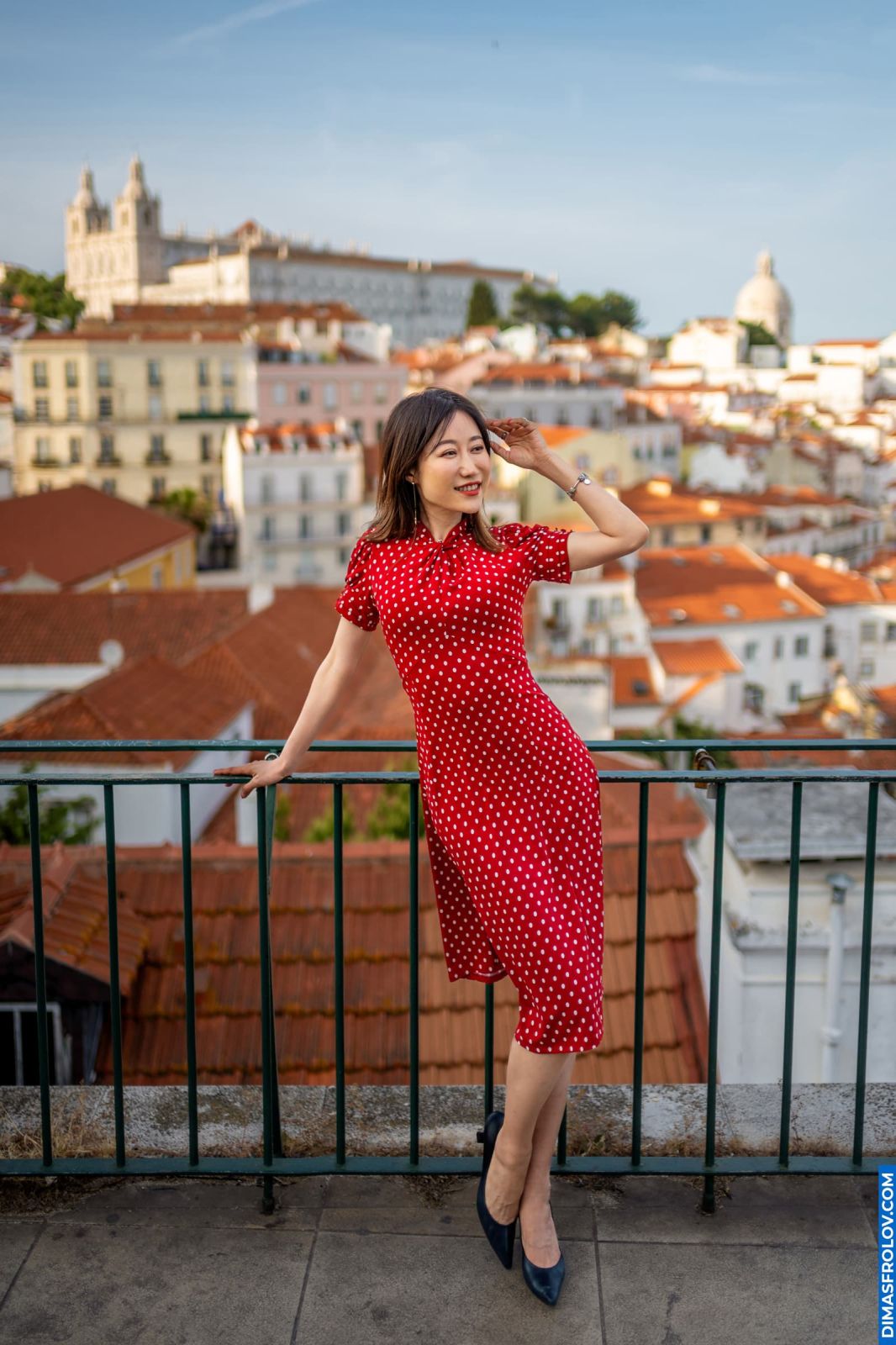
Twenty things that make a portrait session go well, in the order you will need them. This is the checklist version – the narrative of what a first session actually involves exists separately. Most of these take a minute; the ones that take longer are marked. None of them is about being photogenic.
Before you book
- Decide what the pictures are for. A profile, a website, a wall, a gift, nothing in particular. Every other choice – place, clothes, hour, framing – follows from this one, and "I don't know, just good photos" is a valid answer as long as you say it.
- Look at the photographer's actual galleries, not their homepage. If the people in them look like they are enjoying themselves, that is the session you will get. If they all look like the same person in the same pose, so will you.
- Pick the month before the day. In Lisbon, light and heat change the whole session: summer means an early or late start, winter means a two o'clock start and a café as the second location.
The week before
- Send photographs of the outfits you are considering, on you, in daylight. Ten minutes of messages fixes the most common regret people have about their portraits, which is the top they wore.
- Two outfits, not five. One you feel best in – it goes first – and one that changes the mood. Solid mid-tones over pale colours and fine patterns; nothing with a logo.
- Haircut a week out, never the day before. Beards trimmed two days out. Nails tidy or bare.
- Break in the shoes. Lisbon is cobbled and steep; you will walk about two kilometres. Blisters show in posture.
- If you wear glasses, bring them. Anti-reflective lenses if you have them; otherwise say so and the angles will handle the glare.
- Tell the photographer the one thing you do not want emphasised – a side of your face, a scar, an arm, a chin. Once, before the day. It will be handled with the camera and never mentioned again.

The day before
- Sleep. Genuinely the single most effective preparation; it does more for a face than anything you can buy.
- Water, and go easy on salt and alcohol. Both show under the eyes the next morning.
- Iron or steam the clothes and hang them. Creases are almost impossible to remove afterwards and visible in every frame.
- Charge nothing, pack nothing – except the second outfit, a bag you do not mind putting down, and, if it is part of the pictures, the laptop, the instrument, the dog's lead.
On the day
- Arrive on time and unhurried. Nervous energy from running late takes the first half hour to shed, and the first half hour is already the hardest.
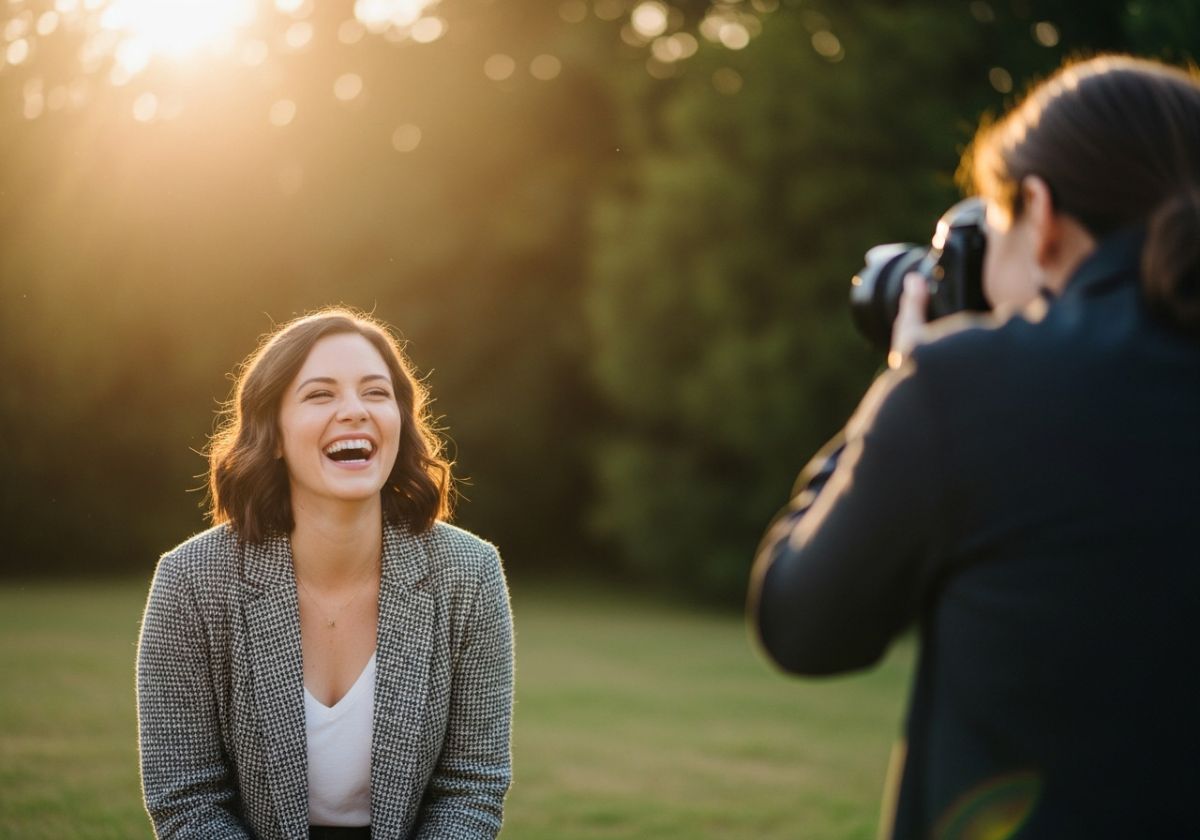
- Expect the first twenty minutes to feel awkward. They do for everyone, and little is photographed in them. The pictures come after the camera stops being an event.
- Breathe out before a frame. Held breath lifts the shoulders and tightens the jaw. An exhale undoes both.
- Do not hold expressions. Let them come and go; a good photographer shoots through the moment. A smile held for three seconds has died by the second.
- Say so if something feels wrong – a position, a place, a passer-by, needing a break. A session is a conversation, and silence is read as fine.
- Ask to see a few frames early if it helps. Most people relax noticeably once they have seen that it is working.
After
- Look at the gallery twice, a day apart. The first look is about how you feel about yourself; the second is about the pictures. Choose favourites on the second.
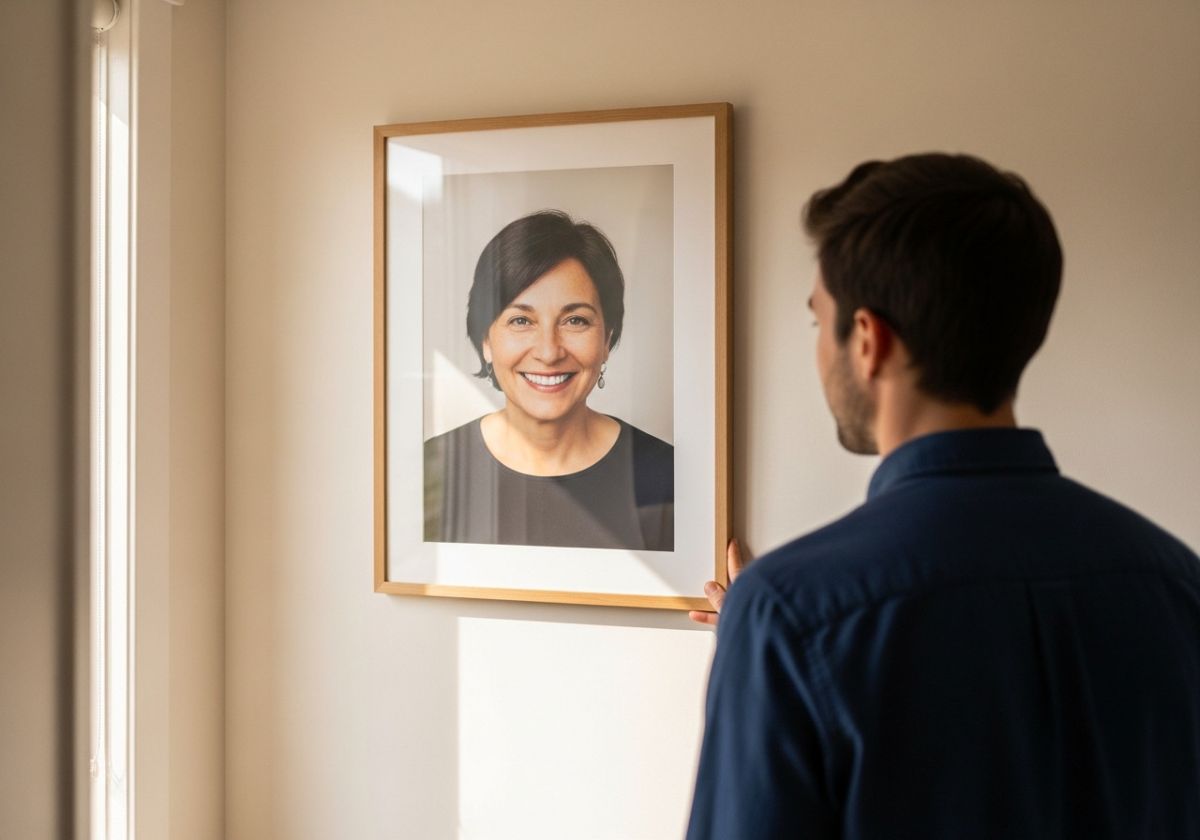
Then print something. A picture on a phone gets looked at for a month; a picture on a wall gets looked at for years, and that is what the session was for.
What is not on the list
Practising poses in a mirror, buying an outfit for the day, losing weight, learning "angles", getting a spray tan, or watching videos on how to smile. All of these make the day worse, because they turn a walk through Lisbon into a performance you have rehearsed for. The men's, women's and couples sessions here are built so that the person in front of the camera has nothing to do but turn up; the twenty points above are the whole of the homework, and most of them are about sleep and shoes.