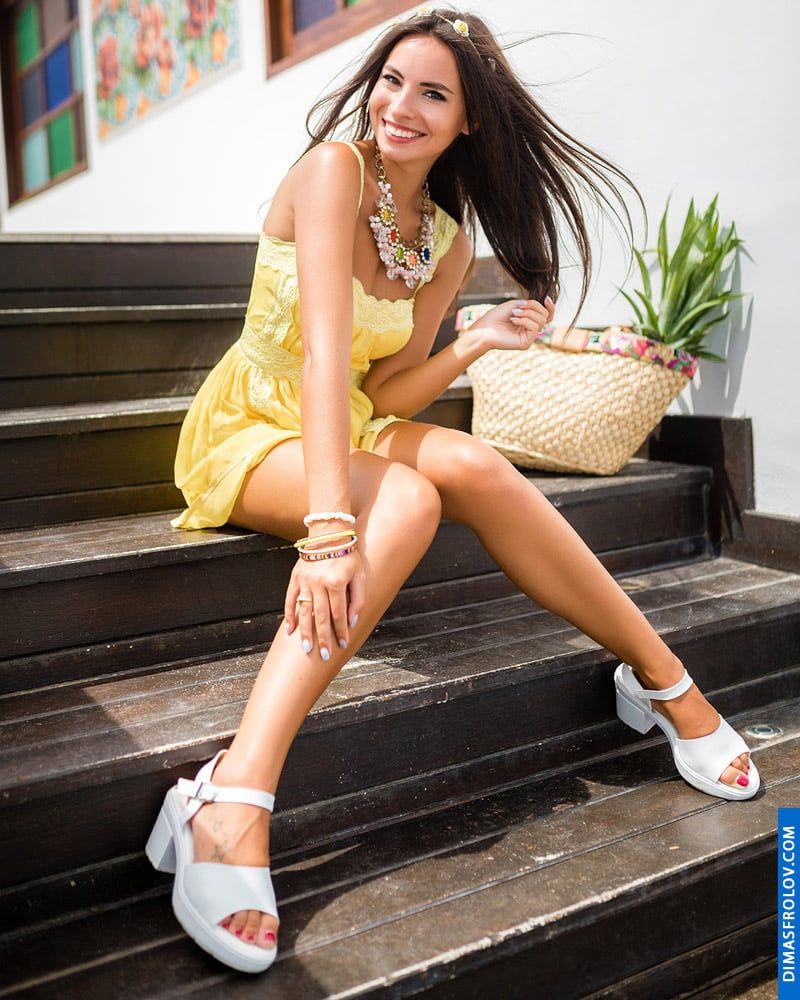
Camera anxiety during a photoshoot is not a personal flaw; it is the predictable result of being observed without knowing what to do with your body. Most people who book a portrait session believe they are uniquely unphotogenic, yet their past discomfort almost always comes from standing still while a photographer waits silently for magic to happen. When you are left to guess how your posture looks or where your hands belong, your brain treats the lens like a harsh evaluator. A guided photoshoot eliminates this tension by taking the responsibility of posing entirely off your shoulders and turning the shoot into a steady, collaborative dialogue.
The root of camera stiffness is uncertainty, not physical awkwardness
When clients arrive at a shoot feeling tense, they usually worry about making an awkward face or not knowing where to rest their hands. In daily life, nobody thinks about what their left shoulder is doing while drinking an espresso or talking with a colleague. The moment a camera appears, that automatic physical coordination vanishes, replaced by hyper-awareness and muscle tension. If a photographer says nothing beyond "just act natural," the stiffness only intensifies because natural behavior ceases to exist under direct scrutiny. My role is to dismantle this uncertainty by giving clear, physical anchors that bypass the overthinking phase immediately.
Clear guidance replaces performance pressure with simple mechanics
Direction should never feel like a performance test where you are graded on how well you strike a pose. Instead, it works best through small, biomechanical adjustments: leaning an elbow against a stone ledge, stepping slowly off a curb, or shifting your weight to the back foot to relax your spine. During a portrait session for women or men seeking clean, understated portraits, I continuously give micro-instructions so there is never an awkward silence where doubt can creep in. You do not need to practice poses in the mirror before arriving, because authentic posture comes from reacting to simple physical tasks rather than holding an artificial position.
[IMAGE_PLACEHOLDER: "A side-profile street portrait of a woman in a neutral beige wool trench coat, leaning comfortably against a rustic plastered wall in soft morning light, relaxed posture, candid and natural atmosphere, captured with a 50mm lens"]
Lisbon mornings provide the quiet backdrop needed to relax
Public scrutiny is another major trigger for camera fear, which is why location and timing matter just as much as posture. Booking an early morning shoot around 8:00 AM through the quiet residential streets of Graça or the lower edges of Alfama means we work with virtually empty alleys. The early Atlantic sun bounces softly off pale limestone paving and pastel stucco, offering forgiving light that does not require squinting or heavy equipment. When you do not have crowds of tourists watching you, your shoulders drop naturally, and the environment feels more like a calm walk through the city than a production set. In a relaxed lifestyle portrait session for men, this quiet setting allows a confident demeanor to emerge without rushing or stage fright.
Real connection happens in the spaces between deliberate setups
Stiff poses occur when a person tries to freeze in place and hold an expression for too long. Human faces are dynamic; they communicate through transient micro-movements that disappear the moment someone tries to preserve them on command. When I photograph two people during a session for couples, I focus on the transition moments – the laughter right after an instruction feels slightly silly, the glance exchanged while walking across the cobblestones, or the pause to adjust a jacket collar. By keeping you moving and engaged in conversation, the camera catches genuine emotion rather than a painted-on smile that strains your jaw after three seconds.
[IMAGE_PLACEHOLDER: "A man in a navy knit sweater and dark trousers walking down an empty, narrow cobblestone lane with quiet morning shadows, captured in mid-stride looking slightly away, natural movement, warm soft daylight"]
What a calm, structured workflow looks like on the street
A professional session should feel organized without ever feeling rigid. We start slowly, usually spending the first ten minutes chatting about your week or the route we are taking, capturing a few loose frames just to calibrate the light and help your nervous system settle. I regularly show a few unedited frames on the camera screen early on, not to judge, but to give you tangible proof that you do not look awkward and that the angles are working in your favor. Knowing that you are in safe, experienced hands changes your posture faster than any verbal encouragement ever could. Once you see that the framing works, the mental resistance fades, allowing your genuine rhythm to take over for the rest of our time together.
The lasting difference between surviving a shoot and enjoying it
A successful photograph should not leave behind a memory of stress, fatigue, or self-consciousness. Years down the line, an image holds value only when it reminds you of how comfortable and present you felt in that particular season of your life. When you leave a session feeling heard, grounded, and unhurried, the resulting images naturally reflect that ease back to anyone who views them. Working with an experienced photographer in Lisbon turns what could have been an intimidating task into a grounded, pleasant routine where your real character takes center stage.