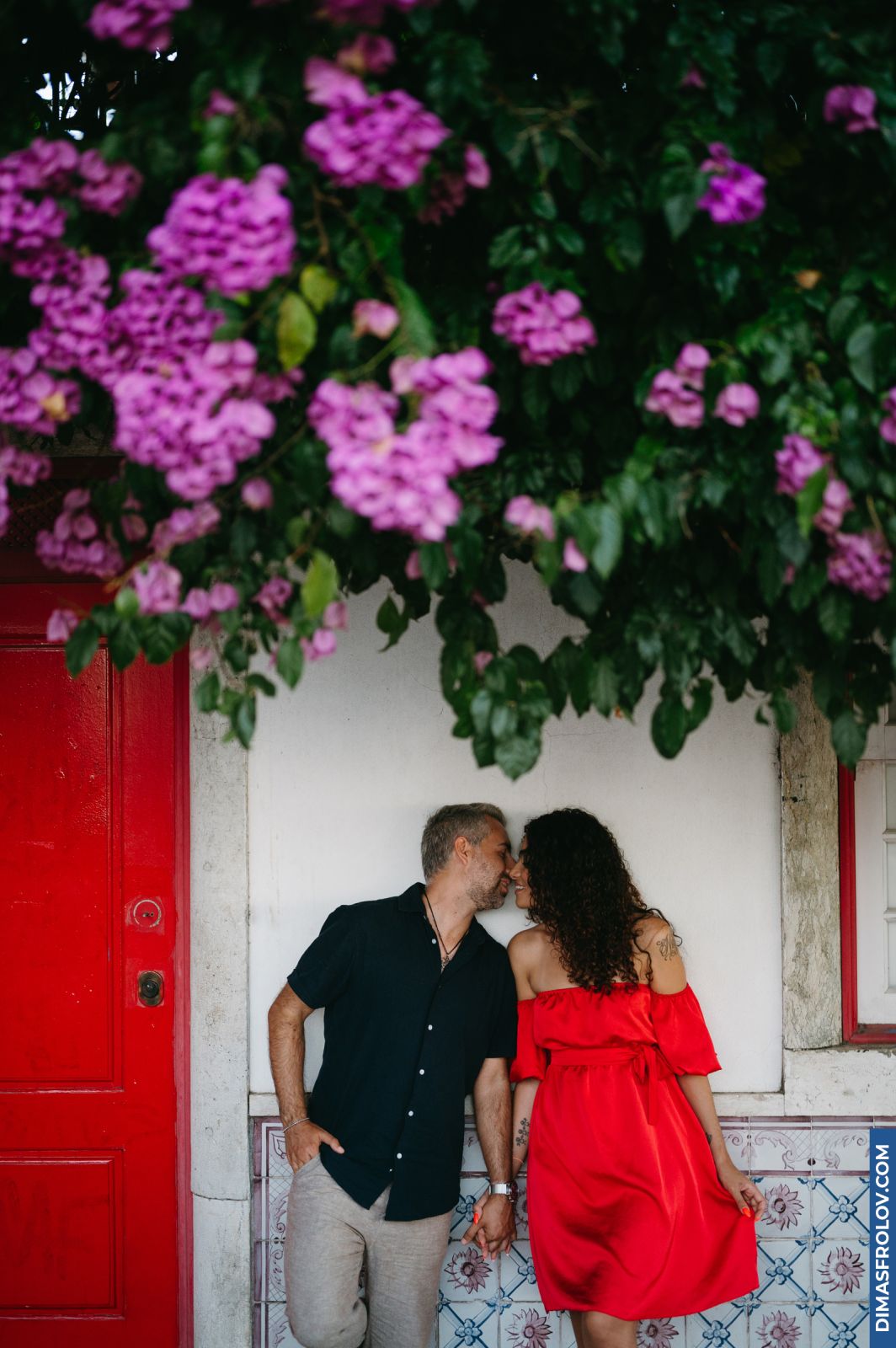
I retouch every single delivered photo, but my absolute rule is that if you can tell a frame has been retouched, the work has failed. The goal is never to rebuild your face or smooth your skin into a flat plastic mask, but to present you on your best day under optimal light. People often look at my portfolio and assume my clients simply have genetically immaculate skin and that Lisbon's streets happen to be impeccably clean on shooting days. Neither assumption is true. Every final image undergoes thorough post-production to remove fleeting distractions while preserving your genuine physical character intact.
Good skin work preserves texture and respects human biology
The fear of ending up looking like an artificial mannequin or an exaggerated smartphone beauty filter is one of the most common concerns clients bring to me. That plastic look happens when an editor relies on automated skin-blurring algorithms or indiscriminately drags a smoothing slider across the entire frame. Real human skin is not smooth glass. It has visible pores, microscopic tonal shifts, subtle variations in pigmentation, and natural micro-shadows created by bone structure. When an editor blurs those away, the face loses its three-dimensional volume and becomes an uncanny digital illustration.
My approach centers on frequency separation and detailed manual healing. This means separating the high-frequency surface details, such as genuine pore texture, from the underlying low-frequency colors and shadows. If you happen to have a sudden stress breakout, a temporary mosquito bite, or dry lips on the morning of our session, those disappear completely. What remains untouched are your actual physical traits: the laughter lines beside your eyes, your natural dimples, and your facial structure. I gently soften transient dark circles caused by travel fatigue or an early wake-up call, but I never delete the natural crease under the eye because doing so erases the emotional expression of the glance.
When working on individual portrait sessions for women, I pay close attention to makeup transition lines and stray hairs whipped across the lips by coastal gusts. The Atlantic wind sweeping through the miradouros can easily send loose strands across your face in the middle of a genuine laugh. Clearing those distracting hairs without touching your facial features maintains an effortless appearance without making the photograph look synthetic.
[IMAGE_PLACEHOLDER: "Tight, cinematic portrait of a woman in her early thirties sitting near a sunlit window in an old European apartment, detailed skin texture visible with natural pores, soft light highlighting cheekbones, realistic and unpolished yet elegant aesthetic"]
The environment requires cleaning so the focus remains entirely on you
The reality of a vibrant European capital is that historic streets are rarely spotless. When you look at an evocative street portrait taken in the middle of Alfama or along the pavements of Baixa, your eye should settle instantly on the person and the mood of the moment. You should never be pulled out of that connection by a crushed plastic cup in the gutter, an abandoned cigarette package, or a bright green construction barrier tucked into a historic archway.
Background retouching is a substantial part of my post-production workflow that clients rarely think about until they see the final delivery. Historic neighborhoods in Lisbon are covered in electrical cables running haphazardly across antique tile walls, modern air-conditioning units mounted on eighteenth-century stone facades, and vibrant graffiti tags scrawled across painted doorways. While some texture gives an image character, high-contrast urban clutter pulls visual weight away from you.
I systematically remove these discordant elements by hand. If a delivery truck idles in the distant background of an intimate street scene, or a brightly colored plastic trash bin catches the morning sun right behind your shoulder, I paint it out. Removing these visual interruptions creates a timeless, editorial atmosphere where the setting supports your presence rather than competing with it.

Temporary flaws disappear while permanent characteristics remain untouched
There is a firm boundary between what belongs on your body and what happens to be there by accident on the day of the shoot. My standard guideline is clear: if a mark will not be on your skin two weeks from today, it gets removed. If it is part of who you are, it stays unless you explicitly ask me beforehand to adjust it.
Bruises, temporary scratches from a pet, redness from sunburn, dry patches, and blemishes fall into the category of temporary interference. No one wants to look back on a portrait taken during their time in Europe and remember that they had a minor allergic reaction to a local wine or scratched their shin on a ferry gate. Those elements are distracting artifacts of a single afternoon, not a reflection of your identity.
Permanent features are entirely different. Freckles across the bridge of your nose, distinctive birthmarks, character scars, and expression lines give your face depth and individuality. During portrait sessions with male clients, retaining forehead character lines and honest stubble texture is crucial for maintaining strength and authentic presence. Erasing these features makes an adult look infantilized or artificial. If you have a specific insecurity about an old scar or an asymmetry, we talk about it directly before the session so I understand how to position the light to naturally flatter it rather than trying to digitally carve it out later.
[IMAGE_PLACEHOLDER: "Relaxed lifestyle shot of a man standing against a weathered stone wall in soft morning light, natural skin detail, realistic clothing folds on a linen shirt, subtle urban background without distracting clutter"]Precise light on location reduces the need for heavy digital manipulation
Heavy, artificial retouching is usually an emergency attempt to fix mistakes made with the camera during the shoot. When a photographer does not understand directional lighting, harsh mid-day sun creates dark shadows beneath your eye sockets, highlights uneven skin surfaces, and washes out color balance. Salvaging those mistakes on a computer monitor requires drastic corrective measures that inevitably make the final photograph look overworked.
I organize shoots around deliberate lighting conditions. Scheduling sessions during the soft illumination of early morning along the Tagus River or during late afternoon when the sun filters through the hills keeps the natural light soft and flattering across your features. Soft directional light fills in minor skin imperfections organically, creating gentle gradients on cheekbones and clean catchlights in the eyes.
Because the physical lighting is controlled on location, my work at the computer remains light-handed and precise. Color grading focuses on establishing rich, authentic tones rather than slathering the image in trendy preset filters. I balance the skin tones against the golden warmth of limestone pavements and the deep blues of the river, ensuring that colors reflect the reality of the scene rather than an artificial laboratory effect.
Real moments require subtle hand finishing rather than mechanical perfection
A natural portrait must feel alive, which means perfection cannot be the primary objective. Stiff symmetry and clinical sharpness kill the spirit of genuine photography. When I photograph couples sharing an unplanned moment on a quiet viewpoint overlooking the red roofs, the emotional authenticity of the interaction is the focal point of the composition.
During these dynamic sequences, clothing wrinkles naturally, coats move, and footsteps shift the balance of the body. My retouching ensures the frame looks tidy without ironing out life. I remove an awkward fold in a jacket that ruins an otherwise beautiful silhouette, eliminate a distracting paper tag peeking out from a collar, and fix sudden shadows cast by an outstretched hand, but I keep the natural drape of the fabric and the genuine movement intact.
The measure of successful retouching is client reaction upon receiving the gallery. When friends and colleagues view your photographs, they should immediately notice your energy, your gaze, and how relaxed you appear. If their first reaction is to comment on the visual effects, the retouching has drawn attention to itself and overshadowed the subject. When you work with me, your final photographs simply show you looking grounded, rested, and authentic in an environment stripped of needless chaos.
You can see how this philosophy translates across diverse lighting conditions and settings throughout my portfolio on the main photography showcase. Real character, preserved skin integrity, and clean compositions consistently outlast digital fashion trends.