
You should update your professional headshots every two years as a baseline, but you should schedule an update immediately if your physical appearance changes noticeably or your career shifts into a new phase. A headshot is essentially visual shorthand for who you are right now. When that image falls behind reality, it creates a subtle disconnect before you even say a word in a meeting, an interview, or a conference panel.
Physical changes break trust when people meet you in person
The primary job of a headshot is recognition. When someone meets you on a video call or across a table at a cafe in Chiado after only seeing your LinkedIn profile, they should not have to spend three seconds processing whether they are talking to the right person. If you have changed your hair color, grown or shaved a beard, started wearing distinct eyeglasses, or simply aged into a different phase of life over four years, your photograph has expired.
Aging is continuous, but our digital representations stay frozen until we deliberately change them. Holding onto a photograph from five years ago because you felt you looked particularly lean or youthful that morning usually backfires. People do not judge someone for looking forty instead of thirty-five; they notice the insecurity of pretending otherwise. When I photograph tailored sessions for portrait sessions for men, the best frames almost always come from accepting lines around the eyes and natural silver in the hair rather than fighting them.
The goal is effortless alignment between your online footprint and your physical presence. When a client or partner meets you and sees the exact person they expected, their initial mental checkmark is cleared without distraction. When there is a sharp contrast between your avatar and reality, the brain registers that inconsistency before the conversation has even started.
[IMAGE_PLACEHOLDER: "A 35-year-old professional woman sitting at a clean outdoor cafe table in soft morning light, wearing a tailored cream blazer, looking directly at the camera with a confident, natural expression, shallow depth of field with neutral city architecture softly blurred behind her"]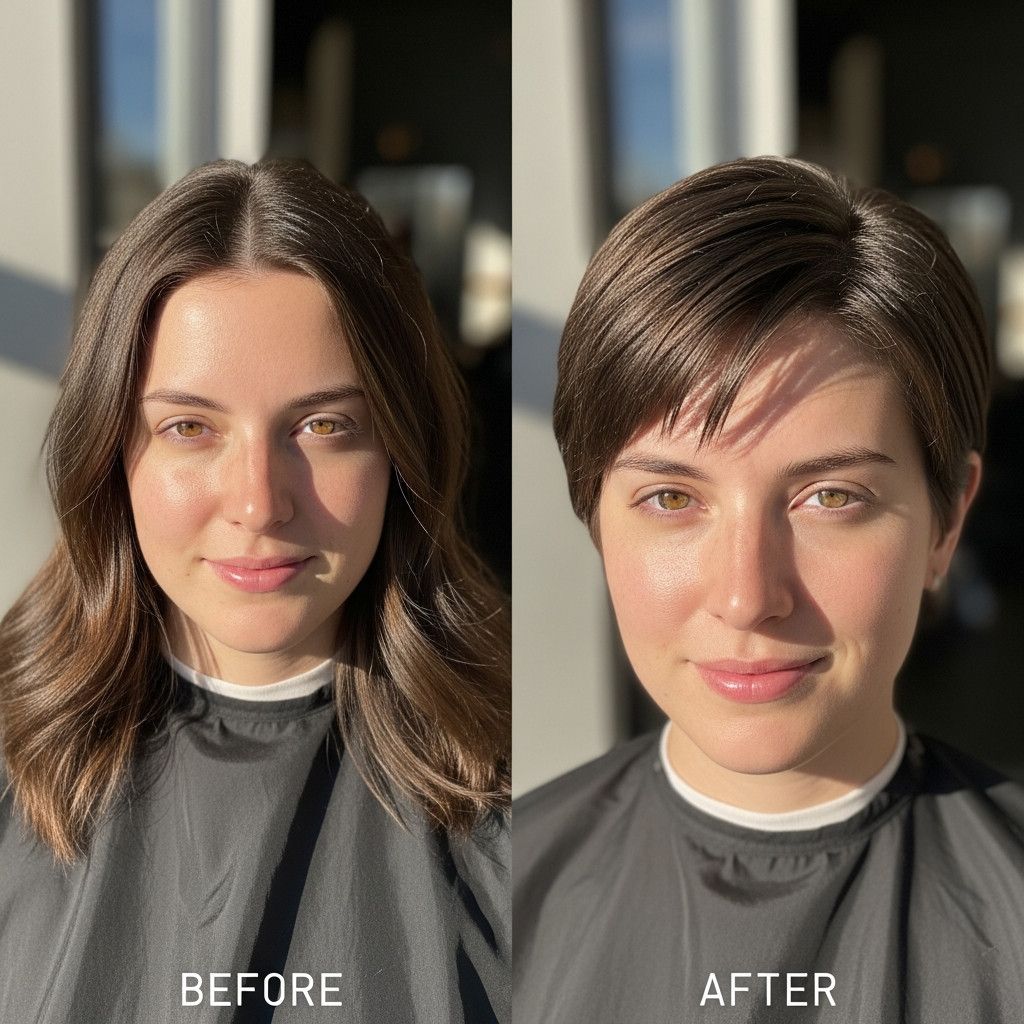
A career shift requires an image that speaks to your new peers
Your headshot should reflect where you are going in your career rather than the job you took right out of university. If you began in corporate finance with a dark suit against a studio backdrop and have since transitioned into independent consulting or tech leadership, that old corporate headshot tells the wrong story. It conveys rigidity to people who are looking for strategic agility.
The opposite is equally true. A casual photo cropped out of a holiday group picture may have worked while building an early-stage venture, but it stops working the moment you start pitching institutional funds or speaking at industry conferences. As your responsibilities evolve, the visual cues you send must mature at the same pace. The tone of an image communicates authority, approachability, and polish far faster than a block of resume text.
When working with clients booking portrait sessions for women who are moving into executive roles or building independent advisory practices, we focus on lighting and posture that project quiet composure. You do not need an artificial power pose to look capable. You simply need a clean, contemporary frame that shows you belong in the room you are stepping into.
Visual styles and technical standards age faster than your face
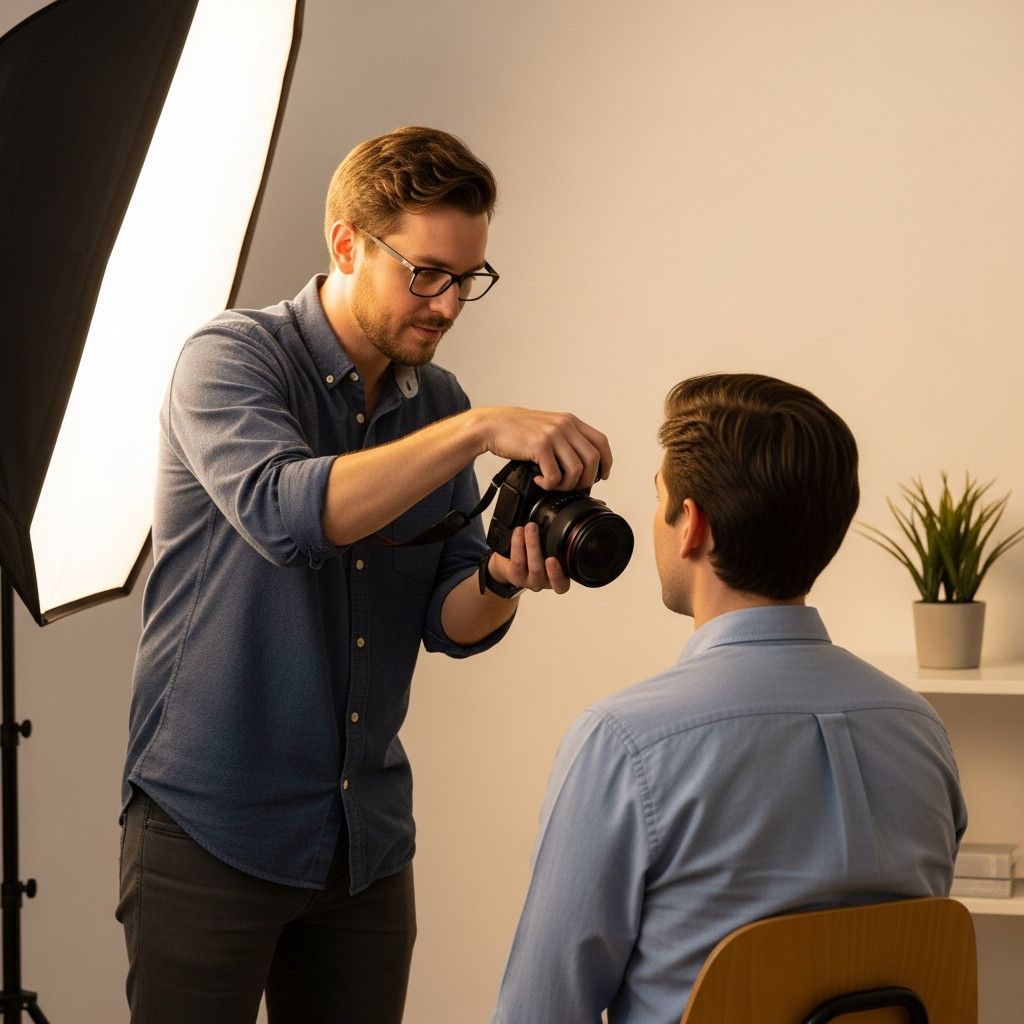
Photography styles date themselves quickly, often faster than the person in the picture. The heavy studio vignetting, saturated blue backgrounds, and over-smoothed digital retouching of eight years ago look distinctly dated today. Modern portraiture leans toward natural light, balanced color tones, and textures that feel real and grounded.
High-resolution displays on modern phones and laptops make poor resolution immediately obvious. A headshot exported at low resolution in 2017 looks pixelated and muddy on today's screens, signaling that your digital presence is neglected. When your photo looks like a legacy asset, people wonder if your workflow, skills, and industry knowledge are equally outdated.
Updating your photographs every two years ensures your aesthetic matches current standards. A natural portrait framed against understated architectural stone, clean glass, or morning shade holds up beautifully across pitch decks, company about pages, and press features without looking like a stock artifact.
[IMAGE_PLACEHOLDER: "A man in his late 30s leaning comfortably against a warm textured limestone wall in an quiet European alleyway, wearing a casual navy wool sweater, natural soft ambient light, relaxed posture, calm thoughtful gaze"]
Industry demands dictate your refresh frequency
Different fields move at different speeds, and your photo schedule should match the cadence of your industry.
Tech founders, consultants, and public speakers
In high-visibility sectors where you are pitching, speaking at events, or publishing thought leadership, a refresh is practical every twelve to eighteen months. Conference programs, podcast features, and press releases constantly demand fresh imagery. Using the exact same headshot across five different media mentions in three years looks stagnant, whereas having two or three current options keeps your professional presence sharp and dynamic.
Corporate leadership, legal, and financial sectors
Traditional corporate roles typically move on a two- to three-year cycle. In these sectors, consistency and stability matter more than frequent visual updates. However, promotions, lateral firm moves, or board appointments provide a natural reason to refresh your portrait. An executive should never rely on an image taken two promotions ago.
Creative directors, architects, and independent professionals
If your business relies on personal taste and aesthetic judgment, an old headshot does real damage. Clients hiring a brand strategist or an architect notice visual neglect immediately. Refreshing your image every one to two years proves that you pay attention to details, aesthetic direction, and presentation standards in your own business.
Planning your update prevents last-minute panic shoots
The worst time to organize a photoshoot is the afternoon after an organizer asks for a high-res speaker image by tomorrow morning. Panic shoots force you into rushed decisions, unflattering outfits, and visible tension in front of the lens. When you scramble, you end up with a stiff expression because you are focused on the looming deadline rather than simply settling into the process.
I see this frequently when professionals reach out because a sudden PR opportunity appeared or an internal company directory is being updated by Friday. When you plan a session deliberately every couple of years, you have full control over the timing, your clothing choices, and your mental state on the day of the shoot. Booking during a quiet week rather than a stressful product launch makes an immense difference in how relaxed your face looks on camera.
A planned session on my photography portfolio usually takes an hour or two in the quiet morning light around neighborhoods like Estrela or Santos. We walk at an unhurried pace, test two or three natural setups, and avoid harsh midday sun. Because there is no panic, your shoulders drop, your jaw relaxes, and the resulting portraits look composed and confident.
Signs it is time to schedule a new portrait session
You can identify the right time for an update by checking a few specific indicators across your current assets. Look at the primary image you use everywhere. If that file was created more than three years ago, it is due for replacement regardless of how little you think you have changed. If you hesitate to share your LinkedIn profile because you dislike the picture, that hesitation is costing you professional momentum.
Another sign is visual fragmentation. Many people have one picture on LinkedIn, another completely different selfie on Slack, a dated photo on their company bio, and a crop from a wedding on their personal site. Having an updated, consistent collection of images unifies your identity across every touchpoint, giving colleagues and clients a cohesive, polished impression of your work.