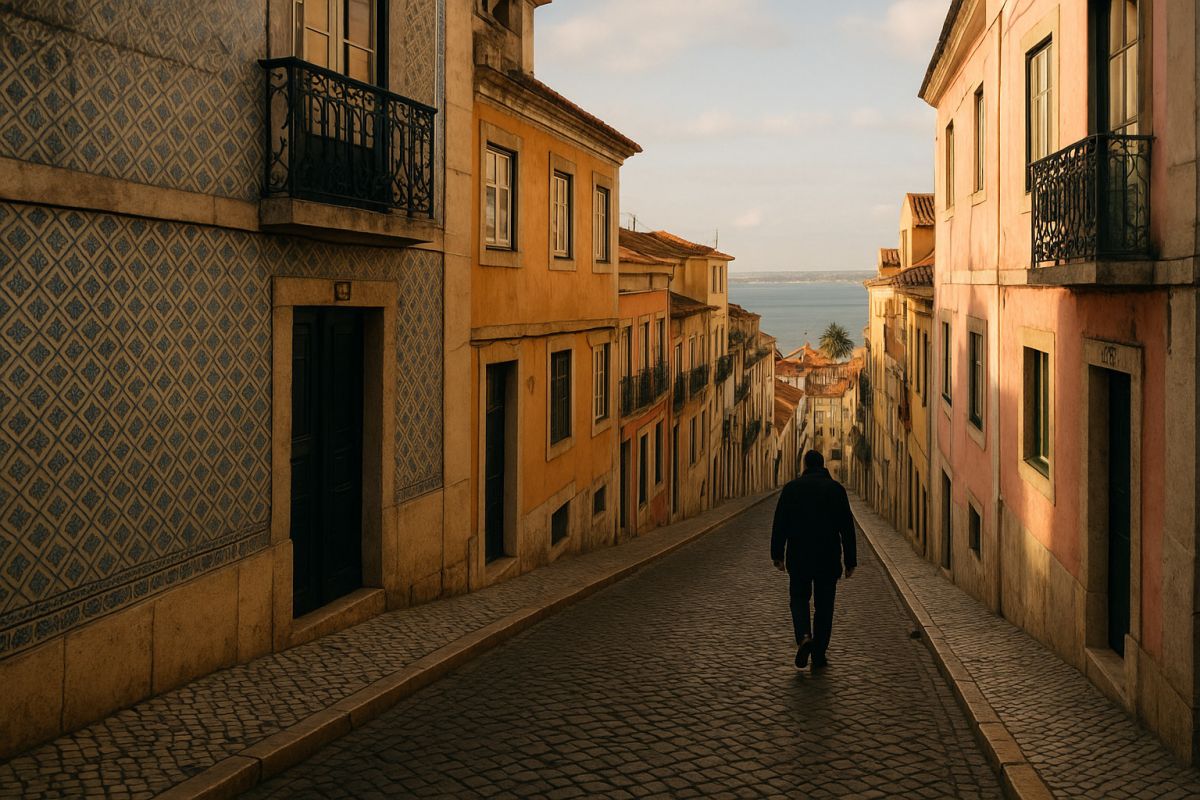
Professional photo editing is not about altering who you are or painting a plastic mask over your skin; it is the deliberate technical correction of light, contrast, and color balance to reflect how a scene felt in real life. Modern digital cameras record raw sensor data that naturally looks flat, desaturated, and mechanically neutral. The photo editing process transforms that raw information into a finished photograph by refining exposure, balancing highlights and shadows, removing momentary distractions, and establishing a consistent mood across the entire collection.
Raw camera files require manual development to reveal their true depth
When I press the shutter during a shoot, the camera does not generate a finished picture. It saves a RAW file, which is an uncompressed digital negative containing millions of tonal values that the human eye would naturally balance, but a digital sensor records rigidly. If you were to look at an unedited RAW file straight from the camera, you would notice dull contrast, muted skin tones, and an overall grayish cast. This is completely normal and intentional on a technical level, because cameras are engineered to preserve maximum dynamic range rather than produce an instant, finalized image.
Developing this digital negative is the foundational stage of my post-production routine. I adjust exposure levels so the highlights on your forehead and shoulders do not lose detail, while opening up the deeper shadows in your clothing or background. White balance must be calibrated manually according to the ambient light, shifting color temperatures away from unnatural yellow tints or cold blue tones. By calibrating these baseline values first, I create a clean, accurate foundation where skin tones look healthy and colors match the atmosphere of the day.
[IMAGE_PLACEHOLDER: "A close-up split-screen view of a digital editing workspace showing an outdoor portrait before and after color correction, displaying subtle exposure adjustment and accurate skin tones without heavy filters"]
Culling separates genuine expressions from transitional moments
The first practical step after transferring files to my storage drives is culling, which is the selective reduction of hundreds of frames down to the strongest images. During an active two-hour session, I often take several hundred photographs to ensure I capture genuine micro-expressions between formal poses. People blink, turn their heads mid-sentence, shift their weight, or adjust their coats. Leaving those transitional frames in a gallery only creates visual fatigue for the viewer.
I review the shoot in multiple passes, evaluating each frame for sharpness, emotional honesty, and composition. The first pass eliminates technical errors like missed focus or awkward blinks. The second pass compares nearly identical frames side by side to determine which subtle smile or angle feels the most grounded. My objective during culling is not to hand over an overwhelming archive of every frame I shot, but to curate a focused narrative that highlights your best, most relaxed self.

Natural skin retouching preserves authentic character instead of erasing it
The primary concern most clients share before a session is the fear of looking artificial. In commercial advertising and automated smartphone software, skin smoothing often obliterates pores, softens jawlines, and leaves faces looking like melted wax. My approach to retouching is the exact opposite: true professional retouching should be completely invisible to someone looking at the final picture.
I use advanced dodging and burning techniques, which involve working on micro-levels of brightness and darkness across the skin without touching the underlying surface texture. This allows me to soften dark under-eye circles caused by travel fatigue or minimize transient blemishes like sudden breakouts, razor burn, or dry patches. However, I leave permanent features alone. Freckles, expression lines around the eyes, smile contours, and distinctive beauty marks belong to your personal identity and give your face character. During a personal session for individual portraiture or professional profiles, the goal is always to deliver an image where you look thoroughly rested, well-lit, and entirely yourself.
[IMAGE_PLACEHOLDER: "A photographer's hands working on a graphics tablet and color-calibrated monitor, focusing on precise, detailed skin texture adjustments on a natural lifestyle portrait"]
Color grading translates local light into emotional atmosphere
Color grading is the artistic phase where individual tones are guided to evoke a distinct atmosphere while remaining grounded in reality. In Lisbon, the light has a reputation for being exceptionally luminous, bouncing off bright limestone pavements and pale yellow stucco facades in neighborhoods like Mouraria and the lower streets of Alfama. While that light is magnificent in person, digital sensors often render those bright surfaces as harsh, blinding white patches with overly saturated shadows.
During the color grading stage, I soften the harshness of midday reflections, enrich deep earth tones, and cool down ambient highlights to produce a clean, cinematic palette. If we shoot late in the afternoon around Jardim do Torel or along the Tagus riverfront, the warm sunset hues need to be gently managed so they do not overpower subtle clothing colors or make skin appear overly orange. When editing sessions for couples in outdoor environments, harmonizing the surrounding architectural colors with what each person is wearing ensures that the visual attention stays squarely on human connection rather than a distracting background hue.
Clean finishing touches eliminate visual noise from the frame
Even in carefully chosen locations, the real world contains everyday visual clutter that distracts the viewer from the subject. While a street scene feels charming when you walk through it, a photograph freezes every detail permanently. An errant cigarette butt on the calçada, a stray electrical cable dangling across an 18th-century wall, or a bit of lint resting on a dark wool coat immediately pulls the viewer's eye away from the expression on your face.
The final phase of editing involves meticulous clean-up. I scan the frame from corner to corner, removing transient debris, reflections on eyeglasses, and unexpected background intrusions that do not contribute to the story. I do not reshape bodies, alter clothing designs, or falsify the environment, but I do ensure that the space around you is orderly and serene. These small technical corrections preserve the natural feel of the environment while directing all focus back to you.
Cohesive gallery curation ensures every photograph belongs together
A successful photo shoot results in a collection of images that tell a unified story, not a disjointed collection of individual experiments. When you scroll through your completed gallery, every picture should feel like it was created during the same afternoon, under the same sky, with a singular artistic perspective. Achieving this level of consistency requires meticulous batch adjustment across different lighting situations.
During a walk, we may move from open, sunny viewpoints into shaded, narrow cobblestone alleys within five minutes. The ambient light temperature shifts dramatically between those two environments, jumping from warm direct sunlight to cool, blue-tinted open shade. In post-production, I cross-reference photos from different segments of our walk side by side to ensure skin tones, black levels, and contrast ratios transition smoothly from frame to frame. If you decide to explore my photography portfolio and approach, you will see that each finished body of work feels balanced, whether viewed on a small smartphone screen or printed in an archival family album.
Professional photo editing finishes the photograph quietly. When done with technical precision and restraint, it does not call attention to software or color manipulation; it simply delivers an honest, polished reflection of how that specific day felt.