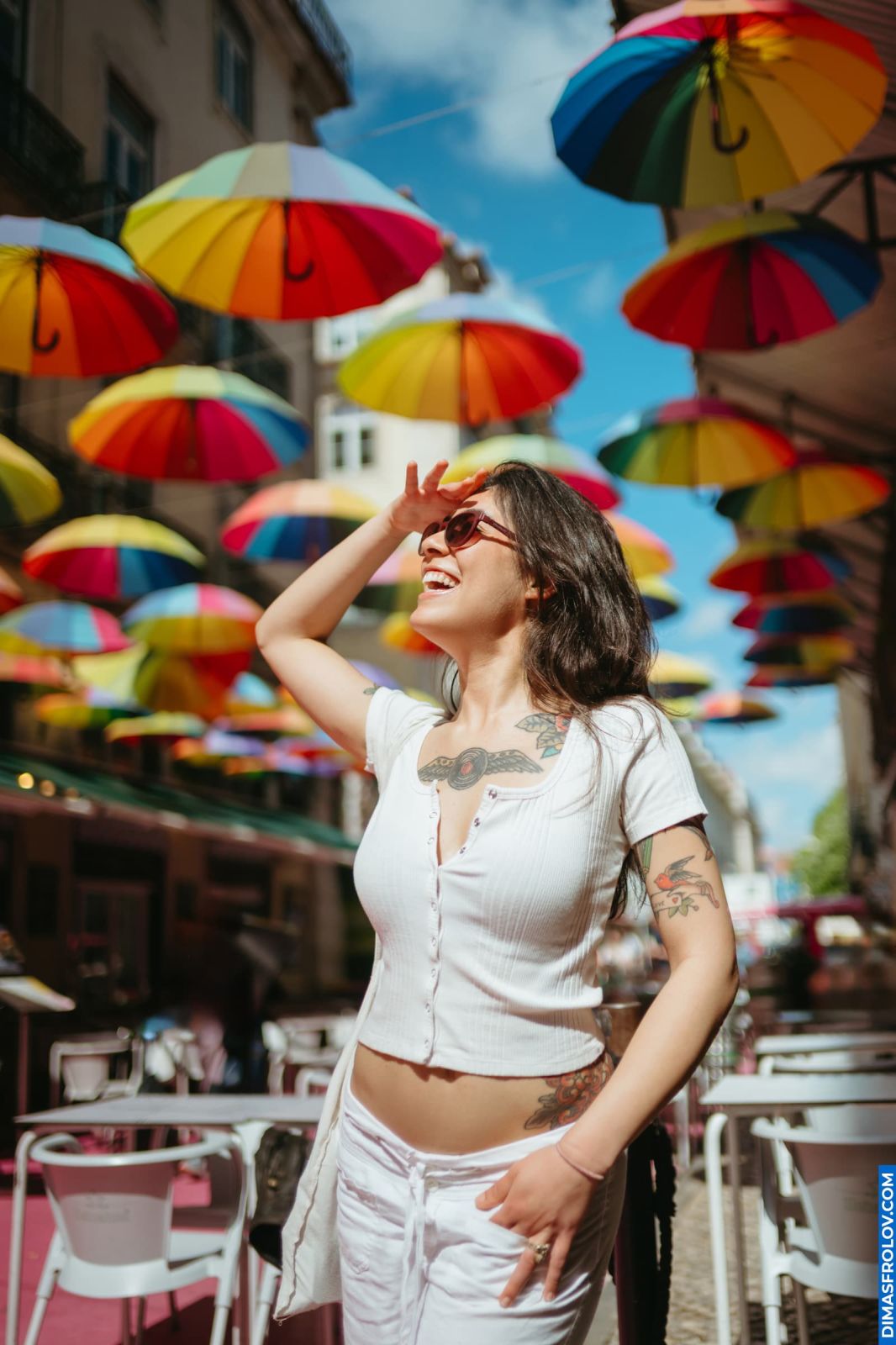
Posing naturally for portrait photos is entirely about weight distribution, micro-movement, and giving your hands a clear purpose so your nervous system forgets the camera is there. People look stiff in photographs not because they are unphotogenic, but because holding a static posture forces muscles to lock up within three to four seconds. When you understand how your body rests when nobody is watching, natural posing becomes a predictable mechanical adjustment rather than an exercise in performance anxiety.
Weight distribution dictates whether a posture looks relaxed or defensive
The fastest way to look rigid on camera is to stand with your weight distributed equally between both feet. When weight is balanced fifty-fifty, the shoulders square up directly toward the lens, creating a broad, defensive silhouette reminiscent of a government identification photo. In everyday life, you almost never stand like this; you naturally dump your weight onto one hip while chatting by a counter or waiting for an espresso.
To recreate that ease intentionally, transfer roughly seventy percent of your weight onto your back foot. This subtle shift immediately drops the corresponding hip, angles the torso slightly away from the camera, and introduces natural asymmetry into your spine. When your spine has a gentle curve, your neck relaxes, and your shoulders drop away from your ears without needing a conscious command to relax.
When walking across uneven ground, such as the basalt cobbles around Chiado or Principe Real, this principle translates into intentional pacing. Rather than walking normally – which often leads to awkward mid-stride captures with feet hovering mid-air – I have clients shift their weight through slow, deliberate steps, briefly pausing with the rear heel slightly raised. This gives the illusion of effortless motion while keeping the body stable enough for sharp, flattering focus.
[IMAGE_PLACEHOLDER: "A full-length portrait of a stylish person standing on a quiet cobblestone street, casually leaning weight onto the back leg, torso slightly angled away from the camera in soft morning light."]Hands look natural only when they have a tactile assignment
The moment someone points a lens at you, your hands suddenly feel like foreign objects attached to your wrists. The instinct is either to let them hang limp against your thighs or to jam them deep into your pockets, both of which communicate tension in a portrait. Hands need physical contact with something real – fabric, an accessory, or an architectural surface – to settle naturally into a frame.
When I work with clients for individual portraits, we focus on partial interactions rather than forced placements. Instead of shoving both hands completely into trouser pockets – which hides the wrists and makes the hips look wider – slide just the thumbs into the pockets, or hook four fingers inside while leaving the thumb out. This anchors the arm at an attractive angle that creates negative space between your torso and your elbows, instantly slimming the silhouette.
If pockets are not an option, give your fingers something light to touch. Lightly adjusting a cuff, touching the rim of a watch, holding the lapel of an unbuttoned jacket, or simply resting the pads of your fingers against a worn limestone wall in Alfama provides enough tactile feedback to eliminate nervous energy. The key is gentle pressure; your hands should rest on surfaces rather than grip them.
Micro-movements prevent your face and body from freezing
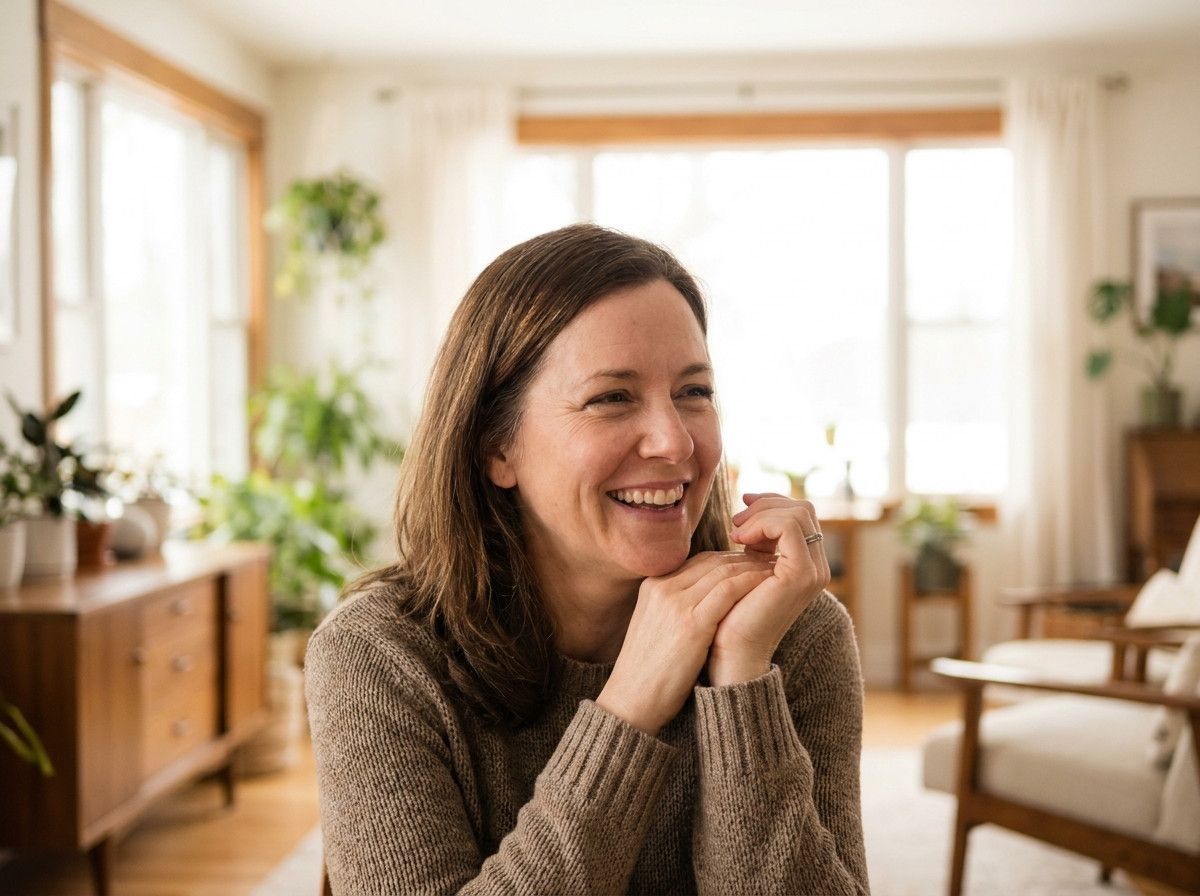
A pose is not a permanent statue; it is a fluid state that requires continuous resetting every few frames. When a photographer tells someone to "hold still," the subject usually freezes their posture and their breath simultaneously, causing the neck muscles to tighten and the eyes to lose focus. True natural posing relies on continuous micro-adjustments around a single base position.
Once you establish a comfortable foundation – such as leaning a shoulder against a doorway – you keep that foundation while moving everything else by millimeters. Turn your chin three degrees toward the light, look down toward the pavement for two seconds, roll your shoulders back and down, and then bring your eyes back up to the horizon. These tiny resets continuously re-engage your facial muscles and prevent that glazed, strained expression that develops during prolonged stillness.
During a session, I keep a steady conversational rhythm precisely to prompt these small resets. When you speak a sentence or react to a passing comment, your mouth changes shape, your eyelids reset, and the subtle muscles around your jaw release their grip. The goal is to capture the split second right after you stop moving, not the moment you try to freeze yourself in place.
[IMAGE_PLACEHOLDER: "A close-up portrait of a woman looking slightly down and to the side, soft directional sunlight highlighting the texture of her hair, lips parted naturally without a forced smile."]Facial tension disappears when you breathe through parted lips
The most common barrier to authentic portraits is the forced social smile, which engages the lower mouth while leaving the eyes completely flat. When people try to smile on command, they clench their teeth together, which tightens the masseter muscle along the jawline and broadens the lower face in an unflattering way. Real expression begins with releasing the jaw completely.
Separate your back teeth so there is a few millimeters of space between your upper and lower jaw. Let your lips part slightly and breathe gently in and out through your mouth rather than your nose. This tiny physical action instantly softens the cheeks, smooths the forehead, and removes the look of concentration from the eyes. It creates a calm, contemplative baseline from which a genuine smile can naturally emerge if something amusing happens.
In our work together, particularly on personal sessions for creative portraits, I rarely ask for big smiles early in the shoot. We spend the first twenty minutes working with neutral, quiet expressions. Once you see on the camera screen that you look composed and confident without having to grin continuously, the pressure drops entirely, and the genuine, unforced smiles follow effortlessly.
Architecture and street furniture provide grounded support
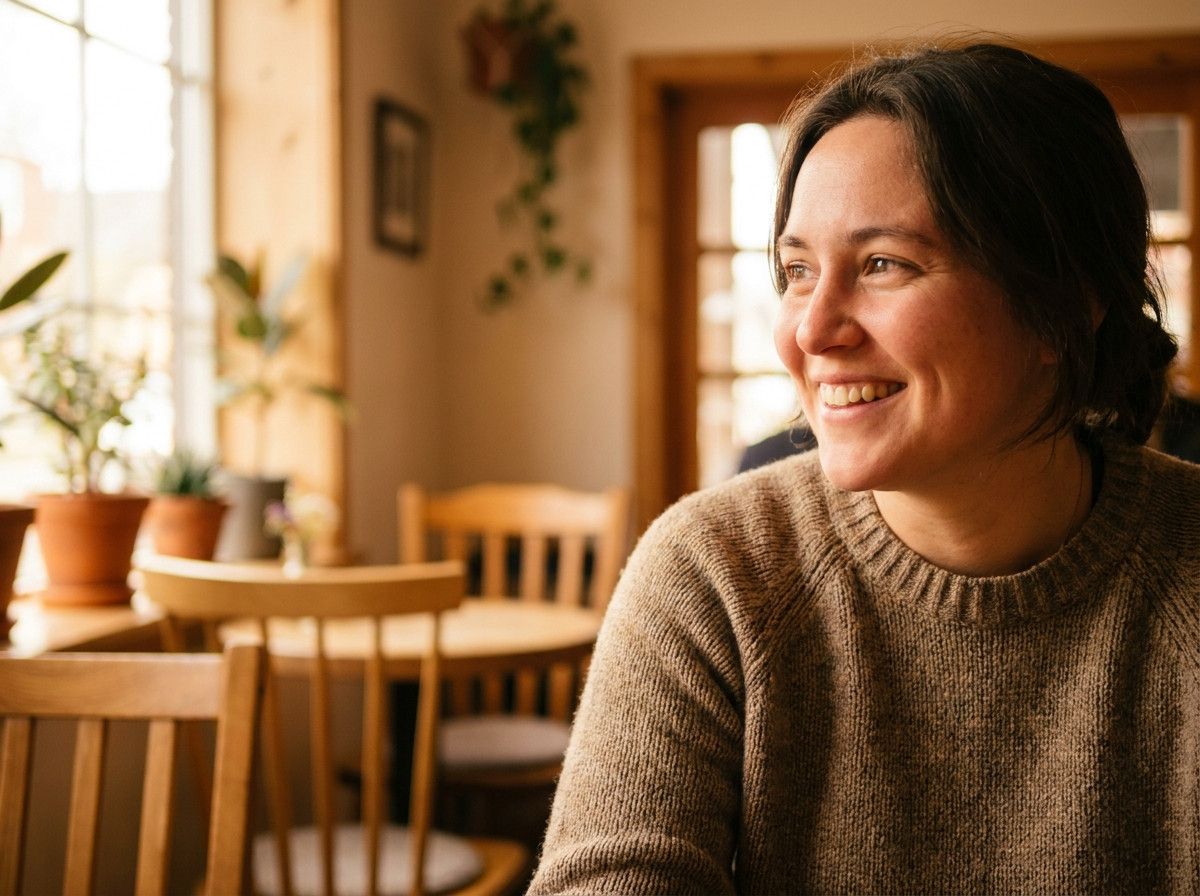
Standing in the open middle of a street with nothing around you makes even experienced models feel exposed. Utilizing the physical environment gives your body an excuse to rest, which immediately translates into believable body language. A weathered bench, a stone balustrade, or the incline of a quiet alley offers practical leverage points that solve the problem of what to do with your body.
When leaning against a wall or railing, make contact with only one point of your upper body – typically the back of one shoulder or the outer edge of a hip – rather than pressing your entire back flat against the surface. Pressing flat against a wall crushes your posture and creates awkward right angles. By maintaining just one point of light contact, you retain the ability to angle your chest toward the light while letting the structure absorb your physical weight.
Seated poses offer even greater variety when approached correctly. Rather than sinking into a chair or onto a step, sit on the front third of the surface with your spine elongated and your feet resting flat at staggered depths. Bringing one foot slightly back beneath your knee automatically engages your core, keeping your back upright without looking stiff or formal.
[IMAGE_PLACEHOLDER: "A subject seated casually on an old stone ledge in an urban courtyard, one leg extended slightly forward, elbows resting lightly on knees with a relaxed spine."]Directed guidance produces far better portraits than pure candid wandering
Many people believe that the best lifestyle portraits are entirely unposed candid shots taken while the subject ignores the camera. In reality, pure candid shooting on city streets usually results in unflattering angles, half-closed eyes, and awkward silhouettes against busy backgrounds. Truly natural portraits are almost always the result of controlled direction that mimics real life.
When photographing couples during engagement and anniversary shoots, I do not tell partners to look at each other and act naturally. That prompt almost guarantees awkward giggling and frozen postures. Instead, I give clear physical parameters: walk slowly from that shadow into the patch of afternoon light near Praça das Flores, keep your shoulders touching, and focus on matching your walking rhythm. Clear boundaries remove guesswork, allowing authentic interaction to happen inside a carefully lit frame.
A skilled photographer takes full responsibility for the geometry of the image – the angles, the backlight, the background lines – so you can focus entirely on your physical comfort. When you trust that someone is actively watching your posture, adjusting your collar, and telling you exactly where to place your weight, you no longer need to worry about how you look. You simply exist within the scene, and that ease is what ultimately shows up in the final image.
Learning how to pose naturally is not about adopting a persona or practicing complex poses in front of a bathroom mirror. It is about understanding how subtle mechanical shifts – dropping your weight onto one leg, softening your jaw, and resting your hands against real textures – allow your authentic self to be seen clearly. When the physical foundation is solid, comfortable portraits follow naturally, capturing the way you actually felt during that quiet hour on the street.