
Dyeing your hair right before a photoshoot is a risk you should avoid, with the ideal window being seven to ten days prior to our session. That week-long buffer gives fresh pigment time to settle, lets the chemical sheen soften through a few regular washes, and ensures any dye stains on your scalp or hairline have completely faded. If an appointment goes sideways twenty-four hours before we meet, there is virtually no time to correct it without piling on unnecessary stress. When you give yourself a week, you step in front of the lens knowing exactly how your hair behaves and frames your face in open daylight.
Freshly dyed hair behaves differently under natural light
Fresh pigment sits heavily on the surface of the hair shaft for the first forty-eight hours, which creates an unnaturally dense, reflective quality in front of the camera. When I shoot outdoors in Lisbon, whether along the pale stone alleys of Alfama around nine in the morning or under the late-afternoon sun near Santa Catarina, direct light strikes hair cuticles at pronounced angles. Freshly bleached or toned hair can look glassy or flat under this intense Mediterranean illumination because the outer cuticle layer has not yet settled back down. After two or three washes at home, the hair texture softens, rebalances its natural oils, and regains its genuine movement.
[IMAGE_PLACEHOLDER: "Close-up portrait of a woman with naturally styled soft balayage hair catching warm morning sunlight in an outdoor historic street setting, soft natural background"]Scalp staining is another silent issue that clients frequently overlook when scheduling a salon visit the evening before portrait sessions. Dark pigments, rich coppers, and cool brunette toners often leave faint outlines along the ears, neck, and part line that standard salon shampooing does not entirely remove. While those faint marks might go unnoticed in a dim bathroom mirror, a high-resolution camera lens paired with clear morning light isolates that pigment immediately. Giving the color several days to rinse clean from the skin keeps your hairline natural and saves our shoot from tedious post-production cleanups.

A buffer of seven to ten days protects your confidence and expression
The greatest risk of an eleventh-hour salon visit is rarely technical; it is psychological. If you leave the salon the day before our shoot feeling that your toner pulled too dark, too ash, or noticeably warmer than what you requested, that discomfort follows you straight into the shoot. When someone feels unfamiliar with their own reflection, their body language shifts right away. Shoulders pull up, smiles become guarded, and posture stiffens as they subconsciously try to shield specific angles from the lens. A relaxed shoot depends on you feeling grounded in your appearance, which becomes difficult if you are still mentally adjusting to a color surprise.
With a seven-to-ten-day buffer, you gain a comfortable safety net if the outcome requires a slight tweak. That timeline allows for a clarifying wash to lift excess toner, a quick return to your colorist for a gentle gloss adjustment, or simply the time your eyes need to get used to the change. By the morning we meet near Jardim do Torel or stroll through the quiet residential streets of Estrela, you have already styled your hair several times, seen it in daylight, and confirmed that it looks like you.
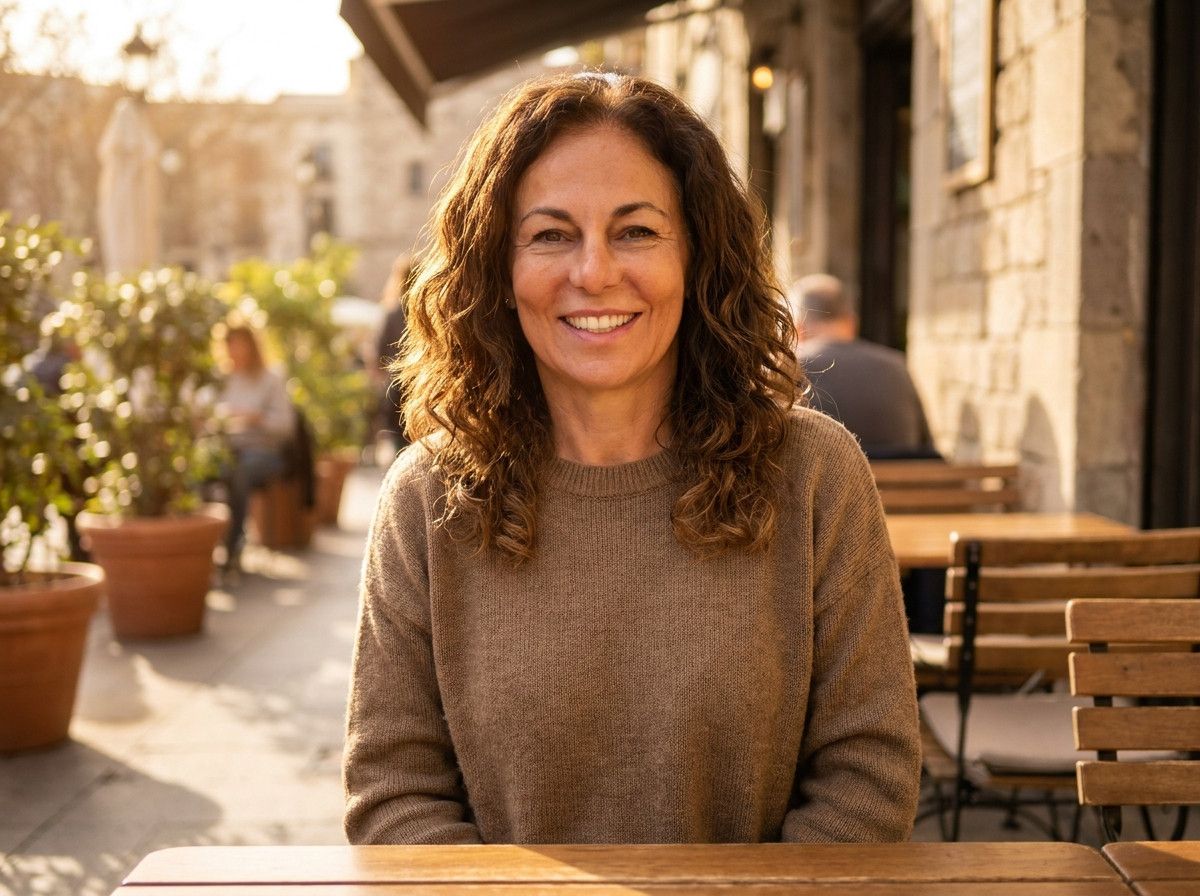
Camera sensors pick up chemical undertones that indoor mirrors soften
Digital camera sensors process light differently than human vision, particularly in shaded outdoor environments. Salon lighting is carefully balanced and diffused to make fresh color look rich and warm. Step out into the cool ambient shade beneath Lisbon's jacaranda trees, however, and freshly applied cool-toned dyes can suddenly spike with cyan, green, or violet undertones that were invisible indoors. Digital sensors separate color channels with mathematical precision, making subtle chemical undertones more visible than you might expect.
[IMAGE_PLACEHOLDER: "A man with clean, natural textured dark hair walking along a quiet cobblestone street, side profile shot with soft morning ambient light and stone architecture"]This dynamic is equally relevant during sessions for men who decide to blend graying temples or darken their beards right before stepping in front of the lens. Beard dyes and rapid gray-coverage products oxidize rapidly, frequently turning reddish-purple or unnaturally ink-black under bright sky illumination. Hair that looks subtle under home vanity bulbs can appear painted-on when exposed to high-contrast sunlight against white limestone pavements. Letting dye wash down over several days softens harsh boundaries and blends synthetic pigments seamlessly with your skin tone.
Root maintenance follows a distinct rule from dramatic transformations
A routine root touch-up with your trusted colorist carries far less technical danger than an ambitious shade transition. If you are simply covering regrowth or maintaining an established base that you have worn for months, doing so four to five days before our shoot is perfectly fine. Your stylist already understands your hair porosity, the exact developer formula, and how your scalp responds, meaning the likelihood of an unexpected result is low. The primary reason to still avoid doing it the day before is simply giving your scalp a day or two to rest and letting any hairline residue rinse away cleanly.
Dramatic transformations – such as transitioning from dark brunette to blonde, introducing vibrant copper tones, or getting heavy highlights for the first time – demand at least three full weeks of breathing room. A major chemical service fundamentally alters the texture, elasticity, and volume of your hair, often leaving it temporarily dry or resistant to holding a style. Giving yourself three weeks guarantees that the hair undergoes the necessary conditioning treatments, allows the toner to settle into its genuine shade, and ensures you know how to style your new cut and color without friction.
Hair color mishaps require practical styling rather than heavy digital fixes
If an appointment goes wrong a few days before our scheduled shoot, early communication with your photographer is the most effective approach. While modern editing allows for subtle tonal balancing and true-to-life skin corrections, complete hair color reconstruction across an entire lifestyle gallery is neither practical nor visually pleasing. Trying to alter a muddy brown into a luminous honey blonde across dozens of dynamic, windblown outdoor frames flattens natural depth and introduces digital artifacts that ruin the candid feel of the work.
When dealing with a tone that feels slightly off, practical styling often solves the issue on location. Wearing your hair in soft waves or pinned loosely back diffuses color contrast, softens heavy root lines, and reflects light much more evenly than a flat, bone-straight blowout. If a severe salon accident occurs that leaves you genuinely uncomfortable being photographed, rescheduling the session by a week or two is far wiser than forcing yourself through an experience you will not enjoy looking back on. Planning your salon visits with intention ensures that when you arrive for your photo session, your focus remains entirely on enjoying the day rather than managing doubts about your reflection.