
Personal branding photography is a set of pictures that show what you do and how you do it – not one headshot, but a small library: a clean portrait for the places that need one, you at work, you in the city you work from, and the details that make your work yours. It is for people whose face is part of what they sell: consultants, coaches, therapists, architects, founders, writers, anyone freelance. I shoot these sessions in Lisbon, and this is what they involve.
What you actually get
A good personal branding session produces four kinds of picture, and a profile that uses all four looks like a person rather than a LinkedIn tile.
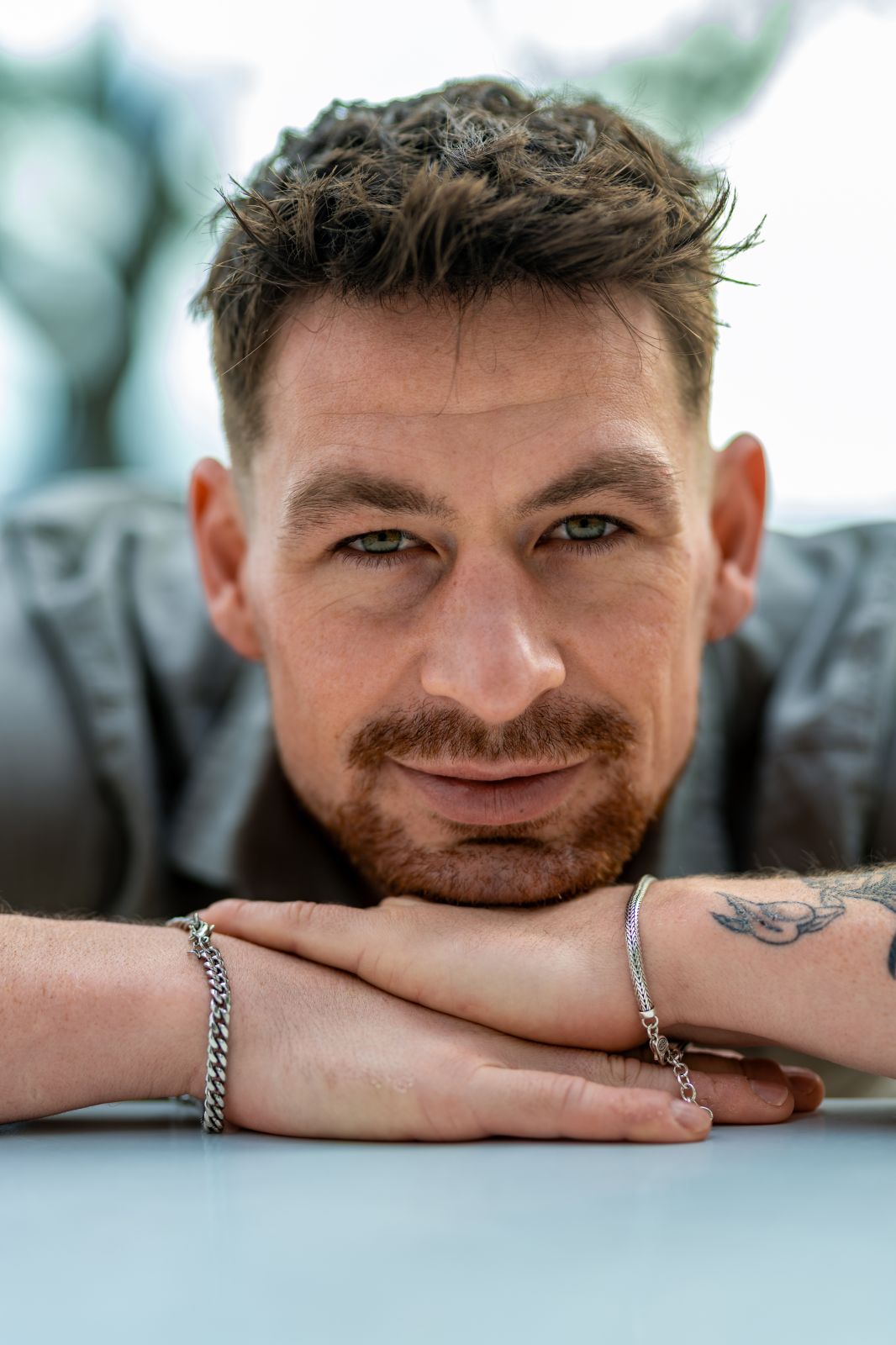
- The portrait. Head and shoulders, clean background, good light, looking at the camera. This is the one that goes on the website's About page, the conference bio, the podcast thumbnail. You need one, and you need it to be recent.
- You at work. Whatever your work looks like – at a desk with real papers, on a call, drawing, cooking, with a client (a friend standing in), in front of a whiteboard. These are the pictures that get used most, because they say what you do without a caption.
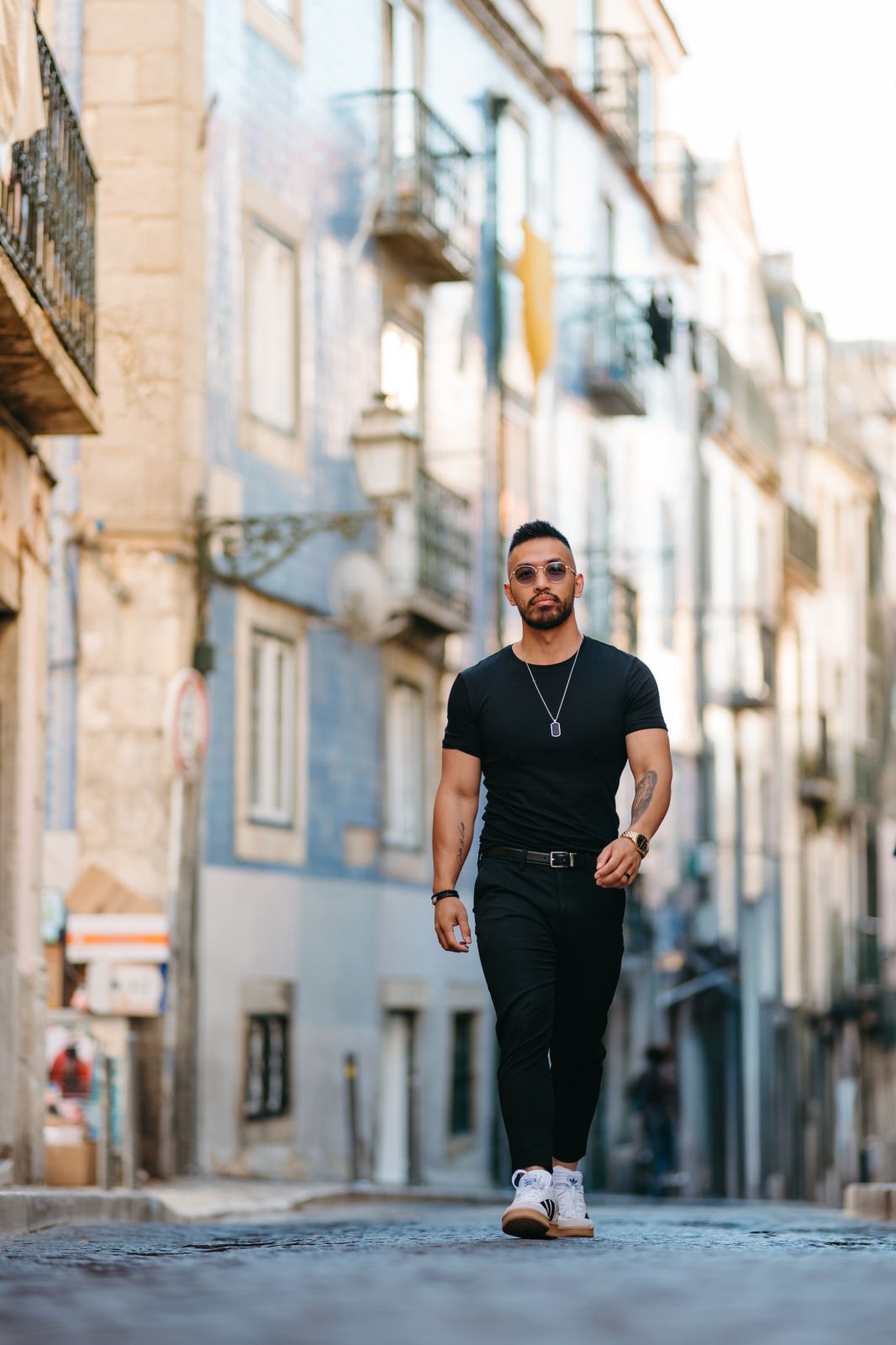
- You in a place. Wider frames where the setting is doing some of the talking: a Lisbon street, a café terrace, the river, your own studio. They give a website and a feed somewhere to breathe, and they say where you are from and what a day with you might look like.
- Details. Hands, tools, a notebook, the coffee, the view from the window. No face at all. These are the pictures you will be grateful for in six months when you need something for a post and are tired of your own head.
A two-hour session in Lisbon typically produces thirty to fifty finished images across those four groups, in the horizontal, vertical and square crops the different platforms want. Enough for a website and half a year of posting without repeating yourself.

Where a session happens
The right place depends on what you do. A brand that is about calm and order wants clean light and quiet backgrounds – an apartment with tall windows, a white-walled café, the wide pavements of the Avenidas Novas. A brand that is about the city wants the city: the tiled façades and steep streets of Alfama and Graça, the viewpoints, a tram, the riverside at Cais do Sodré. A brand that is about craft wants the workplace itself, whatever it is. Most sessions use two locations, sometimes three, and the change of setting is what makes the library feel like it came from more than one afternoon.
I plan the route around the light. In summer that means early morning or the last two hours of the day; in winter the light is usable for longer, and the soft grey days are some of the most flattering there are.
Preparing
Decide what the pictures are for. A website launch, a speaker profile, a year of social content, a book jacket – each of these tilts the session in a different direction, and the more precisely you can say it, the better the set.
Bring two or three outfits, not one. One should look like the version of you that meets clients; one like the version that does the work; a jacket or a change of top is enough to make a second location read as a second day. Solid colours photograph better than fine patterns. Wear the clothes you actually wear.
Bring the tools. The laptop, the camera, the sketchbook, the product, the instrument. The at-work and detail pictures need something in your hands.
Skip the day-of haircut and the new shoes. Both look like what they are. Sleep instead.
How the session runs
We start with the portrait, because it is the picture people are most nervous about and it is better to have it done in the first twenty minutes than to be dreading it for two hours. Then we work: I set you a task – answer an email, make the coffee, walk to the next corner and back – and photograph it, with direction on where to stand and where the light is but not on how to hold your face. Then the wider frames, then the details, usually while you are having a break. I edit for colour and light, not for faces; nobody's skin is retouched into plastic, because the whole point of these pictures is that they look like you.
Using the pictures
Use the portrait everywhere a portrait is asked for, and keep it the same everywhere – the point of a brand photograph is that people recognise you across platforms. Rotate the rest. A website needs the wide frames and the at-work pictures; social feeds eat the details and the verticals. Post the ones where you are doing something more often than the ones where you are looking at the camera; they get talked to. And book the next session before the current set starts to look like a different person – for most people that is every eighteen months to two years.
Booking
A personal branding session is a men's or women's portrait session built around your work rather than your weekend; the format is the same, the brief is different, and it is the first thing we talk about. If your brand is a pair of you – a partnership, a couple who run something together – the couples session is the same idea for two people. Get in touch with what the pictures are for and where you work, and I will come back with a plan for the light and the route.