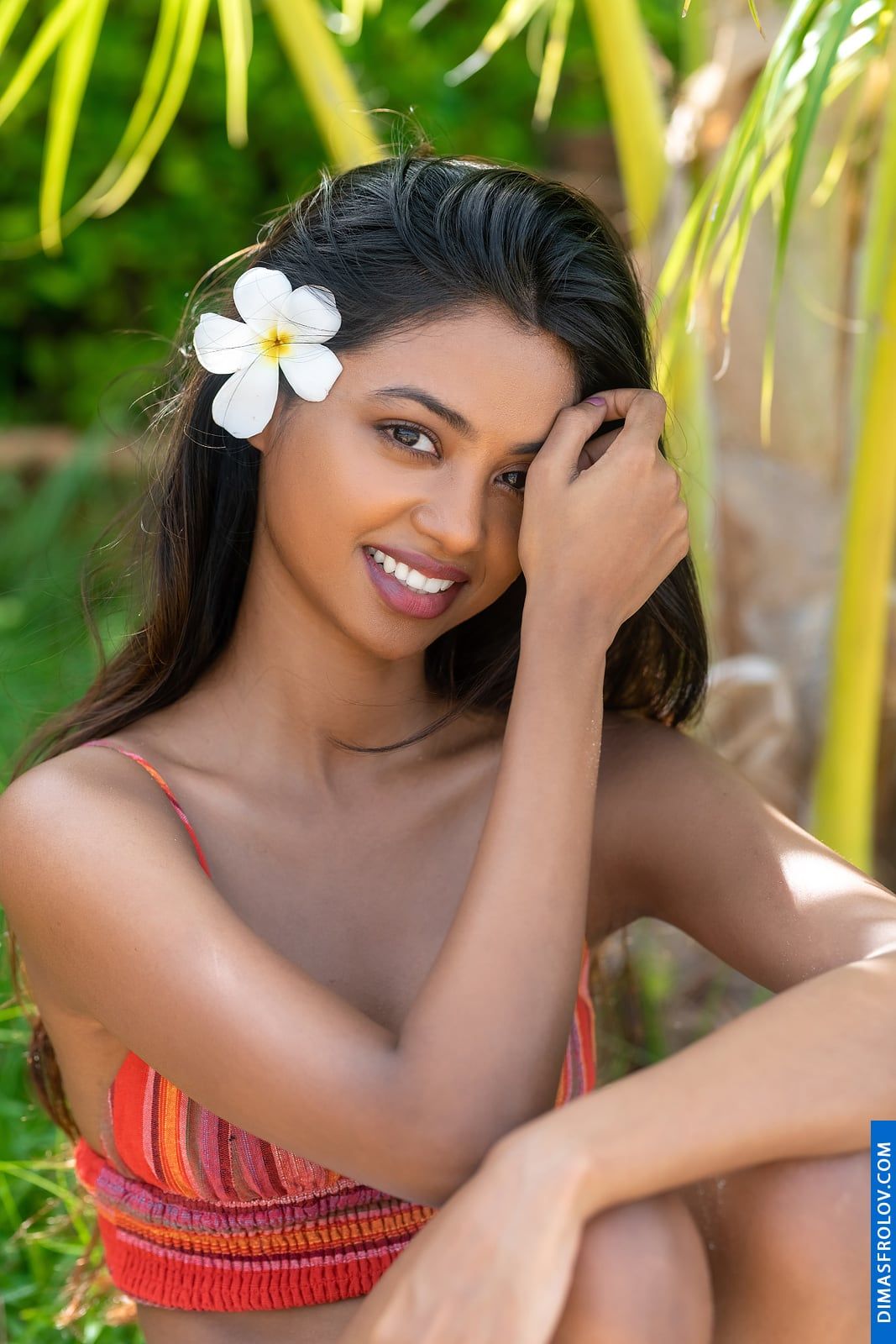
You can receive unedited photos if we discuss and agree on that arrangement before the session begins, but under standard booking conditions, professional photographers do not deliver raw, unfinished files. Editing and color grading represent half of the visual craft, turning raw sensor data into the polished look you see in my portfolio. When you book a session, you are investing in a curated final story, not an unfiltered dump of digital data.
A raw file is an unfinished negative rather than a completed portrait
Modern digital cameras record images in a format called RAW. These files are not standard photos you can quickly open on your phone or send to friends via a messaging app. Instead, they are massive bundles of unprocessed sensor data designed specifically to look flat, desaturated, and muted when viewed without software correction. The camera deliberately leaves the file dull so that the photographer has maximum control over highlight recovery, shadow tones, and color balance during post-production.
When someone asks for unedited files, they often imagine receiving hundreds of ready-to-use pictures that simply lack heavy skin retouching. In reality, opening unedited RAW files reveals muddy greens, washed-out skies, and gray skin tones that look nothing like what our eyes perceived during the shoot. Delivering files in that state would mean delivering a half-built product. Developing that raw information into a cohesive frame with healthy skin tones and balanced contrast is an inseparable part of my work.
[IMAGE_PLACEHOLDER: "A close-up of a photographer's desk with a calibrated monitor displaying two portrait variations, showing the meticulous process of adjusting exposure and color balance with a keyboard and editing console nearby in soft natural morning light"]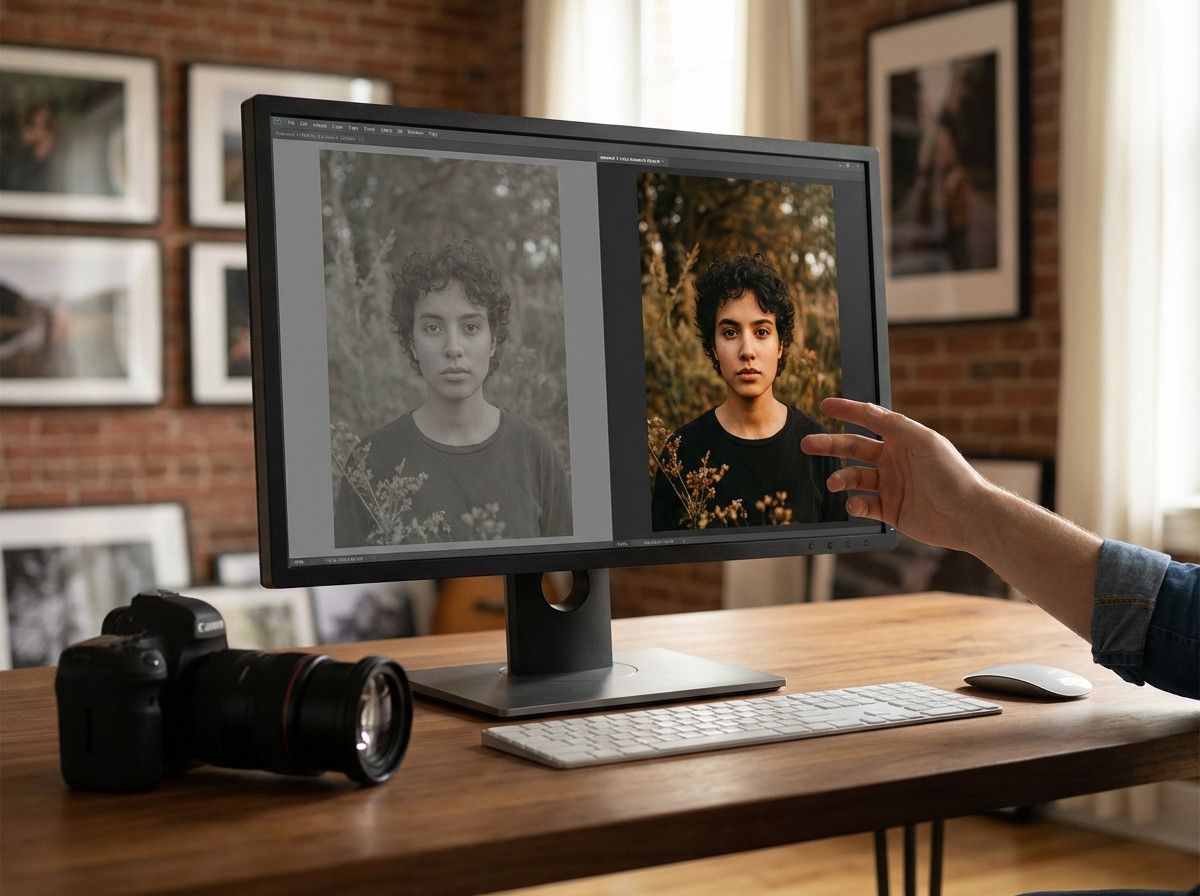
Professional curation filters out the awkward frames you were never meant to keep
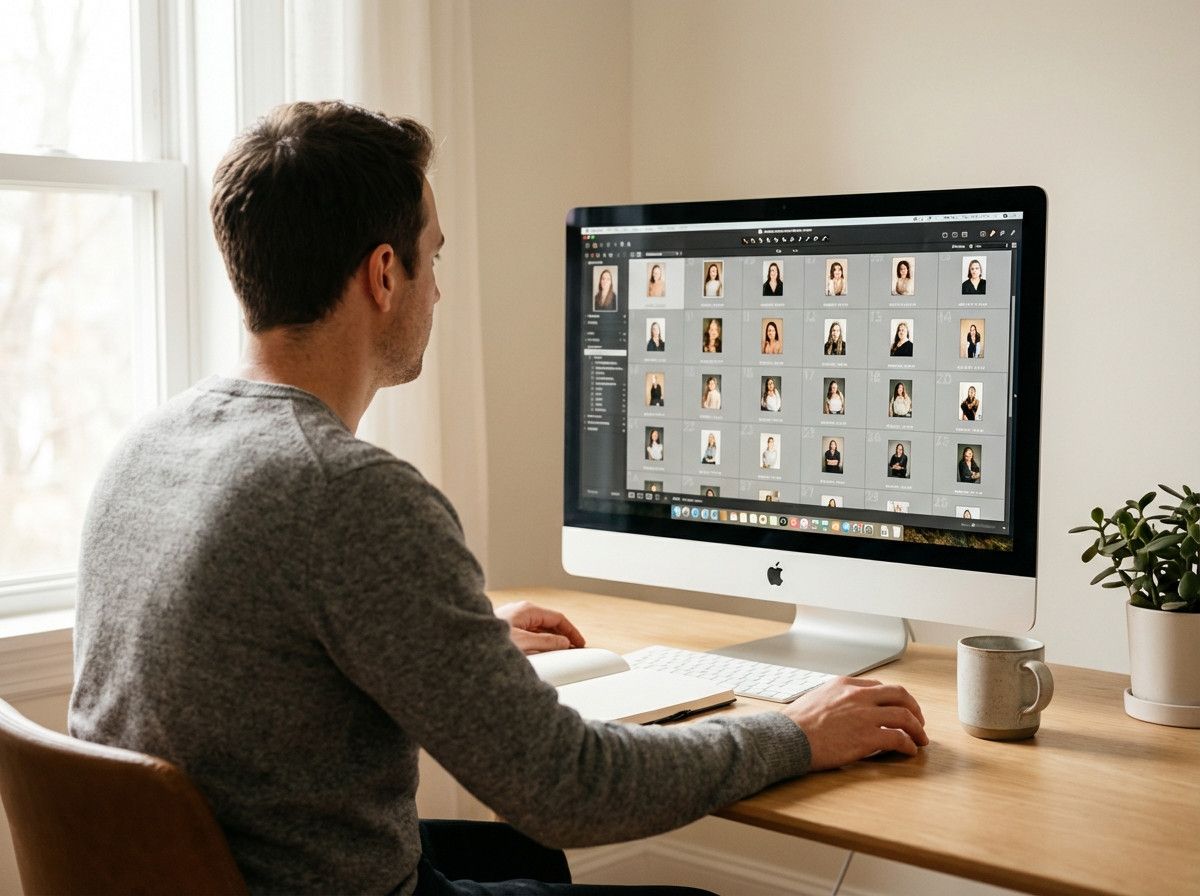
During a typical sixty or ninety-minute session walking through Chiado or along the stone streets of Príncipe Real, I might press the shutter six hundred to eight hundred times. Photography is a fluid process where I shoot continuous micro-sequences to catch the precise millisecond between a forced smile and genuine laughter. That volume is necessary because human expressions change in fractions of a second.
A significant portion of those raw frames will inevitably show closed eyes, mid-sentence mouth shapes, strange muscle tension, or uneven foot placement as you step across the Portuguese pavement. Part of my responsibility during a lifestyle portrait session is to sift through those technical misfires and eliminate everything that does not serve you well. You never have to worry about looking unflattering in the final delivery because those test frames, misfires, and transitional blinks are culled out before anyone else sees them.
Curating is not about hiding mistakes; it is about respecting your time and presenting you in your best light. Handing over every single burst frame dilutes the strength of the truly exceptional moments we captured together.
Unfinished color directly impacts how my work is judged by others
Photographers spend years developing a consistent visual signature, fine-tuning how their cameras render sunlight, fabric textures, and skin tones under different weather conditions. Lisbon has a unique quality of light – warm, highly reflective off white limestone, and often harsh in the afternoon. Balancing that strong light against ambient shadows requires deliberate calibration that cannot be handled by automated camera presets.
When an unedited photo leaves my studio, control over that image disappears. Even if a client understands that the file is raw and unfinished, the friends, family, or colleagues who view that photo on social media or in print will not have that context. They will simply look at an unbalanced, desaturated image and assume it represents my standard of professional craftsmanship. If someone asks who took the photo, my name is attached to an incomplete draft. Protecting that standard of color and tone is the main reason photographers maintain strict boundaries around raw files across the entire industry.
[IMAGE_PLACEHOLDER: "A candid medium shot of a photographer walking along an old European urban street with warm stucco walls, holding a professional camera at waist level while observing natural side light"]Receiving a massive archive usually creates decision fatigue instead of extra value
Clients frequently ask for the full collection because they worry that a favorite expression might get left behind on the cutting room floor. It feels comforting to believe that more files equal more memories. However, the reality of receiving an archive of seven hundred unedited files is almost always overwhelming. Instead of enjoying a refined collection of standout images, you are suddenly tasked with sorting through dozens of nearly identical variations to figure out which one has the sharpest focus.
When you look back at your photos years down the line, you want to immediately reconnect with the atmosphere of that day rather than managing digital storage. My role is to lift that burden off your shoulders entirely. When documenting moments during a session with natural couples portraits, I look specifically for genuine posture, emotional honesty, and harmonious composition. I ensure that every frame delivered has a distinct purpose, a complete color profile, and a reason to exist in your family archive.
Securing unedited files requires an upfront agreement and clear expectations
There are rare instances where a client genuinely requires unedited material, such as when an internal corporate design team needs to apply their own proprietary color grading to business headshots, or when someone with professional color-grading skills wants to handle post-production themselves. In those specific scenarios, we establish terms before the shoot takes place, clear agreements are put in writing, and an adjusted commercial rate is applied to cover the licensing of raw assets.
If you are planning to book an individual or family session through my photography portfolio, the process is designed to be clear and completely stress-free. You do not need to worry about missing out on the best shots because I review every single frame taken during our time together. The final gallery you receive contains the strongest, most expressive versions of our work together, fully realized and ready to be printed, shared, and enjoyed for decades to come.